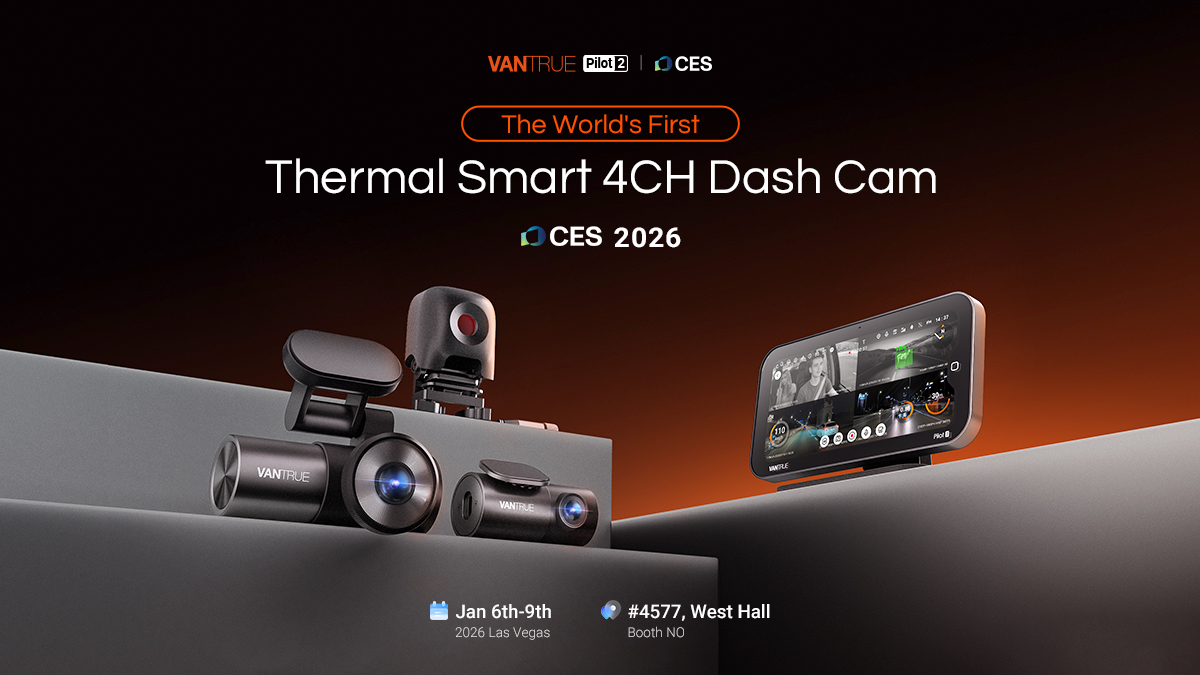
Vantrue introduced the Pilot 2 at CES 2026, a four-channel professional-grade dash cam that pairs a Sony STARVIS 2 1440p front sensor, a 1080p cabin camera, a 1440p rear camera and a separate thermal-imaging night-vision module capable of detecting humans, animals or objects up to 200 feet; it also includes a 6.25-inch touchscreen with Apple CarPlay and Android Auto. The unit is launching on Kickstarter at $450 with a planned $600 retail price in 2026, and its thermal-sensing differentiation and retrofit head-unit functionality could create a premium aftermarket safety niche for Vantrue and modest revenue upside if adoption scales, though the product release is unlikely to move broader markets.
Market structure: Winners are image-sensor and thermal-module suppliers (directly SONY for STARVIS 2 and thermal suppliers such as Teledyne/FLIR) and aftermarket integrators that can upsell CarPlay/Android Auto; losers are low-margin generic dash‑cam brands and incumbents that lack thermal capability. If commercial fleets adopt thermal-equipped 4‑channel units at even 1–2% US fleet penetration (~3–6M vehicles) over 1–3 years, incremental sensor demand could amount to low single‑digit percentage lifts to Sony’s image‑sensor revenue, supporting pricing power for premium sensors.
Risk assessment: Tail risks include regulatory/privacy actions or liability from false positives leading to recalls (low probability, high impact), and thermal/sensor supply bottlenecks that could delay scale. Time horizons: immediate (0–3 months) = product hype and Kickstarter validation; short term (3–12 months) = retail rollouts and pilot fleet deals; long term (12–36 months) = meaningful fleet penetration and component demand re‑rating. Hidden dependencies include insurance acceptance and certification standards — lack of these stalls fleet adoption.
Trade implications: Direct play is selective long exposure to SONY (NY:SONY) for sensor upside and TDY for thermal modules; use size discipline (1–2% equity exposure SONY, 0.5–1% via TDY call spreads) and targets over 6–18 months. Avoid large consumer‑electronics longs until retail sell‑through data; consider small short or options protection on incumbents (e.g., GARMIN) if early fleet wins are announced by competitors.
Contrarian angles: Consensus overvalues Vantrue’s brand impact and undervalues component winners — the durable profits accrue to sensor suppliers, not branded dash‑cam makers; adoption will be lumpy and concentrated in commercial fleets, not broad retail. Historical parallel: early ADAS sensor demand spikes that rewarded component suppliers first; unintended consequences include increased warranty/insurance scrutiny that could reverse consumer enthusiasm and compress margins for small OEMs.
AI-powered research, real-time alerts, and portfolio analytics for institutional investors.
Request DemoOverall Sentiment
mildly positive
Sentiment Score
0.25
Ticker Sentiment
