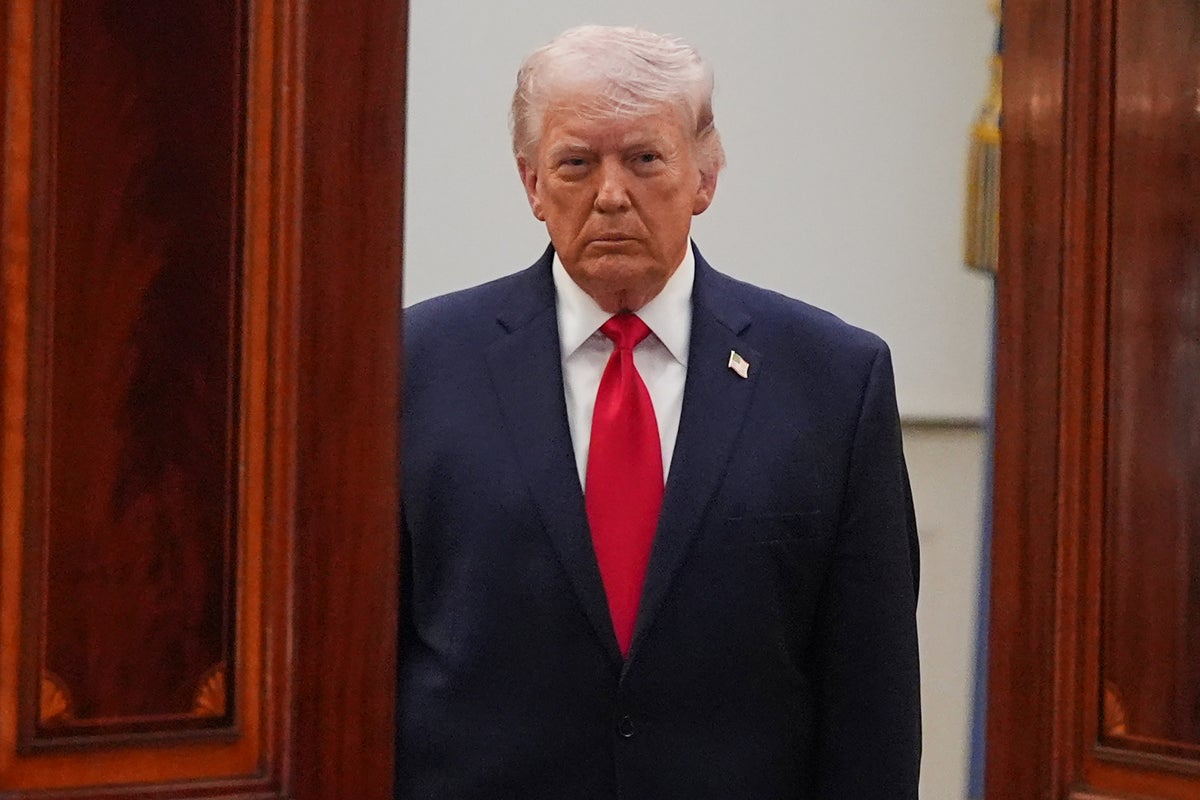
Key event: President Trump issued an ultimatum for Iran to reopen the Strait of Hormuz by Tuesday 8pm Washington time, threatening to 'take out' Iranian infrastructure. Iran rejected a 45-day ceasefire and airstrikes persist, while the UN Security Council will vote on a resolution to protect shipping; the UK and regional militaries are coordinating and Saudi Arabia reported intercepting Iranian missiles/drones. The blockade and heightened military rhetoric create a major supply risk for global oil and gas flows through the Hormuz chokepoint and are likely to drive risk-off flows and elevated oil-price volatility.
The immediate market lever is insurance, transit times and tanker availability — not just barrels. A Strait closure mechanically re-routes ~20-25% of seaborne crude flows around Africa, adding ~7-10 days voyage time for VLCCs and pushing spot tanker rates and insurance premiums materially higher; that amplifies delivered crude costs beyond headline Brent moves and creates a transient scarcity in prompt refined middle distillates in Europe/Asia within 2–6 weeks.
Defense and security services are clear 3–12 month beneficiaries as governments accelerate naval escorts and regional basing — procurement cycles (spare parts, munitions, ISR services) that looked like 12–24 month projects can be pulled into months, favoring large prime contractors with spare capacity and existing naval programmes. Conversely, logistics-dependent sectors (container shipping, airlines, seasonal exporters) will see margin pressure from both higher fuel and longer lead times; trade elasticity suggests demand destruction could emerge only after 8–12 weeks if disruptions persist.
Tail risks are asymmetric and front-loaded: kinetic escalation that damages ports or chokepoints can spike freight & oil volatility within days, whereas diplomatic backchannels or an international naval protection initiative (vote/timing measured in days-weeks) can restore flows within 2–6 weeks and compress risk premia. A sensible stress test: a 10–15% prompt premium on Brent for 30–45 days vs a 3–6% permanent structural increase if sanctions/supply damage is prolonged beyond 3 months.
Consensus is pricing a binary: immediate severe disruption or quick diplomatic relief. The market under-weights the speed at which tanker owners and charter markets re-price (benefitting owners) and over-weights sustained upstream supply loss — US shale and floating storage can mute a 1–3 month shock. That makes time-limited, convex trades (options spreads and asset-owning equities with leverage to freight rates) preferable to outright long commodity futures exposure.
AI-powered research, real-time alerts, and portfolio analytics for institutional investors.
Request DemoOverall Sentiment
strongly negative
Sentiment Score
-0.85
