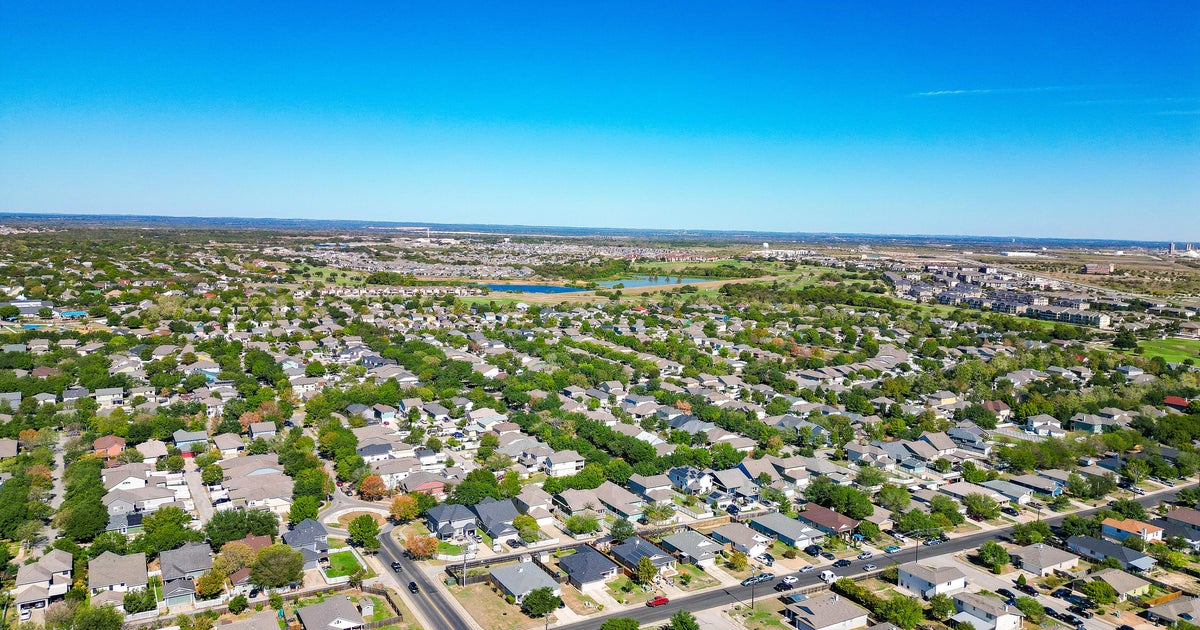
The U.S. housing market is exhibiting significant regional divergence in 2025, with price trends dictated by localized supply-demand dynamics. According to Realtor.com, the South and West are experiencing price declines, exemplified by Austin's nearly 15% and Miami's 19% drops over three years, driven by increased inventory and easier construction. Conversely, the Northeast and Midwest face persistent "sticky high" prices and tight inventory, with New York and Milwaukee seeing 16% and 26% increases since 2022, respectively, due to supply shortages and stricter building regulations, creating a bifurcated market for investors.
The U.S. housing market in 2025 is characterized by a significant regional divergence, moving away from a monolithic national trend. According to a Realtor.com report, this bifurcation is primarily driven by localized supply and demand dynamics. Markets in the South and West are experiencing price corrections due to increased inventory; for instance, median listing prices in Miami and Austin have fallen approximately 19% and 15%, respectively, over the last three years. This supply increase is attributed to a pandemic-era construction boom, facilitated by more lenient building regulations, and homes remaining on the market longer. Conversely, the Northeast and Midwest exhibit persistent price strength and tight inventory. New York has seen prices climb roughly 16% since 2022, while Milwaukee has surged 26%. This is a direct result of severe supply constraints, with active listings in the Northeast and Midwest remaining 50% and 40% below pre-pandemic levels, respectively, exacerbated by stricter zoning laws that impede new construction. Even in Northeast cities with minor recent price dips, such as Boston and Philadelphia, median prices remain over 10% above their 2022 levels, underscoring the fundamental supply shortage.
AI-powered research, real-time alerts, and portfolio analytics for institutional investors.
Overall Sentiment
mixed
Sentiment Score
-0.05
Ticker Sentiment
