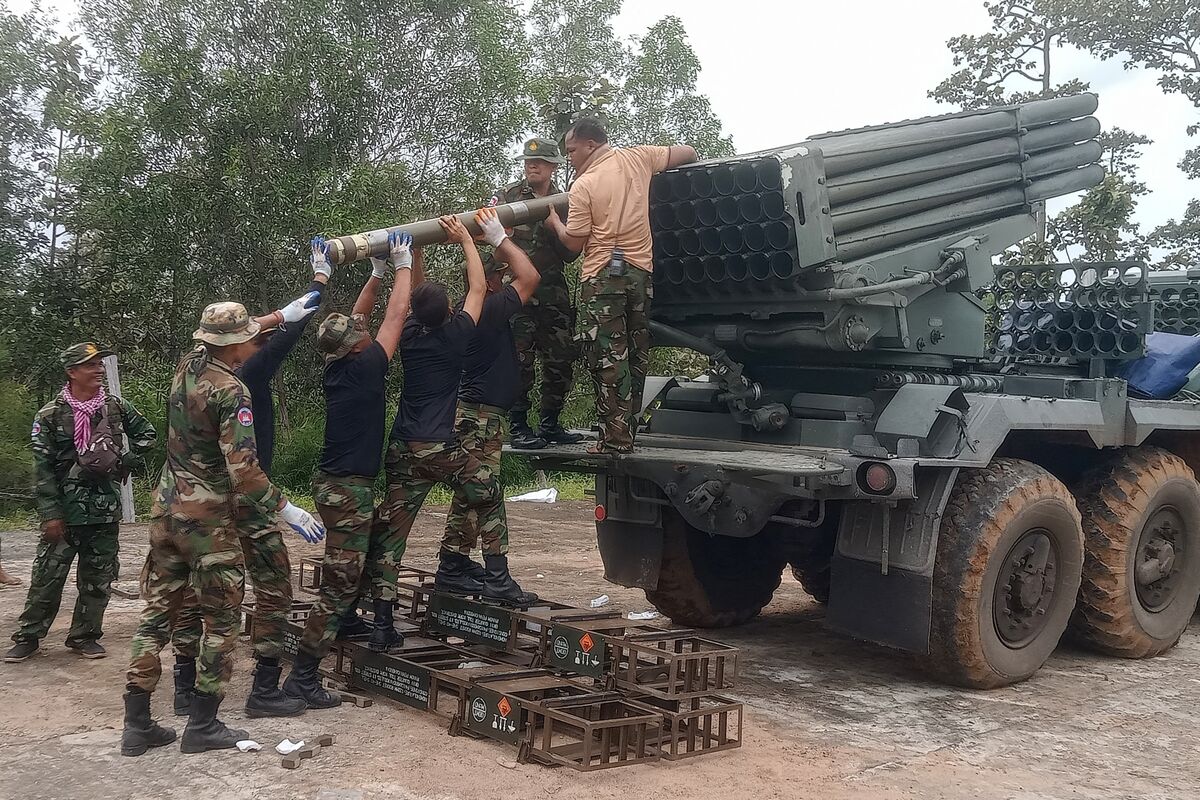
The armed conflict between Thailand and Cambodia currently presents limited risks to most business sectors, with tourism experts adopting a wait-and-see approach. Despite Thailand's warning of potential escalation and a U.S. call for a ceasefire, the clashes are confined to border regions, well removed from major tourist destinations like Bangkok and Phuket, thus containing immediate broader economic impact.
The armed military conflict between Thailand and Cambodia currently poses a limited and localized economic threat. Clashes are confined to border regions, significantly distant from key economic and tourist centers such as Bangkok and Phuket, thereby containing immediate risks to broad business sectors and trade flows. The tourism industry, a critical component of the regional economy, has adopted a cautious 'wait-and-see' approach, reflecting the current lack of direct impact on popular destinations. However, a significant forward-looking risk exists, underscored by Thailand's warning of a potential 'all-out war' and a U.S. call for a ceasefire. This introduces a notable geopolitical tail risk, where any escalation or geographic expansion of the conflict would fundamentally increase its market and economic significance beyond the current low-impact assessment.
AI-powered research, real-time alerts, and portfolio analytics for institutional investors.
Request DemoOverall Sentiment
mildly negative
Sentiment Score
-0.30
