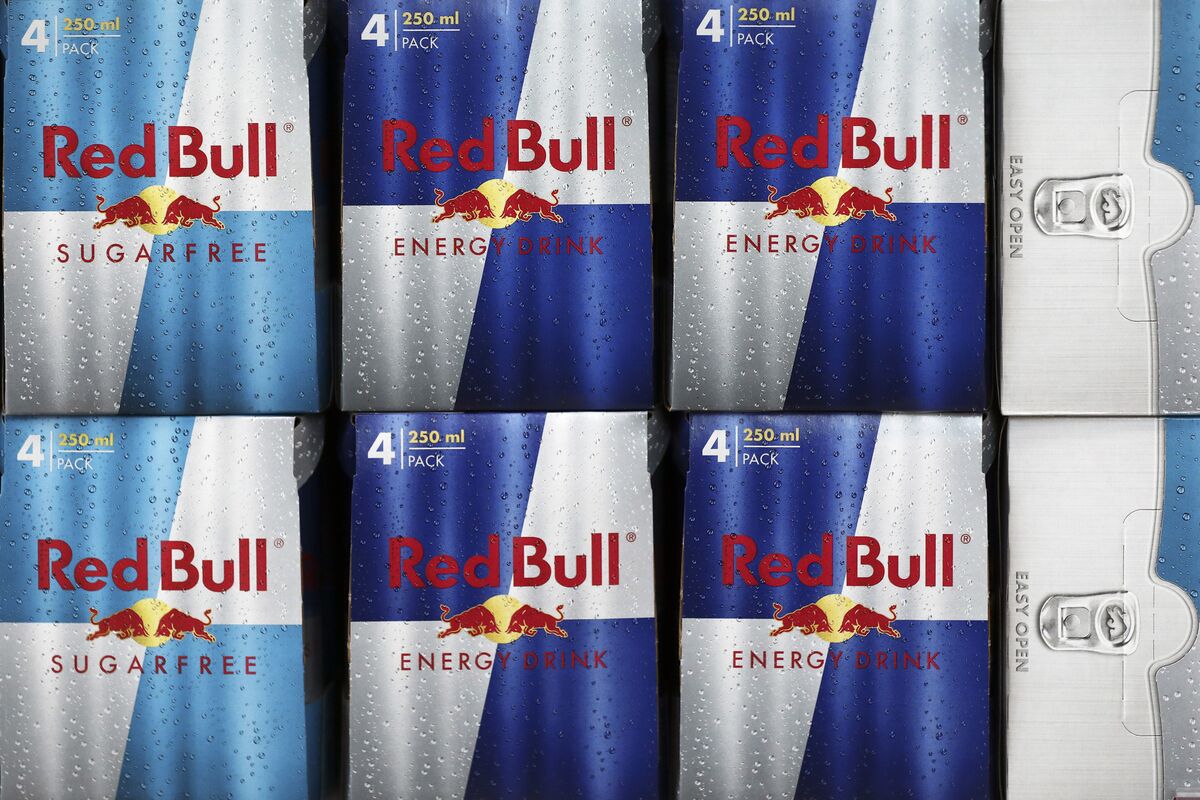
Red Bull GmbH paid its highest dividend in three years, distributing €648 million to each of its 49% shareholders, Mark Mateschitz and the Yoovidhya family, despite the company reporting lower annual profit. The substantial payout included a €500 million one-time distribution from retained earnings, effectively propping up shareholder wealth amidst declining profitability.
Red Bull GmbH has executed its largest dividend distribution in three years, paying €648 million to each of its 49% shareholders, Mark Mateschitz and the Yoovidhya family. This substantial capital return is particularly notable as it occurs against a backdrop of declining annual profit for the energy-drink maker. The payout was significantly augmented by a €500 million one-time distribution sourced from the company's retained earnings, a move that directly props up shareholder wealth. This action indicates a strategic decision to prioritize shareholder liquidity and cash extraction over retaining capital for reinvestment or as a buffer, which is a critical signal regarding the private firm's capital allocation philosophy, especially during a period of weakening performance.
AI-powered research, real-time alerts, and portfolio analytics for institutional investors.
Request DemoOverall Sentiment
mixed
Sentiment Score
-0.10
