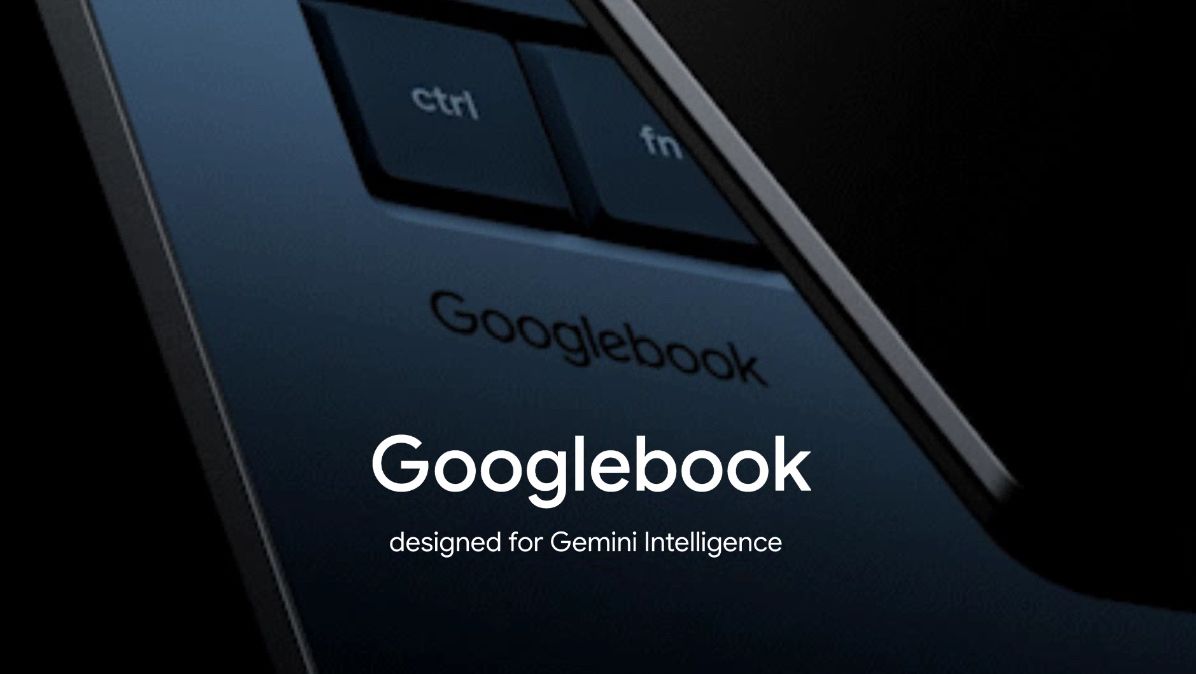
Google confirmed that its AI-powered Magic Pointer feature is rolling out to Chrome on desktop, including Windows PCs and Macs, expanding beyond the new Googlebook laptops. The feature lets users point at on-screen content and ask Gemini to act on that context, such as comparing products or visualizing furniture placement. Rollout regions and eligibility remain unspecified, and Google has not yet confirmed whether access will be limited by subscription tiers.
This is less a product launch than a distribution event: Google is turning Chrome into the default surface for Gemini-mediated action-taking, which is strategically more important than any single feature. The second-order winner is search monetization, because pointer-based intent capture can raise ad relevance and conversion rates without forcing users into explicit prompts; that improves the quality of commercial signals across the browser funnel. The feature also nudges Chrome further into an operating-system layer, which is a subtle but meaningful defense against the browser becoming a commodity UI.
For hardware, the read-through is negative for any premium device thesis built on exclusive AI UX. If the same interaction model lands on Windows and Mac quickly, the willingness to pay for a Google-specific laptop shrinks unless there is a sustained advantage in latency, offline capability, or enterprise manageability. That raises the bar for Googlebook adoption and suggests the near-term monetization locus is software attach and subscription tiers, not device margin.
The key risk is that this remains a novelty layer unless usage becomes habitual. Adoption can disappoint if the feature is gated by region, language, or paid plans, and the churn from “cool demo” to daily workflow may take quarters rather than weeks. On the other hand, if Google uses this as a wedge to normalize contextual AI across browsing, it becomes a multi-year share gain story for Gemini versus standalone copilots and assistant apps.
Consensus may be underestimating how defensive this is for Google, not just how incremental it looks. By embedding AI directly into Chrome, Google is defending attention share at the point of intent and reducing the odds that third-party AI assistants become the front door to commerce and web navigation. The market may still be focused on product optics, but the durable value is in increasing the frequency of monetizable interactions inside Google’s own browser ecosystem.
AI-powered research, real-time alerts, and portfolio analytics for institutional investors.
Request DemoOverall Sentiment
neutral
Sentiment Score
0.15
Ticker Sentiment
