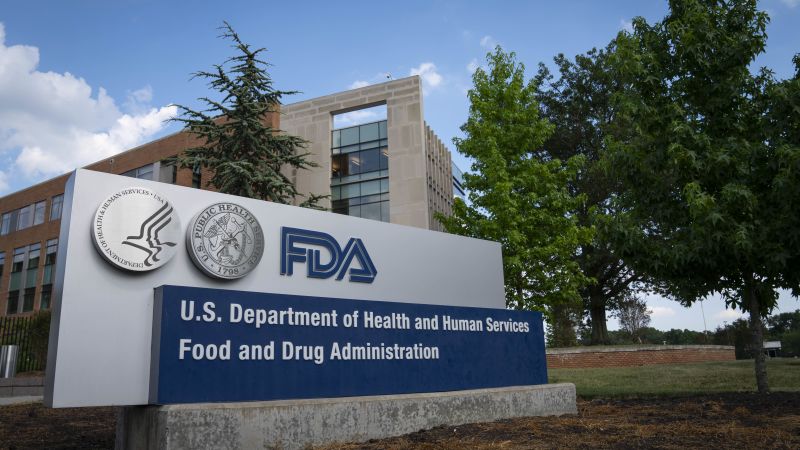
Roche Diagnostics, in collaboration with Eli Lilly, secured FDA clearance for its Elecsys pTau181 blood test, designed to help primary care physicians rule out Alzheimer's disease in adults 55 and older experiencing cognitive decline. This marks the second blood-based Alzheimer's biomarker test cleared this year, expanding diagnostic accessibility and potentially streamlining patient referrals for further evaluation. While the test boasts a high negative predictive value, experts emphasize it serves as an initial screening tool, not a standalone diagnostic, and highlights the early stages of a broader shift towards more accessible Alzheimer's diagnostics.
Roche Diagnostics, in collaboration with Eli Lilly (LLY), has secured FDA clearance for its Elecsys pTau181 blood test, designed to help primary care physicians rule out Alzheimer's disease in adults aged 55 and older exhibiting cognitive decline. This is the second blood-based biomarker test cleared this year, significantly expanding diagnostic accessibility and potentially streamlining patient referrals. The test boasts a high negative predictive value of 97.9%, indicating strong reliability in identifying individuals without Alzheimer's pathology.
Despite its high negative predictive value, the Elecsys pTau181 test is explicitly positioned as a screening tool to rule out amyloid plaques, not a standalone diagnostic. Experts caution that positive results necessitate further confirmatory testing and advocate for a panel of tests rather than relying on a single biomarker for comprehensive diagnosis and disease staging. This cautious approach underscores the nascent stage of blood-based Alzheimer's diagnostics.
Roche's existing infrastructure of approximately 4,500 instruments in U.S. clinical laboratories positions it well for rapid integration and broad market penetration. While the clearance represents a significant technological advancement for early detection accessibility, the overall market for blood-based Alzheimer's diagnostics is still in its "first inning," suggesting substantial future development and regulatory activity.
AI-powered research, real-time alerts, and portfolio analytics for institutional investors.
Overall Sentiment
moderately positive
Sentiment Score
0.45
Ticker Sentiment
