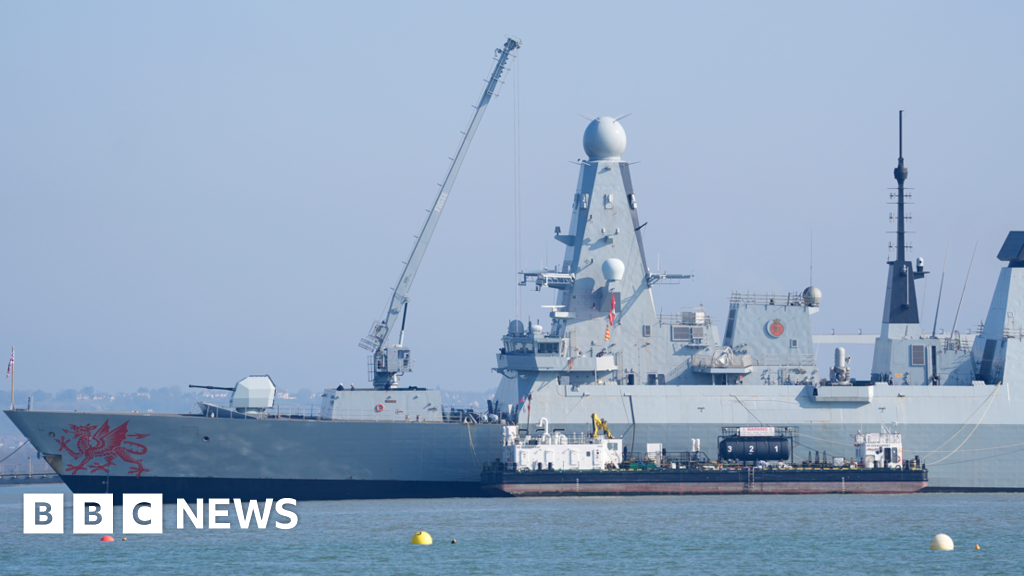
The UK will add drones, fighter jets, and a warship to a multinational mission to protect shipping in the Strait of Hormuz, backed by £115m in new funding. The initiative is aimed at reopening the waterway, which carries about 20% of global oil and LNG flows, after months of disruption and a US-Iran standoff. The article points to elevated geopolitical risk and a potentially market-wide impact on energy prices and global shipping.
The market implication is less about the nominal UK military contribution and more about the probability distribution shift for marine insurance, freight rates, and inventory management. Even a modest increase in perceived transit risk can reprice tanker and LNG charter markets within days, while downstream effects on European refiners and Asian importers tend to show up over 2-6 weeks as spot cargoes get delayed or rerouted. The key second-order winner is not necessarily defense primes, but firms with optionality on higher strategic stockpiling, alternative routing, and energy security spending.
The asymmetric tail risk is a brief but real interruption to Hormuz flows that forces a nonlinear response in oil, LNG, and shipping equities before any physical shortage is obvious. Because roughly one-fifth of seaborne oil and LNG transits the strait, the market will likely price the headline risk multiple times faster than the physical constraint, meaning the first move can overshoot even if the corridor remains technically open. That creates a tactical setup in energy volatility rather than a simple directional crude call: implied vol should remain bid until there is either a credible de-escalation mechanism or a sustained drop in incident frequency.
The contrarian view is that this may be more of a defense-industrial and political signaling event than a durable supply shock. If the mission improves convoy confidence, the market could quickly fade the premium on crude and freight while the more persistent beneficiary becomes the UK/European defense procurement cycle, particularly autonomous mine-hunting and counter-drone systems. However, the bigger unresolved issue is whether both sides view the strait as leverage rather than a battlefield; if so, episodic disruptions could continue for months even without a full blockade, keeping a risk premium embedded in energy and shipping assets.
Domestic politics in the UK adds a secondary layer: leadership stress tends to reduce policy bandwidth, which can delay fiscal clarity but also increases the incentive to project competence abroad. That usually supports defense spending narratives while leaving rate-sensitive UK cyclicals vulnerable if higher fuel costs bleed into consumer inflation expectations. The highest conviction trade is therefore not on UK beta broadly, but on specific beneficiaries of persistent geopolitical insurance demand.
AI-powered research, real-time alerts, and portfolio analytics for institutional investors.
Request DemoOverall Sentiment
moderately negative
Sentiment Score
-0.35
Ticker Sentiment
