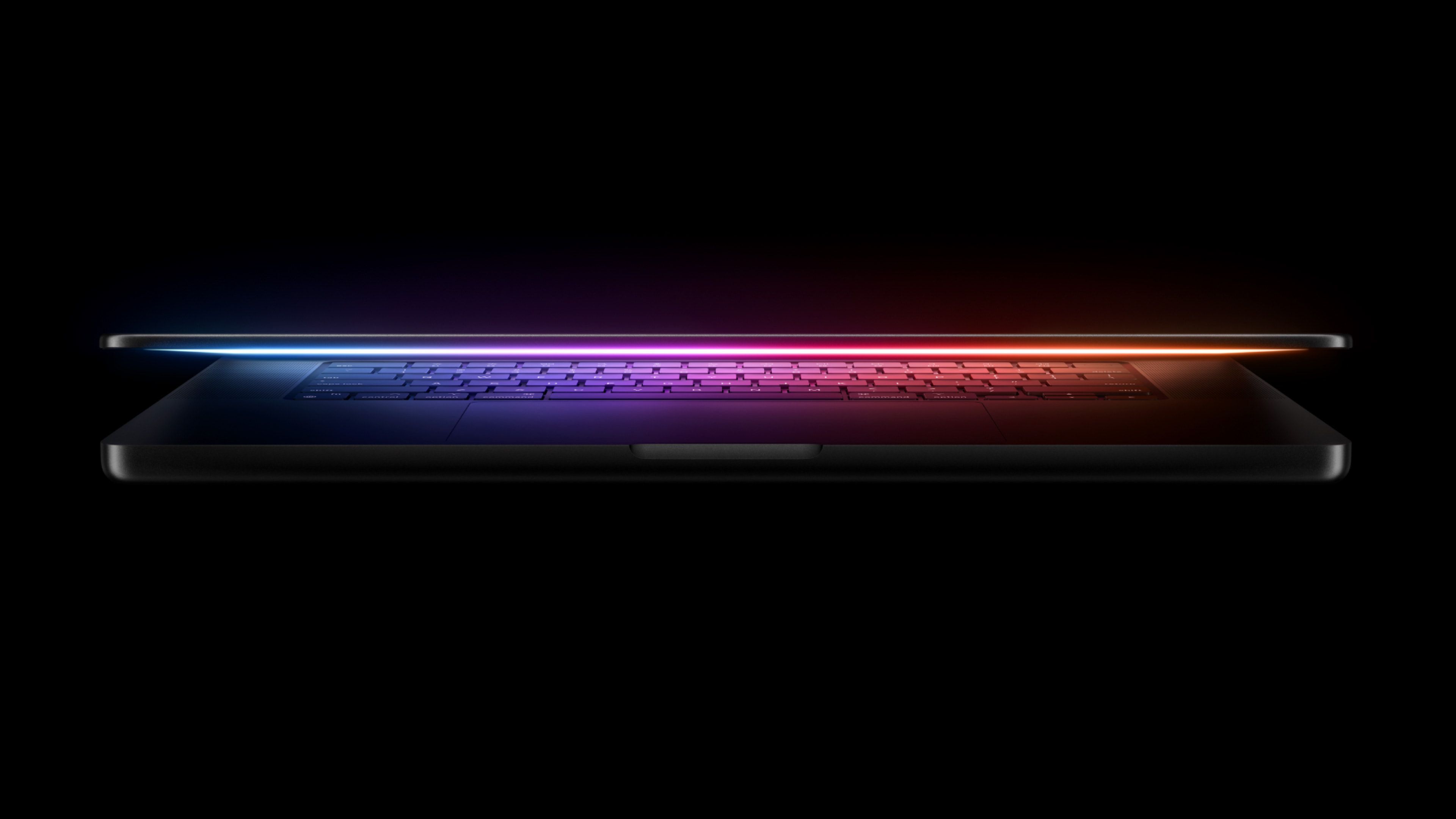
Apple is developing a touchscreen OLED MacBook Pro for launch toward the end of 2026 that integrates iPhone features such as Dynamic Island and a hole‑punch camera, and will come in 14‑inch and 16‑inch OLED models. The OLED machines are expected to use M6 Pro and M6 Max chips built on a new 2‑nanometer process, while Apple plans an interim M5 Pro/M5 Max refresh in spring 2026, implying two MacBook Pro refresh cycles next year and signaling a strategic move to add touch capabilities without removing the keyboard or trackpad.
Market structure: Apple’s pivot to OLED touchscreen MacBook Pros (launch targeted end-2026) increases demand for high-end displays, OLED materials, and advanced foundry capacity, concentrating upside to AAPL, TSM (TSMC) and OLED-material suppliers (e.g., OLED). Premium laptop OEMs (DELL, HPQ) face incremental share pressure at the >$1,500 segment; component suppliers that cannot meet flexible OLED specs or 2nm timelines are losers. Expect ASP lift potential of $100–300 per unit if Apple charges a premium, supporting gross margin resilience if supply is available.
Risk assessment: Key tail risks are geopolitical (Taiwan/China escalation disrupting TSMC), OLED supply shortages or yield problems at 2nm, and weaker-than-expected consumer uptake of touch-Mac (recall Touch Bar failure). Immediate (days–weeks) risks center on event-driven sentiment (Mar 2–4 announcements); short-term (months) depends on M5 refresh reception; long-term (2026–27) depends on 2nm yields and OLED ramp rates. Watch supplier shipment guidance, TSMC 2nm yield metrics, and China demand trends as second-order signals.
Trade implications: Favor concentrated exposure to AAPL and TSMC and material suppliers with 12–24 month horizons, using LEAPs or call spreads to monetize product-cycle optionality around end-2026. Implement relative-value via long AAPL / short DELL (or HPQ) to isolate premiumization gains; hedge geopolitical tail with VIX or long-dated Taiwan/semicap directional hedges. Size positions modestly (1–3% each) and trim on +15–25% absolute moves or negative supplier guidance.
Contrarian angles: Consensus assumes smooth premium adoption; downside is underappreciated: higher BOM from OLED + 2nm could compress margins if Apple doesn’t realize price premium, and consumer resistance to touch on Mac could mirror Touch Bar’s rejection. Historical parallel: ancillary hardware features can be reversed quickly; mispricing is likely in smaller suppliers that will either miss ramp or spike on hype. The best opportunities are disciplined plays around verified supplier wins and TSMC yield confirmation.
AI-powered research, real-time alerts, and portfolio analytics for institutional investors.
Request DemoOverall Sentiment
mildly positive
Sentiment Score
0.35
Ticker Sentiment
