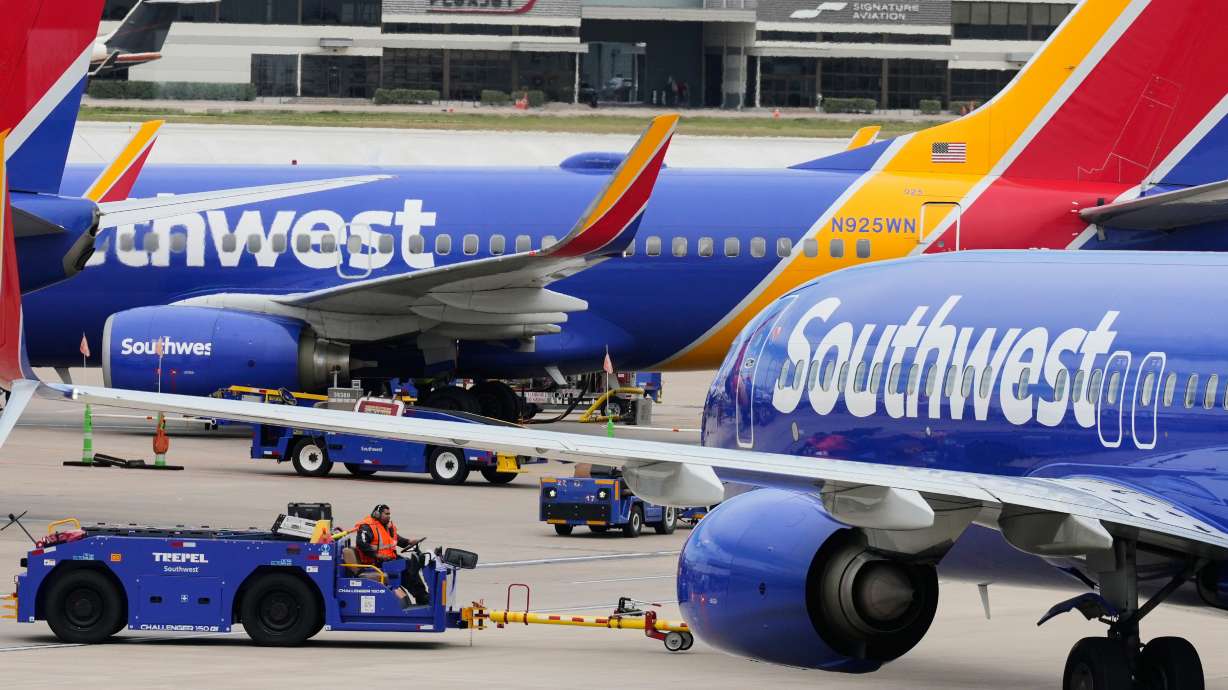
Southwest will limit passengers to one portable charger per flight starting April 20 and will prohibit chargers in overhead bins and checked luggage; the airline plans to equip all planes with in-seat power by mid-next year to support the policy. The policy goes beyond ICAO's two-charger recommendation and follows rising lithium-battery incidents (FAA reported 97 incidents in 2025; UL reported a 42% increase in portable-charger incidents in 2025). Southwest says enforcement will focus on passenger communication rather than bag searches. The change is safety-driven and could slightly affect passenger experience and require incremental capex to install in-seat power.
Southwest’s move accelerates a two-step structural effect: a near-term behavior/communications play that raises passenger awareness and a medium-term hardware spend cycle as airlines retrofit cabins with reliable power. The immediate PR and product-differentiation value accrues to carriers who can advertise safer, more convenient onboard charging — this is a subtle brand moat for price-insensitive flyers and business travelers that can be monetized via ancillaries (paid power, loyalty messaging) once installed.
Supply-chain beneficiaries are niche avionics suppliers (in-seat power and circuit integration) and certification/test houses; orders are lumpy and visible months before cashflow. Conversely, the consumer portable-charger ecosystem (offline retailers and uncertified brands) faces demand compression and higher compliance costs, but enforcement laxity means revenue displacement will be gradual rather than immediate.
Big tail risk is regulatory escalation after a high-profile incident: that would flip this from voluntary mitigation to mandatory hardware/inspection regimes, imposing multi-year retrofit costs across fleets and creating winners among certified suppliers. Watch for two near-term catalysts — airline retrofit disclosure cycles over the next 6–12 months and any FAA/ICAO rule proposals; either could reprice equites within weeks if they tighten inspection/enforcement standards.
AI-powered research, real-time alerts, and portfolio analytics for institutional investors.
Overall Sentiment
neutral
Sentiment Score
0.00
Ticker Sentiment
