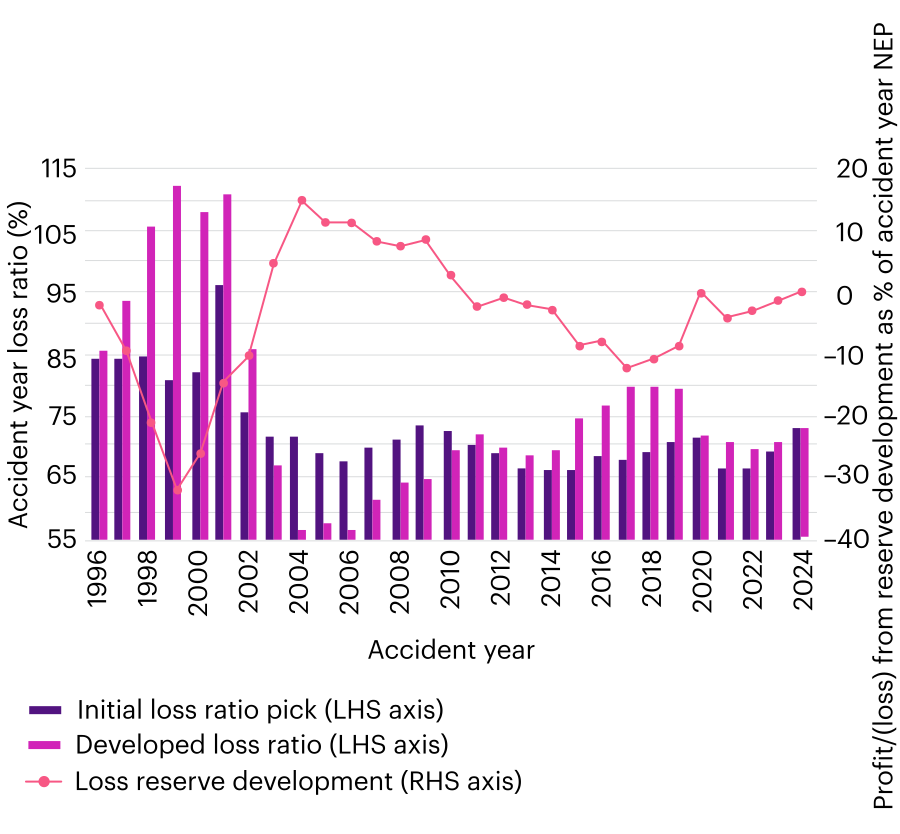
Ategrity (ASIC) raised $113m in its June 12, 2025 IPO at $17 (first-day high $23.65, current ~ $18) and has rapidly reallocated its book toward casualty (now ~2/3 of premiums, >50% YoY growth) versus ~1/3 property. YTD premiums rose 34% while loss expenses rose 18% and underwriting expenses 14%, driving a combined ratio improvement from 94.5% to 89.4% and EPS from $0.71 to $1.06; booked casualty loss ratio is 60% versus a ~72% market average. Management cites conservative reserving and strong submission flow (+70% YoY), and the stock trades at a 12.6x forward P/E versus peers ~16x, but the author warns rapid growth and limited disclosures could mask future loss emergence and rates the stock a Hold.
Market structure: Rapid casualty expansion by a small-cap underwriter reallocates capacity into a less cyclical but litigious line, pressuring specialty brokers and incumbent casualty writers' pricing in niches where Ategrity competes. Expect premium rate tension in targeted segments over 3–12 months as excess capacity meets strong submission flow; this favors buyers (corporates) and corporate bond issuers while compressing returns for less-efficient carriers.
Risk assessment: Key tail risks are a reserve deterioration shock (a 5–10 percentage-point adverse move in loss ratio) or a major jury verdict that consumes >15–20% of excess capital — both could flip profitability and force capital raises. Near-term (days–weeks) volatility will track disclosure and earnings cadence; medium-term (1–4 quarters) hinge on reserve development and reinsurance renewals; long-term depends on sustained casualty loss trends and regulatory scrutiny.
Trade implications: Size positions small and conditional: reward sustained underwriting outperformance but hedge tail risk. Use relative-value to express conviction rather than outright market direction; options can asymmetrically protect against reserve surprises while selling premium into post-earnings vol spikes. Rotate away from catastrophe/reinsurance equities into short-duration credit if capital volatility rises.
Contrarian angles: Consensus underweights the probability that disciplined reserving masks escalating frequency/severity in certain casualty lines; conversely the market may be over-penalizing growth, creating a tactical mispricing if two consecutive quarters show reserve stability. Historical parallels (specialty writers that grew fast then reserved up 12–24 months later) argue for cautious sizing and objective, trigger-based scaling rather than buy-and-hold.
AI-powered research, real-time alerts, and portfolio analytics for institutional investors.
Request DemoOverall Sentiment
neutral
Sentiment Score
-0.15
