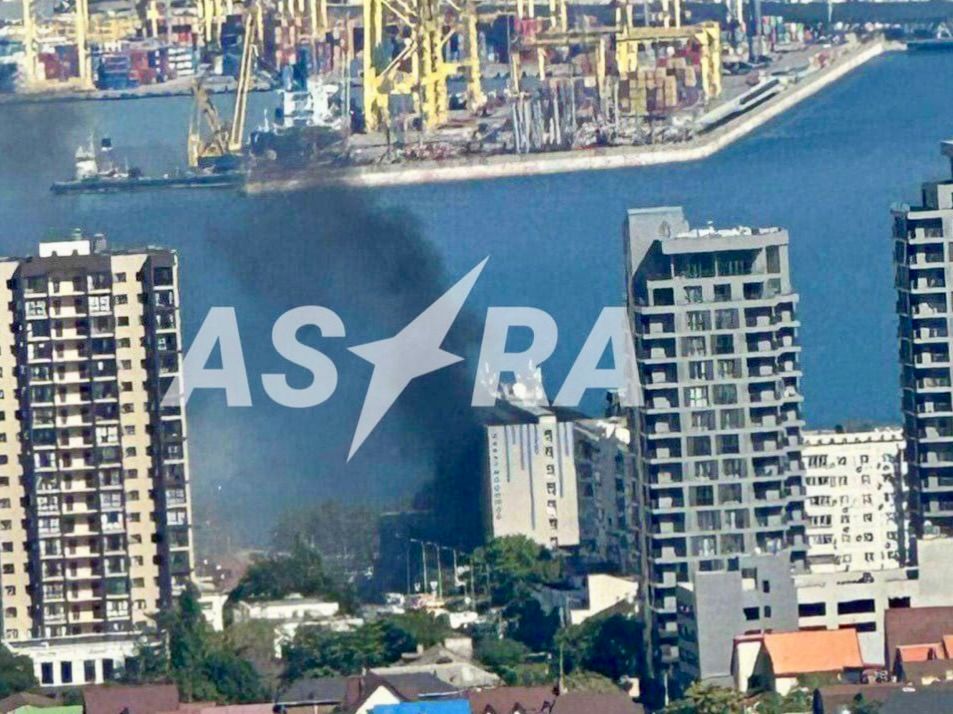
Ukrainian naval drones struck key Russian oil terminals in Tuapse and Novorossiysk on September 24, reportedly "paralyzing" major Black Sea export operations and targeting facilities with a combined export capacity of 2 million barrels of crude per day. These attacks, which hit infrastructure vital for Russia's crude oil exports including its "shadow fleet" shipments, underscore the escalating vulnerability of Russian energy logistics and carry potential implications for global oil supply dynamics.
Ukrainian naval drone strikes on September 24 have severely impacted Russia's Black Sea energy infrastructure, targeting key oil terminals in Tuapse and Novorossiysk. According to military intelligence sources, the attacks have 'paralyzed' export operations at facilities with a combined capacity of 2 million barrels of crude per day. The specific targets included Transneft's state-controlled complex and the Caspian Pipeline Consortium (CPC) terminal, both of which are central to Russia's crude export strategy, including shipments via its 'shadow fleet'. The CPC, a venture involving Russian, Kazakh, and international firms, has confirmed damage to its Novorossiysk office, highlighting a direct impact on non-Russian energy flows as well. This event demonstrates a significant escalation in the targeting of economic assets and exposes critical vulnerabilities in the defense of Russia's primary energy export hubs, suggesting a new and persistent risk to a major component of global oil supply.
AI-powered research, real-time alerts, and portfolio analytics for institutional investors.
Request DemoOverall Sentiment
strongly negative
Sentiment Score
-0.80
