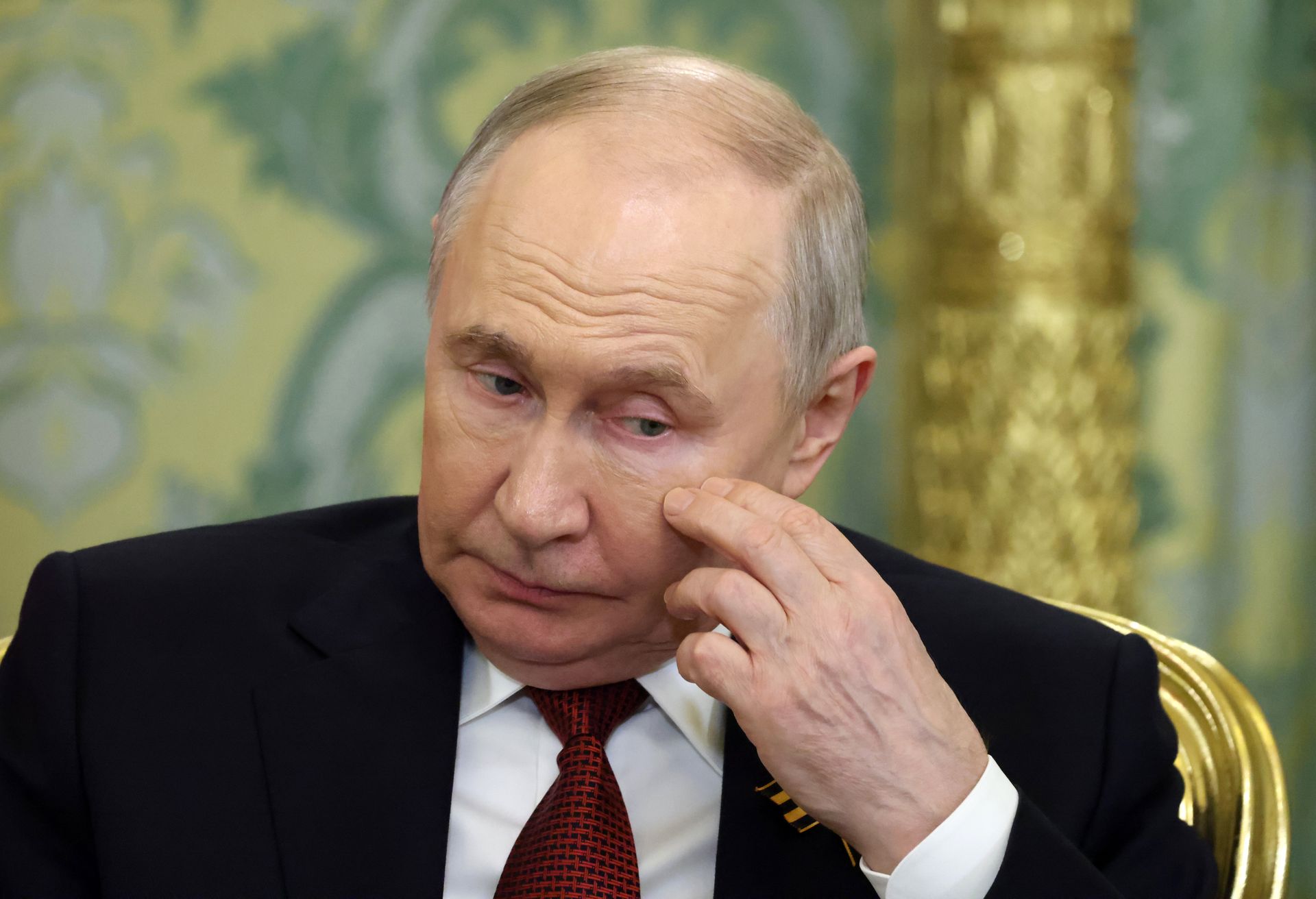
Russia is facing mounting internal pressure from battlefield setbacks in Ukraine, rising taxes, persistent inflation, and a sluggish advance in the war. Estonian intelligence says Moscow's military is still fully tied up in Ukraine, reducing near-term risk of an attack on Estonia, but warns the West should not become complacent. The article reinforces a negative medium-term outlook for Russia as sanctions and allied support continue to constrain the Kremlin.
The market implication is not a near-term regime shift in Russia policy; it is a slow burn in the risk premium on prolonged war economics. The important second-order effect is that a state can absorb military disappointment longer than it can absorb compounding fiscal strain, so the pressure path is likely to show up first in higher domestic repression, more distortionary taxation, and broader external financing constraints rather than a clean negotiation pivot. That tends to keep defense spending elevated while crowding out civilian capex, which is negative for long-duration domestic growth assets and positive for suppliers tied to external rearmament cycles.
The biggest tradable asymmetry is in Europe’s defense and infrastructure-adjacent industrial complex versus the broader European consumer/cyclical basket. Even if battlefield dynamics do not immediately change, the combination of sustained sanctions, drone warfare adaptation, and alliance friction raises the odds that NATO members move from commitments to actual procurement, with a lag of 2-4 quarters. That favors companies with production bottlenecks and backlog visibility more than primes already priced for perfection, and it also supports cybersecurity, satellite comms, electronic warfare, and hardening suppliers as underappreciated beneficiaries.
A contrarian reading is that markets may be overpricing an imminent Russian inflection point; war economies often degrade unevenly and can remain operational longer than headline sentiment suggests. The real catalyst to watch is not rhetoric around talks, but either a sharp oil revenue shock or a material widening in domestic instability that forces capital controls or mobilization changes within the next 6-12 months. Absent that, the higher-probability path is continued grind, which argues for positioning on duration and supply-chain resilience rather than headline-driven ceasefire beta.
AI-powered research, real-time alerts, and portfolio analytics for institutional investors.
Request DemoOverall Sentiment
moderately negative
Sentiment Score
-0.35
