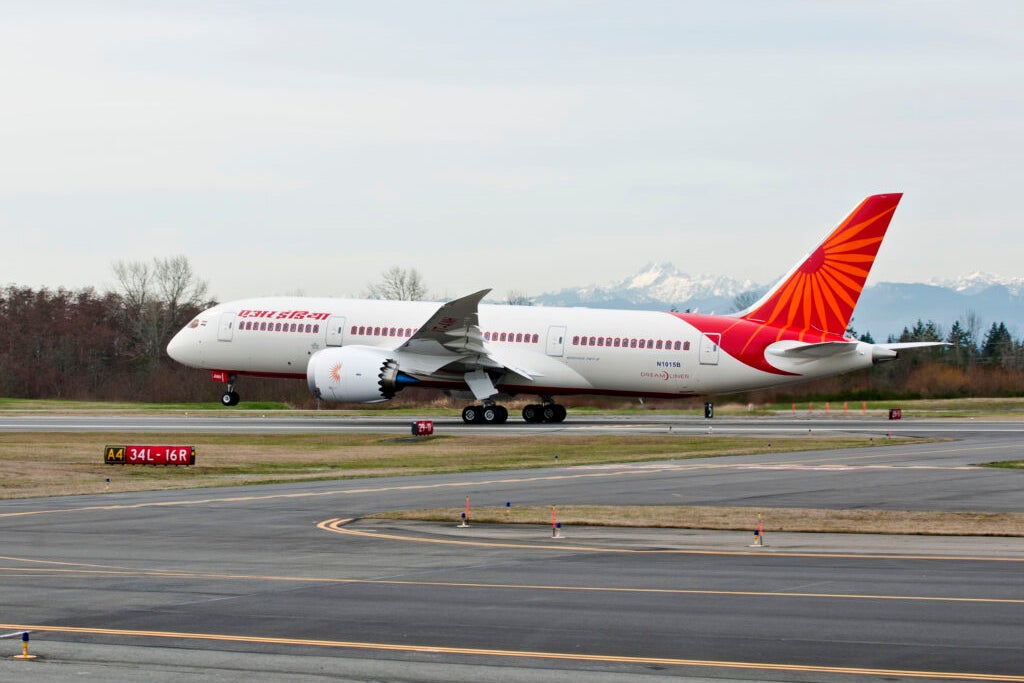
Boeing's stock fell 5% after a Dreamliner 787-8 crash near Ahmedabad, India, reversing momentum gained from recent defense contract wins and the resumption of 737 MAX deliveries to China. The incident, which occurred shortly after the stock reached a 15-month high, has reignited safety concerns and could prolong FAA oversight, potentially limiting Boeing's production scaling despite a substantial order backlog. While analysts had recently issued positive ratings and price targets, this event underscores the volatility inherent in Boeing's recovery amid ongoing challenges like tariff uncertainties and supply chain issues.
Boeing's stock experienced a significant setback, declining over 5% following the crash of a Dreamliner 787-8 near Ahmedabad, India, an event that starkly contrasts with its recent achievement of a 15-month intraday high of $212.34 on June 2. This incident has reignited critical safety concerns, potentially jeopardizing the company's fragile recovery, which had been building on positive momentum from factors such as a 13% year-to-date share price increase as of earlier this week, a rebound in 737 MAX production, the resumption of 737 MAX deliveries to China, a substantial $96 billion commercial deal with Qatar Airways, and its Defense, Space & Security segment returning to profitability and securing new contracts like the F-47 program. Prior to the crash, analyst sentiment was optimistic, evidenced by RBC and TD Cowen issuing $230 price targets and Bank of America upgrading the stock to Buy. However, the Dreamliner incident, which had a strongly negative sentiment score of -0.7 for Boeing's ticker (BA), introduces considerable uncertainty, particularly regarding Federal Aviation Administration oversight. The FAA already caps monthly 737 MAX output at 38 units and inspects each jet pre-delivery; intensified scrutiny following this crash could further constrain Boeing's production capabilities despite a substantial order backlog. This event underscores the inherent volatility in Boeing's turnaround efforts, compounding existing challenges such as tariff uncertainties, materials inflation, and an aerospace supply chain still in recovery.
AI-powered research, real-time alerts, and portfolio analytics for institutional investors.
Overall Sentiment
strongly negative
Sentiment Score
-0.60
Ticker Sentiment
