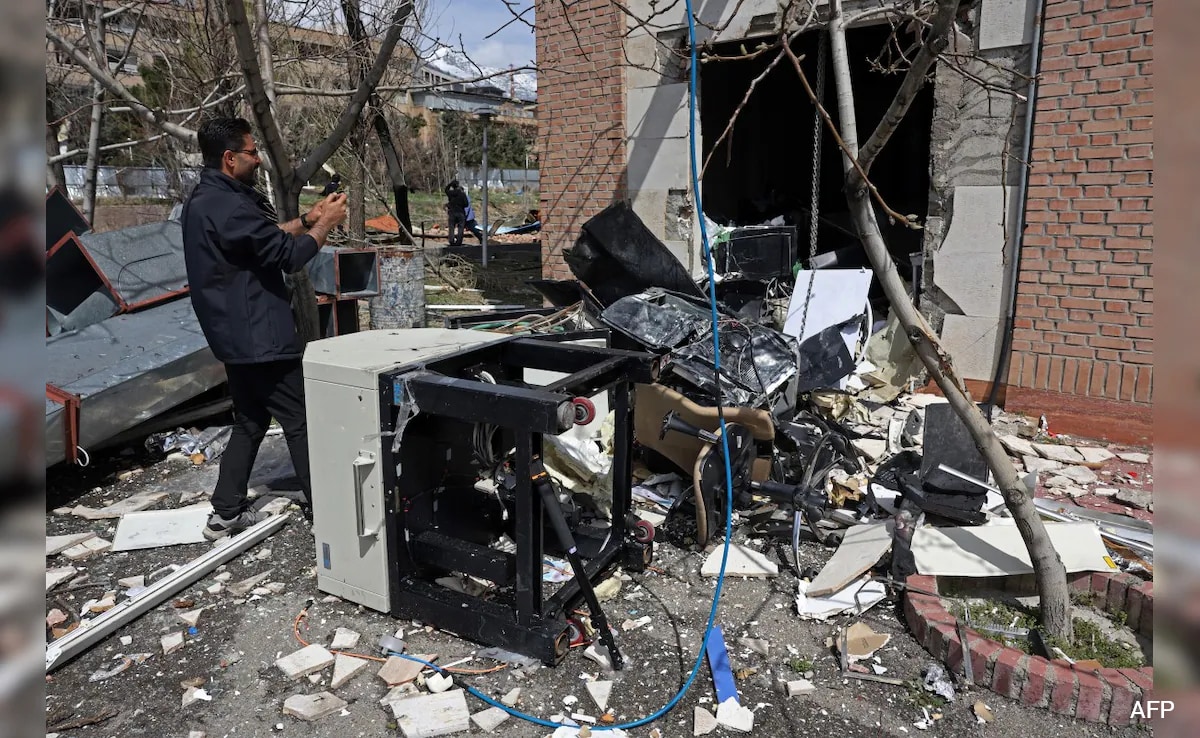
A 45-day ceasefire draft proposing reopening the Strait of Hormuz was delivered by Egyptian, Pakistani and Turkish mediators to Iran and the US; it aims to pause fighting to allow talks but neither side has responded. Iran's insistence on reparations, US threats to strike Iranian infrastructure, and the reported killing of an IRGC intelligence chief amid airstrikes near Tehran keep escalation risk high and create near-term risk-off dynamics for oil shipments and broader markets.
Maritime-energy disruption primarily transmits to markets through two levers: voyage length (tonne-mile demand) and insurance/war-risk premia. Rerouting crude and product flows around longer passages increases voyage times by multiples of days, which mechanically lifts spot tanker rates and charter spreads; owners with modern VLCC/Suezmax fleets capture most of the upside due to fuel and speed advantages. War-risk premium moves are highly convex — a handful of headline events can push P&I and hull risk premiums several hundred basis points within 48–72 hours, then unwind fast if diplomatic de-escalation looks credible.
Oil-price responses will be choppy and time-dependent: expect sharp near-term volatility in front-month and prompt crack spreads while longer-dated curves price in negotiated reroutes and inventory draws. Tactical contango/backwardation shifts create calendar arbitrage opportunities (short prompt, long later months) if markets price a temporary premium but fundamentals remain intact. LNG and product markets will see cross-commodity knock-ons — European gas demand will bid shorter-duration LNG cargos, widening US-Asia arbitrage for the life of the premium.
Key catalysts to watch with timeframes: immediate (days) — military/assassination-type incidents or strikes that close chokepoints; near-term (weeks) — statements from major carriers/insurers altering war-risk cover or charter cancellations; medium (1–3 months) — diplomatic agreements or SPR releases that drain the risk premium; long (6–24 months) — physical infrastructure damage or sanctions rollbacks that change baseline export capacity. A rapid diplomatic signal removes much of the premium quickly; conversely, targeted strikes on export infrastructure create persistent structural tightness and multi-quarter upside for energy exporters and tanker owners.
Second-order winners and losers are non-obvious: short-term winners are spot-exposed tanker owners and specialty marine insurers, while long-term losers include liner operators with fixed schedules and ports dependent on Persian Gulf transits. Carriers with long-term time-charters are insulated, so equity dispersion within shipping will widen; monitor brokered charter rates and insurance filings for early signals of position shifts before oil moves catch up.
AI-powered research, real-time alerts, and portfolio analytics for institutional investors.
Request DemoOverall Sentiment
strongly negative
Sentiment Score
-0.60
