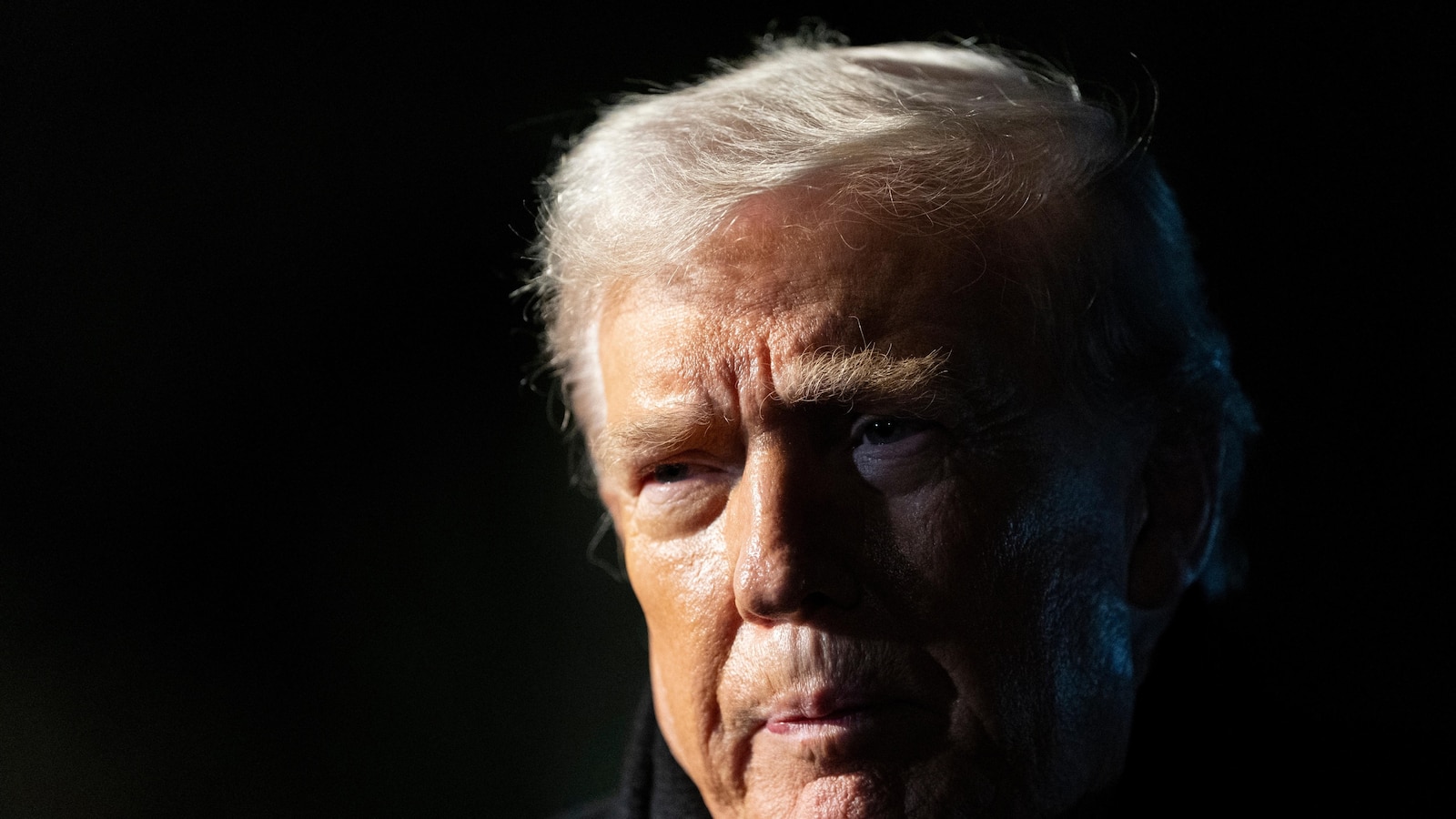
European leaders have coalesced in rejecting President Trump’s renewed public demands to acquire Greenland and his threats to impose import taxes, with Denmark, Norway, Sweden, France, Germany, the U.K., the Netherlands and Finland explicitly targeted by a proposed 10% tariff rising to 25% on June 1 absent a deal. NATO and EU leaders framed the episode as a breach of alliance norms and sovereignty, prompting diplomatic pushback that coincided with U.S. domestic political pressures and market weakness; Trump later dropped threats of force and floated an undefined “framework” granting U.S. access to Greenland. The episode raises elevated but uncertain trade and geopolitical risk — potential tariff exposure for exporters and increased alliance frictions that could influence risk premia and positioning if threats are reactivated or formalized.
Market structure: A sustained Europe–U.S. tariff/sovereignty standoff shifts near-term pricing power toward domestic U.S. producers (steel, defence, commodities) and safe-haven assets. Direct winners: U.S. defence primes (RTX, LMT, GD) and insurers/shippers that reprice routes; direct losers: exporters to the U.S. in the eight named countries and luxury/autos (index-level stress on EWG/VGK). Cross-assets: expect knee-jerk EUR depreciation (-2–4% volatile bands), bid for USD (UUP), and higher gold (GLD) as a 1–3% portfolio hedge; core yields may compress (USTs bid) in first 48–72 hours of shock, but risk premium lifts term premia if tariffs persist.
Risk assessment: Tail risks include an explicit 25% tariff rollout (high-impact, low-probability) or EU reciprocal tariffs that shave 0.5–1.5% off affected countries’ GDP over 12–24 months. Immediate (days): volatility spike and FX moves; short-term (weeks–months): trade negotiations and tariff implementation windows (watch June 1); long-term (quarters–years): structural decoupling and +5–10% revenue tailwind to defence contractors if EU reaccelerates defense spending. Hidden dependency: supply-chain rerouting can benefit non-U.S. exporters in Asia, creating winners outside obvious EU/US binaries.
Trade implications: Tactical longs: establish 2–3% positions in RTX/LMT (expect 10–25% outperformance if Europe ups defense budgets within 6–18 months) and buy 3–6 month call spreads for leveraged exposure. Tactical shorts: -2% position or buy 3-month puts on EWG (or short large-cap exporters) as a hedge versus concrete tariff issuance; add GLD 1–2% as tail hedge. Use pair trade: long RTX, short EWG to express reallocation from European civilian to U.S. defence exposure.
Contrarian angles: The market may overprice perpetual rupture—Trump’s threats historically toggle between bluster and negotiated outcomes; a 25% tariff is politically costly and may be reversed, creating a mean-reversion rally in European exporters. Consider small, staggered buy-ins to European exporters on any >10% sell-off with stop-losses; avoid full conviction shorts pre-June 1 without legislative confirmation. Historical parallel: 1980s protectionist cycles produced short-lived real-economy hits but long-term reversion once trade channels reopened.
AI-powered research, real-time alerts, and portfolio analytics for institutional investors.
Request DemoOverall Sentiment
moderately negative
Sentiment Score
-0.30
Ticker Sentiment
