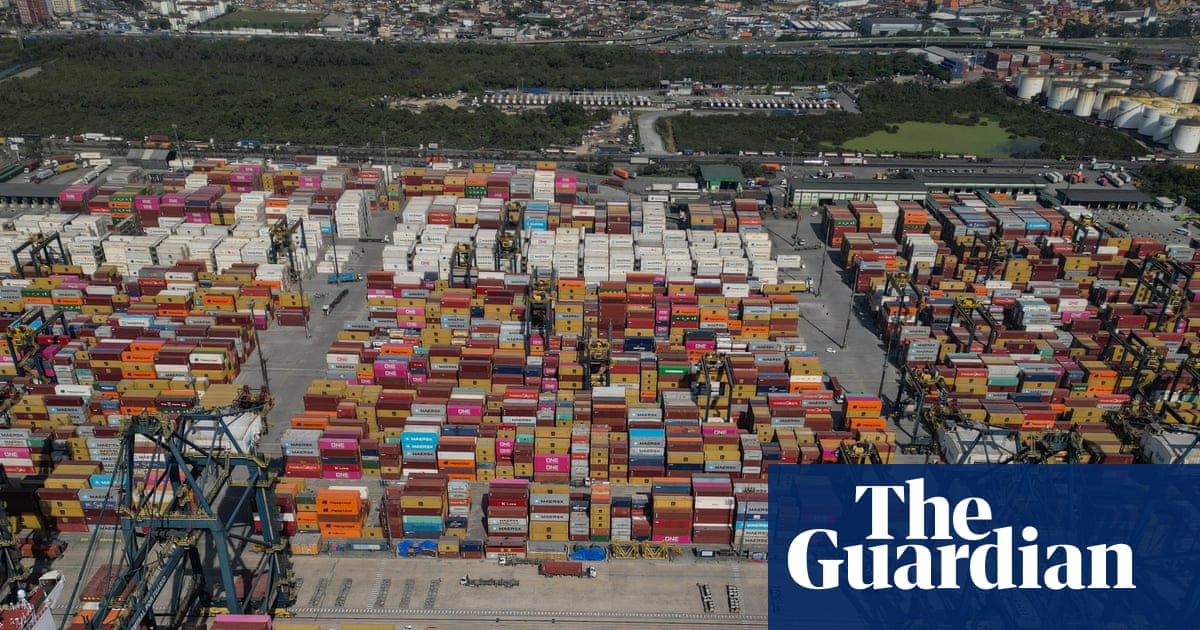
Donald Trump's tariff policies, initially effective in asserting U.S. economic dominance, are now prompting a significant counter-reaction among Global South nations, particularly the BRICS bloc. This is fostering a united front against U.S. unilateralism, as nations like Brazil and India actively seek diversified trade partners and explore alternatives to the dollar. This strategic shift, fueled by the perception that U.S. tariffs are being used for political coercion beyond trade, risks accelerating a multipolar economic order and potentially isolating the U.S.
The current U.S. administration's tariff strategy is evolving from a tool for economic rebalancing into a mechanism for asserting political will, a shift that is catalyzing a significant counter-reaction among major Global South nations. Unlike the historical precedent of Chamberlain's Imperial Preference, which aimed to bind an alliance, these tariffs are fostering an axis of resistance centered on the BRICS bloc. Specific economies are facing punitive measures tied to non-trade issues: Brazil is confronting 50% tariffs amid U.S. pressure over its domestic judiciary, and India faces a similar 50% tariff rate perceived as punishment for purchasing Russian oil. This has prompted high-level discussions between the leaders of Brazil, India, China, and Russia to form a united front against what they term "unilateralism and protectionism." The BRICS alliance, representing approximately 37.3% of global GDP by PPP, is emerging as a vehicle for this collective action. Evidence of recalibration is clear: Brazil's President Lula is championing de-dollarization for trade, a move supported by Brazil's diminished reliance on the U.S. market, which now absorbs only 12% of its exports, down from 24% in 2000. UBS BB analysts estimate that the economic impact on Brazil may be contained, with a maximum 0.6% hit to GDP, as up to three-quarters of affected exports could be redirected. Concurrently, India is reportedly considering an easing of foreign direct investment rules for Chinese companies, signaling a potential strategic realignment. The overarching consequence is that U.S. tariff policy, intended to reassert dominance, appears to be inadvertently accelerating the formation of a more cohesive multipolar economic order and incentivizing the diversification of global supply chains away from the United States.
AI-powered research, real-time alerts, and portfolio analytics for institutional investors.
Request DemoOverall Sentiment
moderately negative
Sentiment Score
-0.50
Ticker Sentiment
