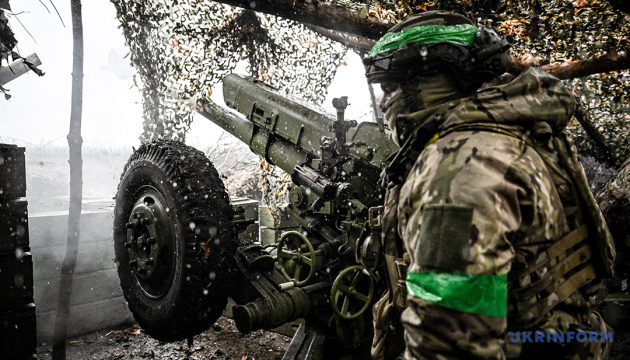
Ukrainian General Staff reported 58 clashes along the frontline since midnight with active fighting in four sectors; Russian strikes hit locations in Chernihiv and Sumy regions and an airstrike struck Verkhniа Tersa while guided bomb strikes hit Mykhailivka. Sector-level activity included 28 shelling attacks in the Northern Slobozhanshchyna/Kursk area, concentrated offensive attempts in Pokrovsk (18 attempts) and Huliaipole (multiple ongoing clashes), and 149 clashes recorded on December 30 with heaviest fighting in Pokrovsk and Huliaipole. Continued frontline engagements and localized escalations imply ongoing operational risk that can sustain volatility for regional assets, energy prices, and defense-related exposures.
Market structure: Persistent frontline clashes (dozens daily) sustain higher government defense spending and procurement tails. Clear winners are prime defense contractors (a multi-quarter revenue tailwind) and European/North American LNG and oil exporters if escalation forces energy rerouting; losers are Ukraine-proximate infrastructure, regional banks, and tourism/airlines facing higher insurance/fuel costs. Expect a 3-7% near-term uplift in defense order visibility and a 5-15% realized-volatility rise in regional FX and energy markets if clashes sustain above ~100/day.
Risk assessment: Tail risks include a major Russian summer offensive, broader NATO involvement, or energy infrastructure strikes — each could spike Brent >$100/bbl and TTF gas >€150/MWh in 1-12 months (high-impact, low-probability). Immediate horizon (days) risk is volatility and localized supply disruptions; short-term (weeks–months) is tighter European gas spreads and widening EM sovereign spreads; long-term (quarters) is re-routing capex to defense and energy security. Hidden dependencies: winter weather, LNG cargo schedules, and sanctions velocity; catalysts include formal EU defense procurement announcements or a disrupted pipeline/LNG terminal (fast impact within 48–72 hours).
Trade implications: Favor tactical long positions in large-cap defense (liquid names) and selected energy midcaps with LNG exposure; hedge via volatility instruments and reduce Ukraine-adjacent EM cyclical exposure. Options should be used to express asymmetric views — buy call spreads on defense and oil, buy VIX or Eurostoxx downside protection. Rebalance away from high-beta travel/tourism and regional financials into quality energy/defense over the next 1–6 months.
Contrarian angles: Consensus buys defense; less-appreciated is that prolonged low-intensity attrition favors smaller, specialist suppliers and cyber/security firms — consider targeted small caps before broad primes re-rate. Market may underprice a winter gas squeeze; buying 3–6 month call spreads on TTF proxies or LNG exporters could be underowned. Beware overpaying for defense primes at peak headlines; use event-driven entry rules (buy on >5% pullback).
AI-powered research, real-time alerts, and portfolio analytics for institutional investors.
Request DemoOverall Sentiment
moderately negative
Sentiment Score
-0.50
