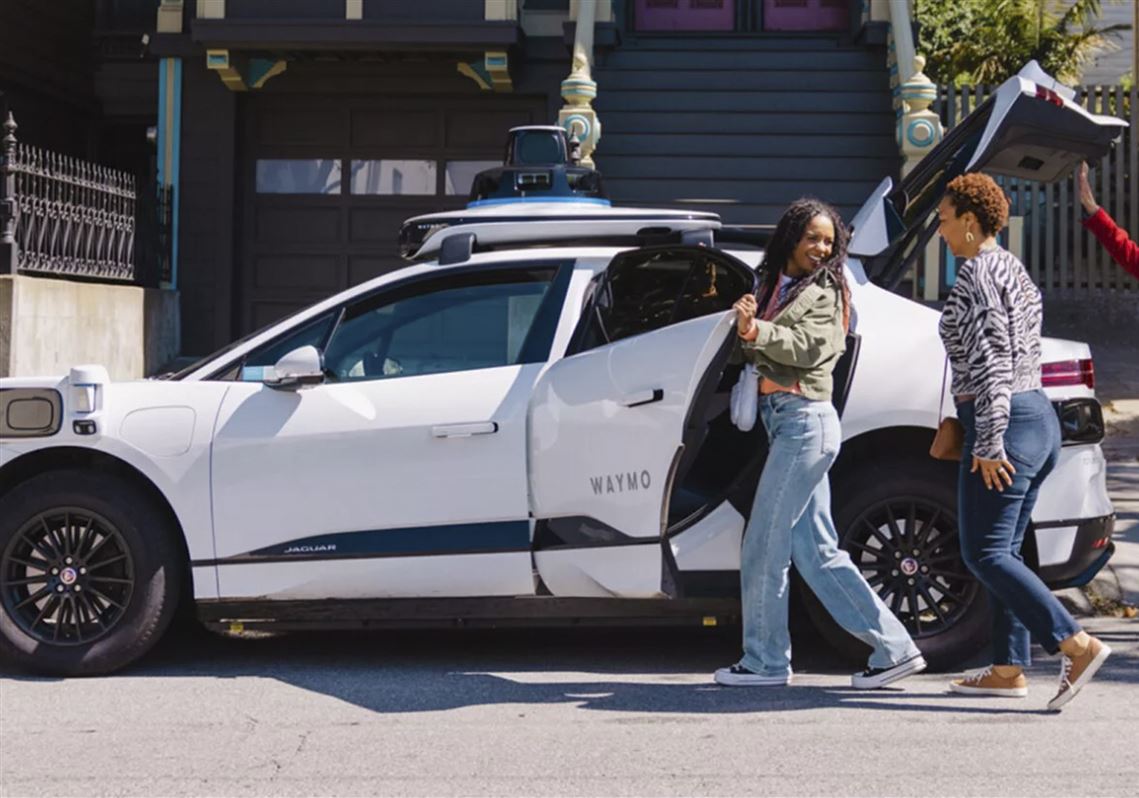
Waymo, Alphabet’s autonomous-vehicle unit founded in 2009, announced an expansion of its fully autonomous, electric ride-hailing service to Pittsburgh, Philadelphia, St. Louis and Baltimore and will begin manual driving runs downtown this week to validate operations before launch. The Waymo Driver—having logged over 100 million real-world miles—strengthens Alphabet’s position in applied autonomy and signals competitive momentum against rivals (notably Aurora and Uber partnerships in select markets); the move is strategically significant for long-term autonomous mobility adoption but is unlikely to produce material near-term financial effects for public markets.
Market structure: Waymo’s Pittsburgh rollout accelerates the shift from labor-driven ride-hailing to capital- and data-driven mobility. Near-term winners are Alphabet (GOOGL/GOOG) for data/network effects and lidar/battery suppliers; losers are marginal drivers and some legacy OEM profit pools. Expect modest pricing pressure on Uber’s urban rides over 1–3 years as driver cost component falls; fleet-capex increases concentrate supply with deep-pocketed tech owners.
Risk assessment: Material tail risks include a high-profile crash or state-level regulatory bans that can wipe out local rollouts (10–30% downside for direct AV equity sentiment in days). Immediate impact is limited; watch weeks–months for municipal permits and months–years for revenue realization. Hidden dependencies: insurance regimes, local mapping infrastructure, and profitable unit economics hinge on vehicle utilization >50–60% and battery cost declines ~20%+.
Trade implications: Favor tech exposure to autonomous stack (Alphabet) and selective battery/lidar suppliers; underweight legacy OEMs without autonomous partnerships (Ford) and capital-light ride platforms (Uber) if they can’t shift economics. Use directional equity positions sized 1–3% and convex option structures to time regulatory catalysts (30–90 day windows for approvals/accidents, 12–36 months for monetization).
Contrarian angles: Consensus underprices the multi-year capex and regulatory drag—expect a slow, regional roll-up rather than rapid national monetization; short-term equity pops may be overdone. Conversely, long-term optionality in Alphabet could be underpriced if Waymo achieves 5–10% share in target metros within 3 years; political backlash and insurance cost shocks are credible downside surprises.
AI-powered research, real-time alerts, and portfolio analytics for institutional investors.
Request DemoOverall Sentiment
mildly positive
Sentiment Score
0.35
Ticker Sentiment
