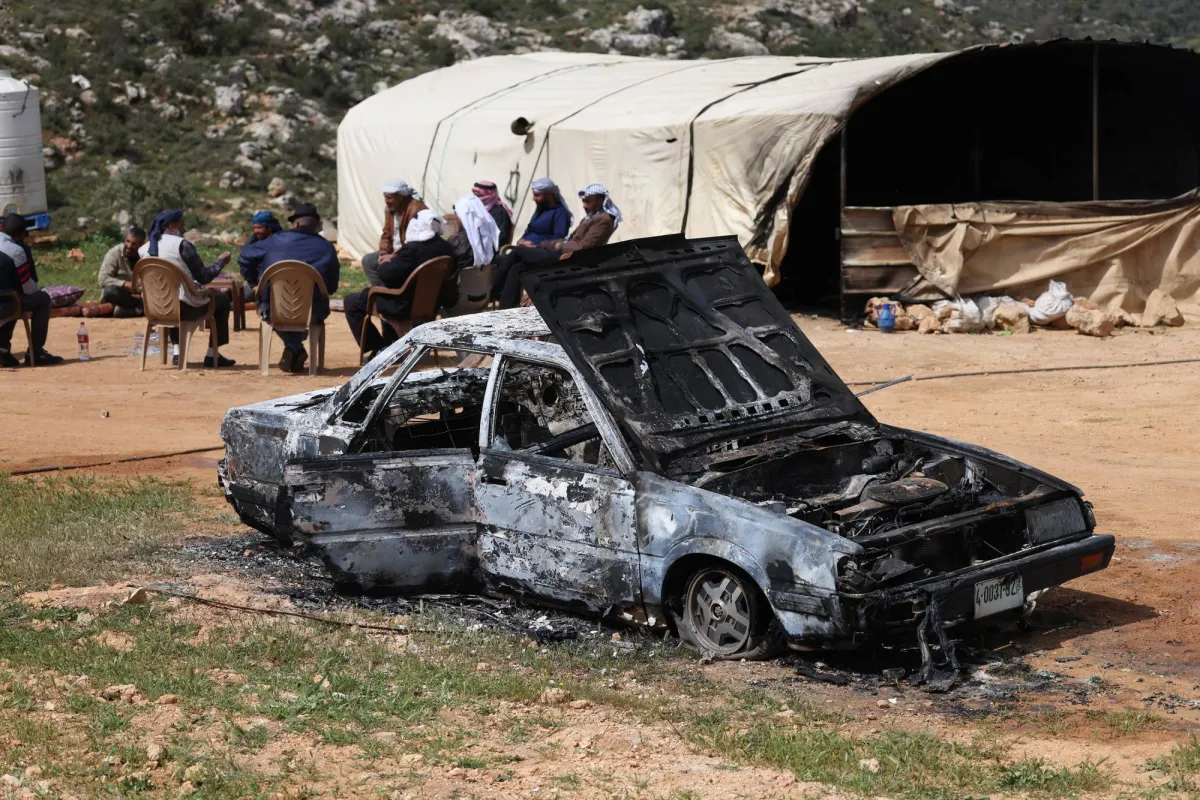
A Palestinian man, Ali Majed Hamadneh, 23, was shot dead by Israeli settlers during a raid on Deir Jarir in the West Bank, according to the Palestinian health ministry. The incident adds to a sharp rise in settler violence in the occupied territory since the Gaza war began on October 7, 2023, and follows at least six Palestinian deaths in settler attacks since February 28, per an AFP tally. The escalation heightens regional geopolitical risk and could keep pressure elevated on security and defense-related markets.
The immediate market read is not a broad EM or oil shock; it is a localized but persistent risk premium for Israeli domestic politics, West Bank security, and any sector exposed to prolonged mobilization. The bigger second-order effect is that repeated settler violence increases the probability of a broader security crackdown, which tends to raise near-term fiscal pressure and keep defense and internal security procurement elevated longer than consensus expects. That is supportive for the defense stack, but it also raises the odds of reputational drag and selective foreign buyer hesitation if the conflict is seen as structurally worsening.
The more interesting channel is investment sentiment in the West Bank and adjacent logistics corridors. Even without a direct macro transmission, elevated instability tends to delay permits, construction starts, and cross-border labor flows, which can weigh on Israeli real estate, infrastructure execution, and retail activity over the next 1-3 quarters. If violence continues to rise, the market may begin to price a higher probability of a larger security incident that would force broader reserve mobilization and tighter movement restrictions, a negative for consumption and small-cap cyclicals.
The contrarian miss is that the headline risk may be under-monetized in defense names but over-monetized in everything else tied to Israel. If the situation remains geographically contained, the net incremental impact is likely modest and short-lived; if it spreads, the key winner is not broad EM beta but specific defense and security contractors with recurring maintenance and munitions exposure. The real tail risk is policy escalation rather than the incident itself, with the next catalyst arriving on the order of days if there is retaliatory activity, or weeks to months if the violence becomes systematic enough to alter permit, policing, and budget decisions.
AI-powered research, real-time alerts, and portfolio analytics for institutional investors.
Request DemoOverall Sentiment
strongly negative
Sentiment Score
-0.75
