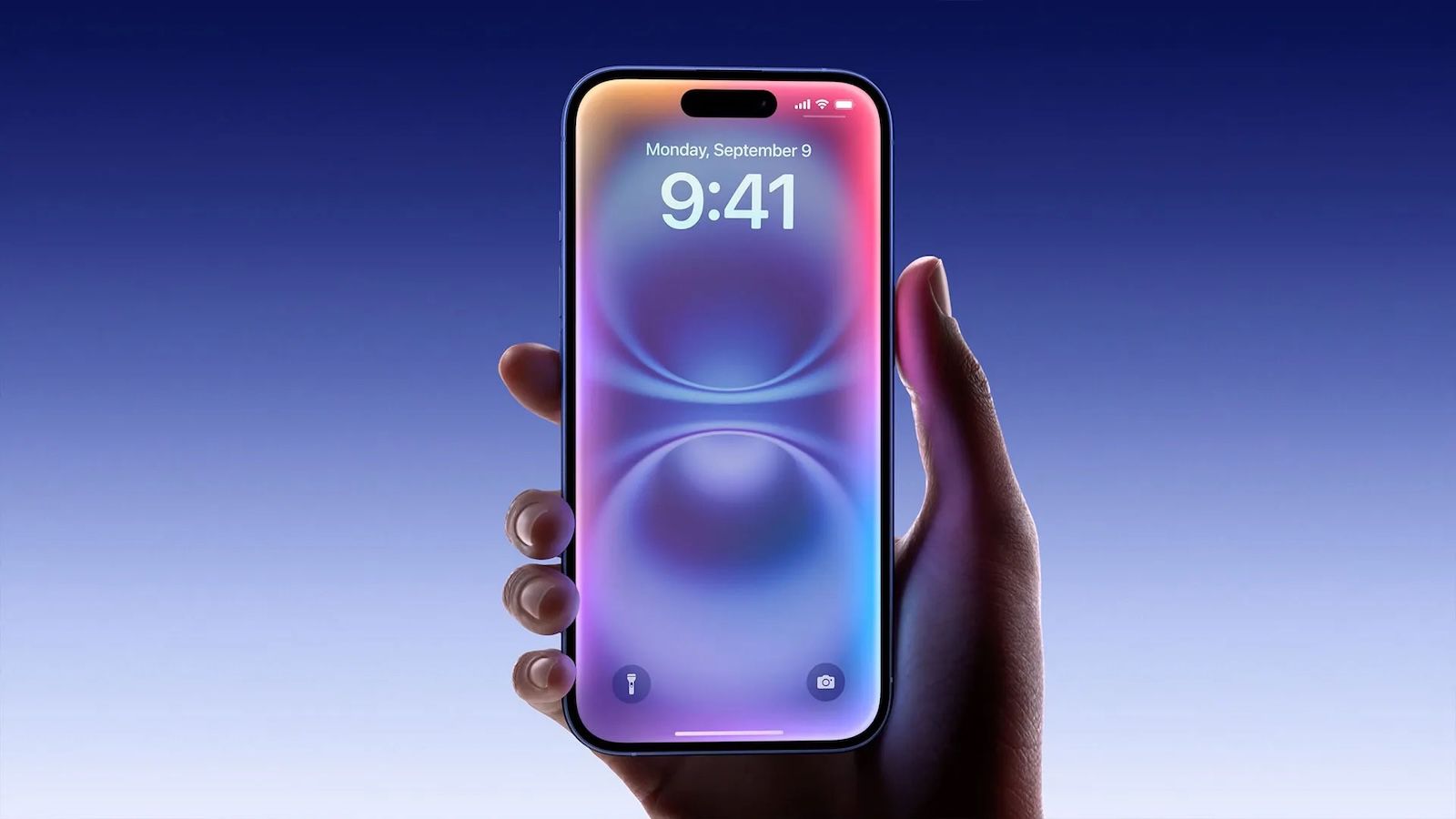
Apple is preparing two major Siri upgrades: a more personalized assistant powered by Google Gemini planned for iOS 26.4 (beta in February, public release March–April) and a full-chatbot Siri in iOS 27 described as competitive with Gemini 3. The report notes executive turnover—senior Siri exec Stuart Bowers left for DeepMind and four AI researchers also departed—while Apple confirmed an acquisition of Israeli audio-AI startup Q.ai for close to $2 billion and rolled out hardware and accessory updates including a second‑generation AirTag.
Market structure: Apple (AAPL) is the primary beneficiary — embedding a Gemini-powered personalized Siri (iOS 26.4, beta Feb, public Mar–Apr) and a more capable chatbot in iOS 27 tightens device differentiation and could lift engagement/retention by low single-digit points of active user ARPU over 12–18 months. Google (GOOGL) wins as the Gemini provider (more model usage) while Amazon (AMZN) and third-party assistant vendors face modest share loss in on-device voice. Expect incrementally higher demand for Apple silicon and audio/ML components, shifting some supplier revenue from cloud vendors to device vendors.
Risk assessment: Key tail risks are regulatory friction (EU/US privacy and antitrust probes over bundled AI and the $2B Q.ai deal) and operational delays from talent exits; either could push the chatbot timeline >6–12 months. Immediate market sensitivity centers on iOS 26.4 beta (Feb) and public release (Mar–Apr); medium-term risk is EU privacy constraints that could reduce cloud-dependent features by an estimated 10–20% of feature set in 6–18 months. Hidden dependency: Apple’s reliance on Google Gemini creates strategic leverage for GOOGL and regulatory optics.
Trade implications: Tactical ideas — establish a 2–3% long AAPL position into iOS 26.4 release targeting +5–12% outperformance by summer if adoption metrics beat benchmarks; pair with a 1–1.5% short AMZN position (voice/device exposure) to hedge macro tech beta. Options: size a 4–8 week pre-release calendar by buying a 3–6 month AAPL call debit spread sized to 1–2% of portfolio to capture upside while limiting vega; avoid deep long-dated binary bets until iOS27 feature demos. Rotate 3–6% from generic Software/Cloud names into Consumer Hardware (AAPL suppliers) if on-device AI adoption data in Q2 is positive.
Contrarian angles: Consensus understates the monetization friction — on-device assistants historically struggle to convert usage to revenue, so the market may overpay for headline AI integration absent clear monetization pilots (ads/subscriptions) in 12 months. Also, dependence on Google could create renegotiation risk that pressures margins or feature availability; if EU privacy rules force local-only models, adoption could be delayed >12 months. Monitor iOS beta telemetry, App Store in-app routing changes, and any formal regulator inquiries in the next 90 days as key reversal catalysts.
AI-powered research, real-time alerts, and portfolio analytics for institutional investors.
Request DemoOverall Sentiment
mildly positive
Sentiment Score
0.25
Ticker Sentiment
