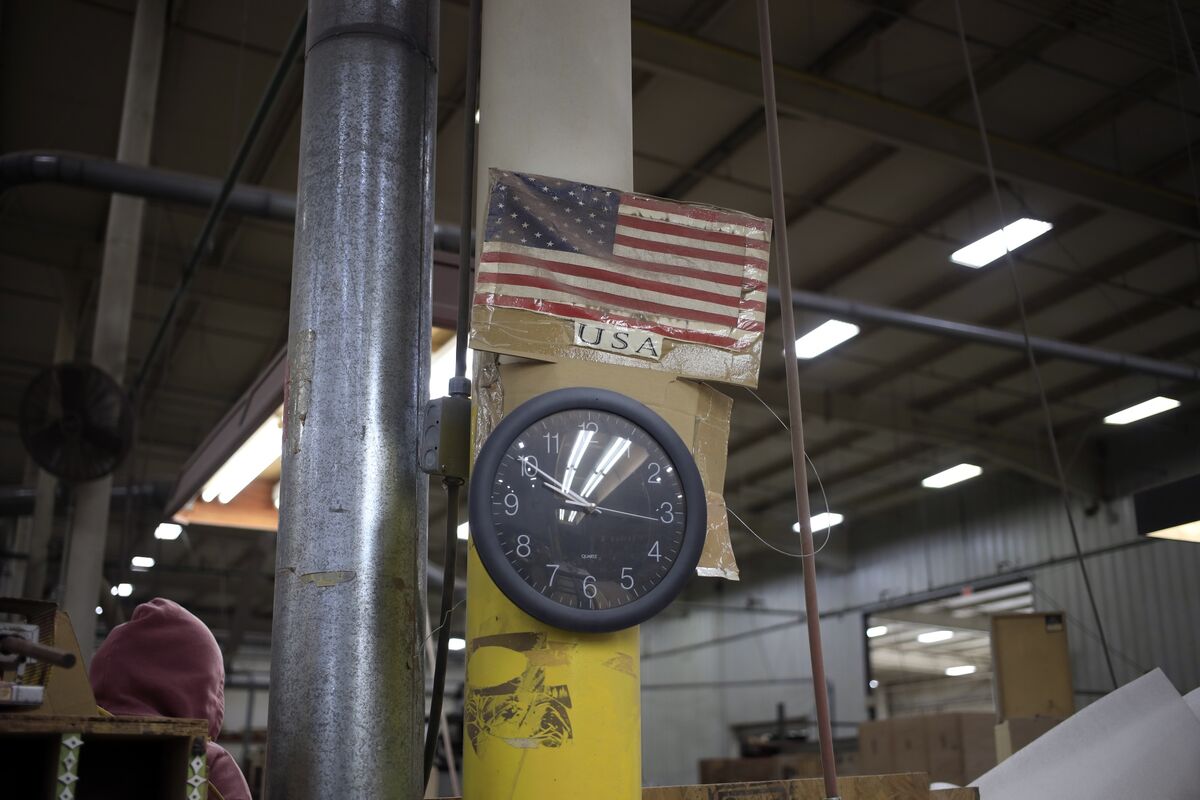
Small U.S. companies, which account for over half of the nation's job creation, face significant adverse impacts from potential Trump-era tariffs. The U.S. Chamber of Commerce estimates approximately 236,000 small-business importers, those with fewer than 500 employees, imported over $868 billion in goods in 2023, indicating a broad economic vulnerability beyond consumers should trade war policies intensify.
Potential U.S. tariffs represent a significant headwind for the small-business sector, a critical engine for the domestic economy responsible for over half of its job creation. According to U.S. Chamber of Commerce data, approximately 236,000 small businesses with fewer than 500 employees operate as importers, with their international purchases totaling over $868 billion in 2023. This substantial import value underscores the direct financial exposure of these firms to trade-related cost increases, which could severely compress margins and hinder their operational viability. The risk extends beyond consumer price inflation, threatening a broad and vital component of the U.S. economic base and potentially leading to negative effects on employment and overall economic stability, a concern reflected in the strongly negative sentiment signal.
AI-powered research, real-time alerts, and portfolio analytics for institutional investors.
Request DemoOverall Sentiment
strongly negative
Sentiment Score
-0.75
