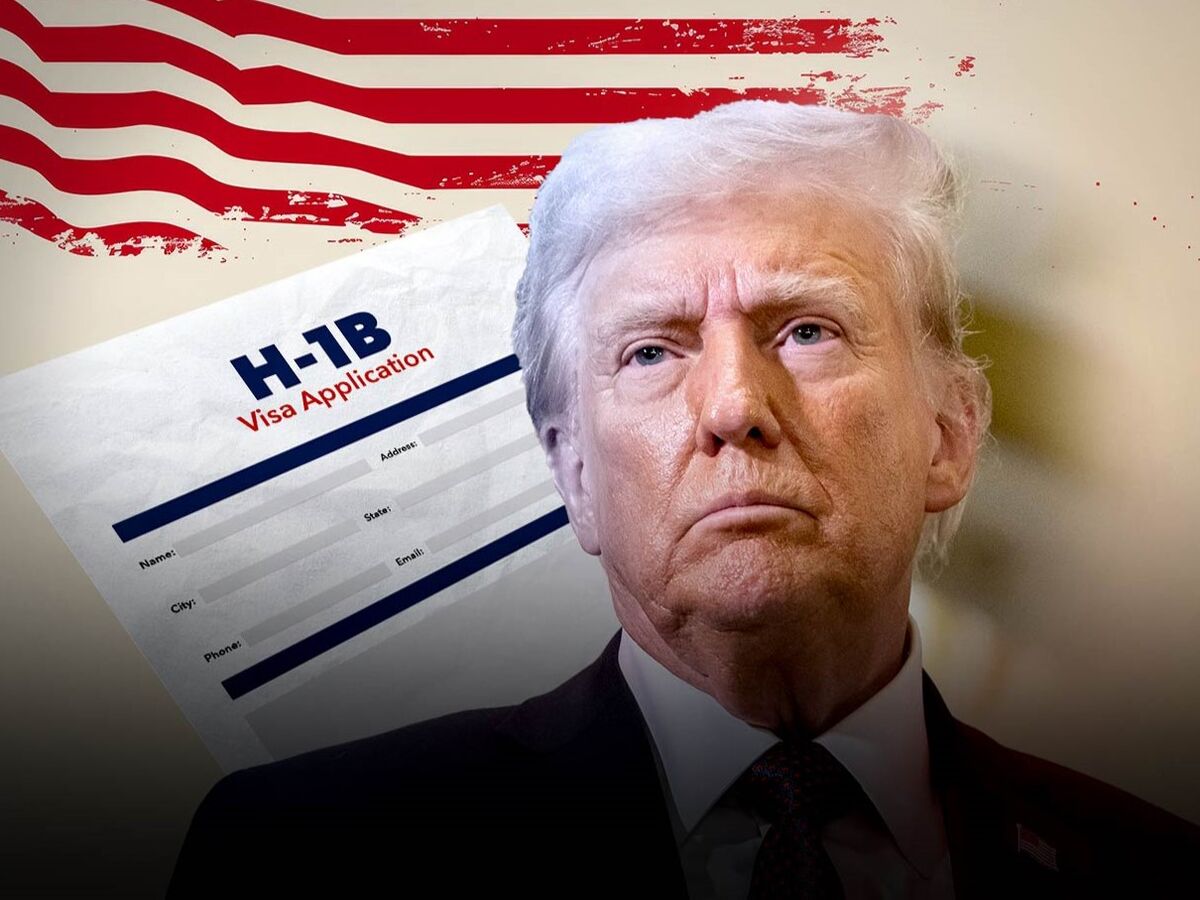
The Trump administration's proposed $100,000 H-1B visa fee is generating significant uncertainty and market disruption, while civil unrest in South Asian nations adds to geopolitical instability concerns.
A dual-front of uncertainty is emerging from both U.S. domestic policy and South Asian geopolitics, creating a strongly negative market sentiment (-0.75) and a high potential for market impact. The primary catalyst is a proposed $100,000 H-1B visa fee under the Trump administration, a move described as creating "chaos" and significant uncertainty for industries dependent on high-skilled foreign labor. This regulatory shock directly affects operational planning and cost structures for relevant firms. Concurrently, reports of "civil unrest rocking South Asian nations" introduce a significant geopolitical risk layer, impacting investor confidence in emerging markets within the region. The combination of these events—spanning themes of regulation, domestic politics, and geopolitics—fosters an environment of instability and requires careful risk assessment.
AI-powered research, real-time alerts, and portfolio analytics for institutional investors.
Request DemoOverall Sentiment
strongly negative
Sentiment Score
-0.75
