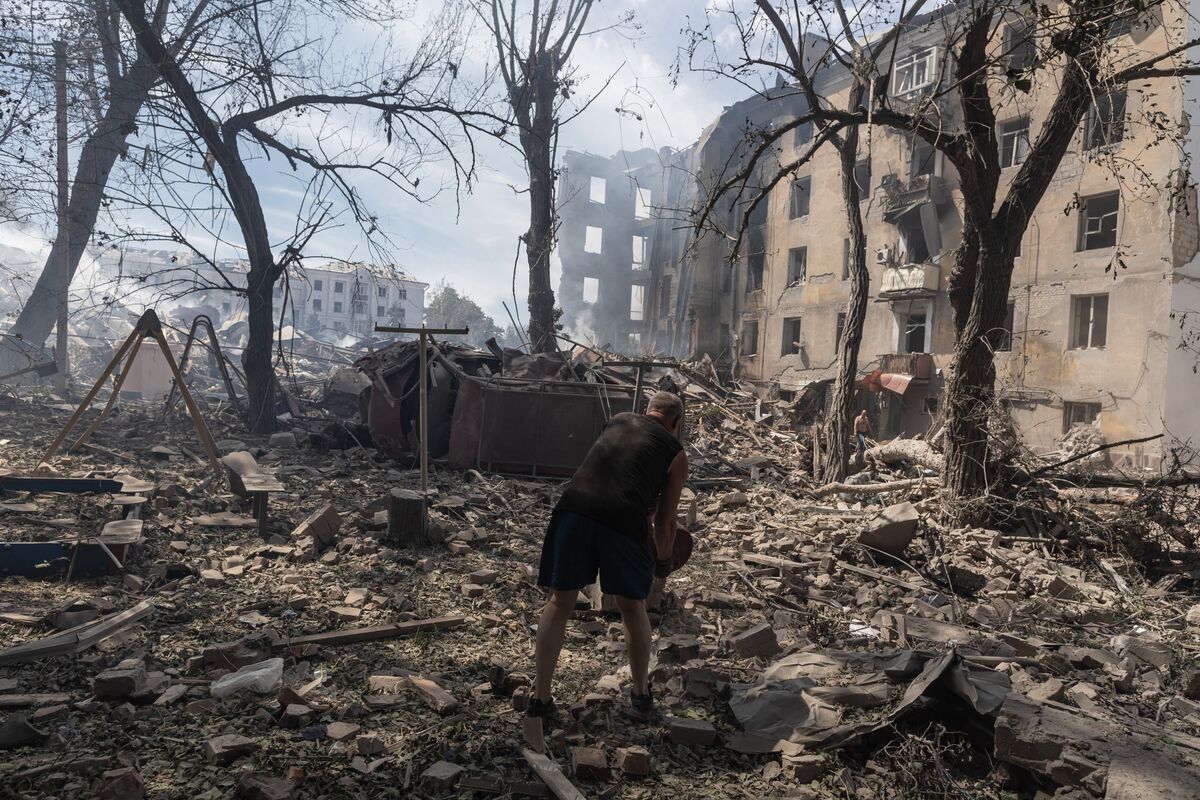
Ahead of Friday's summit in Alaska, Russian President Vladimir Putin is reportedly confident in Russia's dominant military position in Ukraine, which is expected to bolster his resolve to demand significant territorial concessions from Kyiv in exchange for a ceasefire. This stance suggests a challenging negotiation, as Putin has hitherto been reluctant to agree to a ceasefire with President Trump without securing these gains.
The upcoming summit between Russian President Vladimir Putin and US President Donald Trump is positioned against a backdrop of heightened geopolitical tension, driven by Russia's perceived dominant military position in Ukraine. According to the report, recent battlefield advances have emboldened Putin, leading to an expectation that he will adopt a hardline negotiating stance. The central Russian demand is anticipated to be significant territorial concessions from Ukraine as a prerequisite for any ceasefire agreement. This context suggests a low probability of a swift diplomatic resolution, as Putin has previously shown reluctance to concede a ceasefire. The situation points towards challenging negotiations, with the moderately negative sentiment and moderate market impact score underscoring the potential for increased market volatility should the summit fail to de-escalate the conflict.
AI-powered research, real-time alerts, and portfolio analytics for institutional investors.
Request DemoOverall Sentiment
moderately negative
Sentiment Score
-0.50
