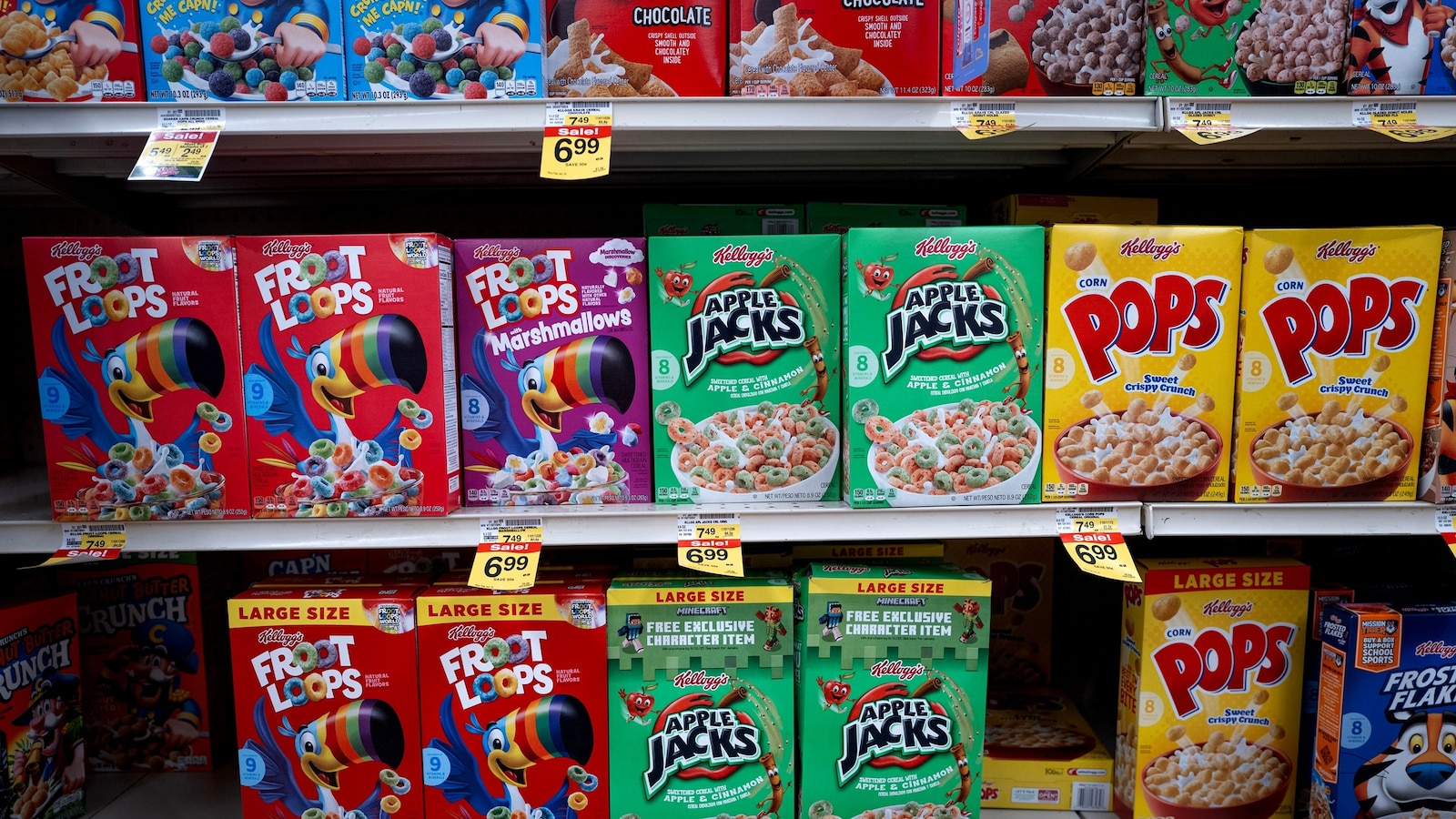
The FDA has updated guidance to clarify "no artificial color" labels, explicitly excluding foods colored with natural sources (e.g., beet or watermelon juice) while disallowing synthetic petroleum-based dyes. Commissioner Marty Makary framed the move as part of a broader administration effort to reduce artificially dyed foods; major retailers and CPGs including Walmart, General Mills and Hershey have pledged reductions in some products by the end of next year. The change increases labeling clarity and may accelerate reformulation costs or ingredient sourcing shifts for affected food manufacturers, but it is unlikely to be market-moving in the near term.
MARKET STRUCTURE: FDA clarity favors branded consumer staples and natural-ingredient suppliers while penalizing products dependent on synthetic dyes. Expect short-term reformulation costs (estimated 0.2%–0.6% of revenue for candy/snack makers) and a 10%–30% spike in demand/prices for natural colorants over 6–12 months, benefiting suppliers and premium SKUs. Retailers with scale (WMT) can absorb or arbitrage through private-label wins.
RISK ASSESSMENT: Tail risks include escalation to broader additive regulation (sugars/fats) or litigation that forces accelerated reformulation—this would materially compress margins by 50–200 bps across staples over 12–24 months. Immediate news-driven volatility (days) should be traded; supply strains and margin effects crystallize in weeks–months; full revenue mix shifts play out over quarters–years. Hidden dependency: small number of natural-dye processors create concentration risk; a single capacity shock could spike ingredient inflation >30%.
TRADE IMPLICATIONS: Tactical long on natural-color suppliers and select resilient staples (GIS) vs short/hedge confectionary exposure (HSY) is logical. Use size-limited equity positions (1–2% portfolio each) and 3–12 month option spreads to cap downside while capturing re-rating if clean-label premium (2%–5% price) materializes. Bonds/IG spreads for large staples may widen 5–15 bps if margin pressure persists.
CONTRARIAN ANGLES: Consensus underestimates pass-through: consumers pay 2%–5% premium for clean labels, so winners may recoup reformulation costs within 12 months; conversely, rapid supplier capex could collapse natural-dye prices by 2027. Historical parallel: trans-fat reformulations caused short pain then normalized pricing. Watch for unintended product texture/color failures that erode brand share — a binary risk for candy makers.
AI-powered research, real-time alerts, and portfolio analytics for institutional investors.
Request DemoOverall Sentiment
neutral
Sentiment Score
0.00
Ticker Sentiment
