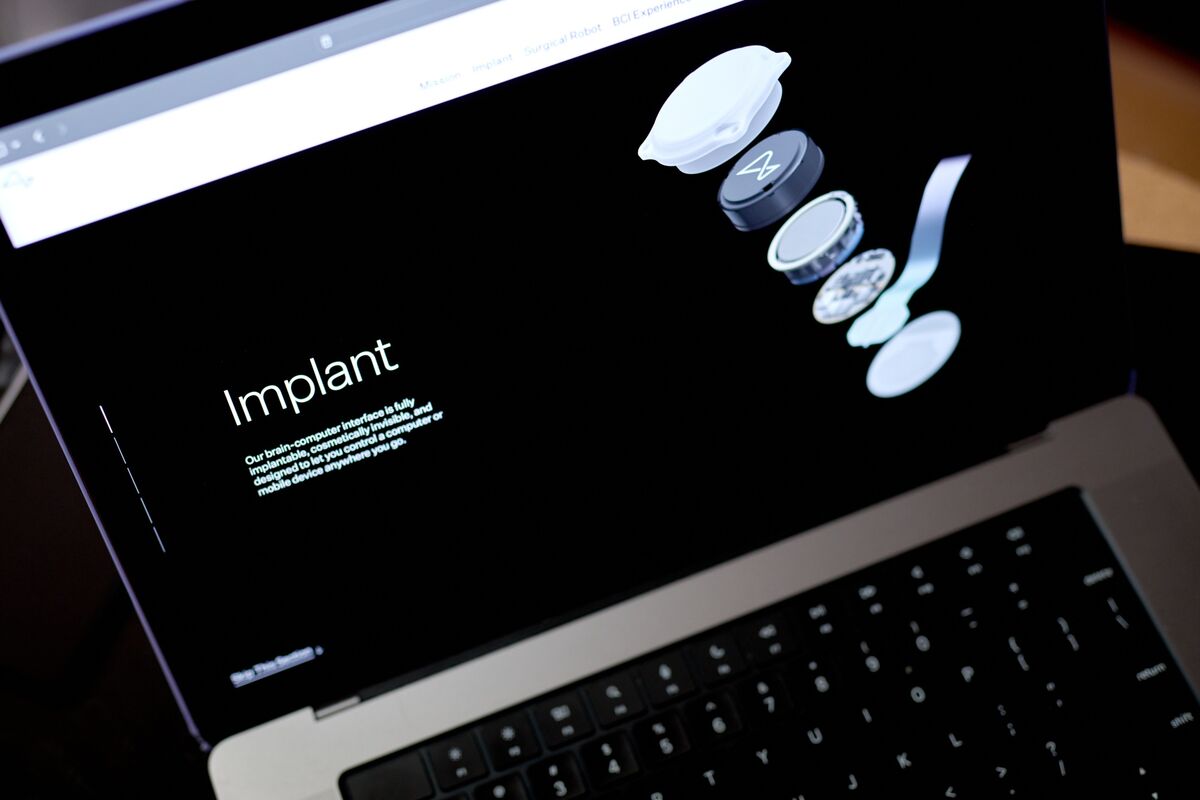
Neuralink's Blindsight device, a brain implant, has enabled a monkey to perceive objects that are not physically present by stimulating areas of the brain associated with vision. According to Neuralink engineer Joseph O'Doherty, the monkey moved its eyes toward the induced visualizations at least two-thirds of the time, marking progress toward the company's goal of restoring sight to blind individuals.
Neuralink Corp. has reported a significant development with its Blindsight brain implant, successfully enabling a monkey to perceive visual stimuli that were not physically present by directly stimulating brain areas associated with vision. According to Neuralink engineer Joseph O’Doherty, the primate subject responded to these induced visualizations by moving its eyes toward them in at least two-thirds of instances. This experimental success represents a tangible step towards Neuralink's ambitious goal of restoring sight to blind individuals. The announcement carries a moderately positive sentiment and an optimistic tone, reflecting the potential breakthrough in neurotechnology and healthcare. While the immediate market impact score of 0.35 is relatively low, this likely reflects the early stage of the research and Neuralink's status as a private entity, rather than a lack of long-term significance for the broader Technology & Innovation and Healthcare & Biotech themes.
AI-powered research, real-time alerts, and portfolio analytics for institutional investors.
Request DemoOverall Sentiment
moderately positive
Sentiment Score
0.50
