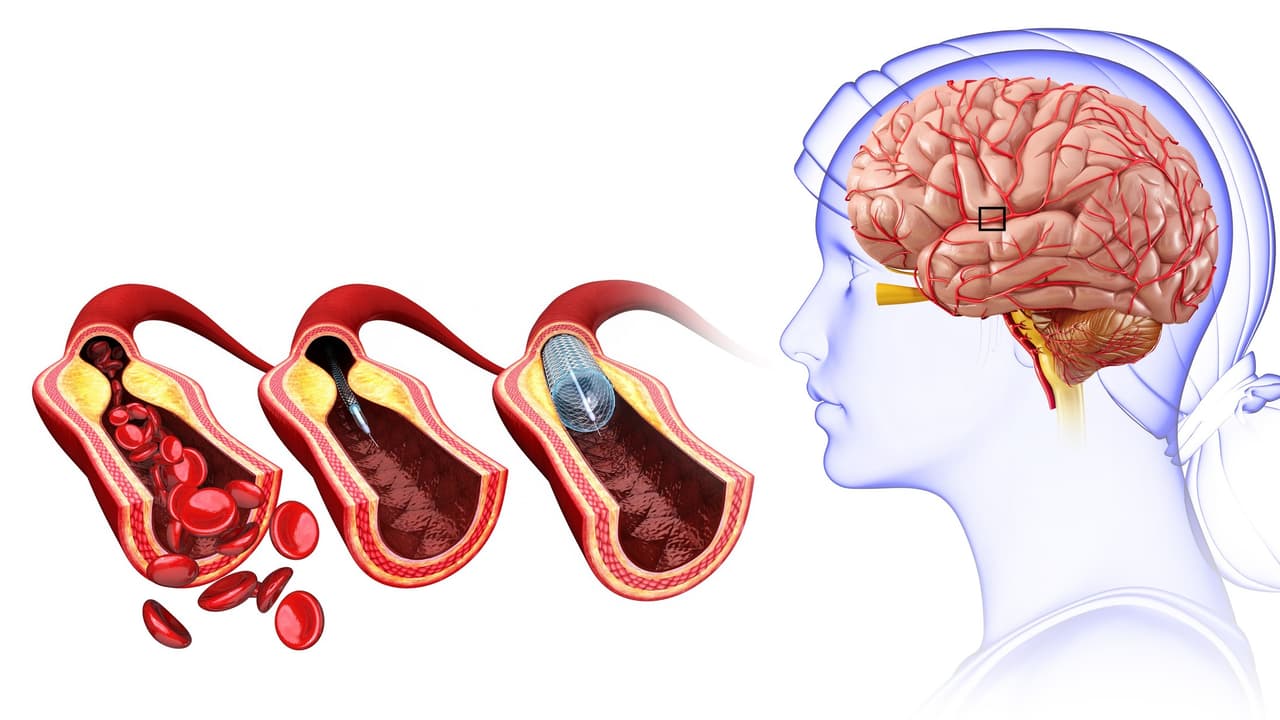
A PNAS study found that restoring the brain lipid PIP2 in preclinical models normalized cerebral blood flow by tempering overactive Piezo1 pressure-sensing channels in vascular endothelial cells, reversing vascular dysfunction linked to dementia. The result points to a potential upstream therapeutic strategy that targets cerebral circulation rather than downstream protein clearance; researchers plan further work to map PIP2 interactions and assess whether safely boosting PIP2 is feasible in humans, though results remain preclinical.
Market structure: Winners are platform biotechs and large pharmas with blood–brain barrier (BBB) delivery, lipid biology IP, or vascular-device franchises (potential M&A targets); losers are narrowly focused amyloid-only plays that could lose marginal investor interest. Expect modest reallocation of VC and partnership dollars toward vascular/BBB modalities over 6–24 months, boosting valuations for firms with clear PIP2/ Piezo1 programs and diagnostic CBF (cerebral blood flow) imaging vendors. Cross-asset: anticipate small tightening in credit spreads for acquisitive pharma, slightly higher equity IV in neuro-biotech, and negligible commodity/FX impact outside USD pharma M&A flows.
Risk assessment: Primary tail risks are failed human translation (PIP2 safety or inability to raise CNS levels), regulatory setbacks, and reproducibility failure; probability medium but impact high (equity drawdowns >40% for small-cap plays). Time horizons: immediate (0–3 months) = speculative repricing/press coverage; short (3–12 months) = partnerships/IND signals; long (12–60 months) = clinical readouts/M&A. Hidden dependencies include BBB chemistry, systemic lipid effects (coagulation/vascular risk), and patent/IP freedom-to-operate.
Trade implications: Direct near-term plays favor diversified exposure to pharma acquirers (RHHBY, NVS, LLY, PFE) and biotech ETFs (XBI/IBB) to capture sector rotation; selective 6–12 month call spreads on large pharmas express asymmetric upside versus outright small-cap longs. Pair trade example: small allocation long broad XBI vs short concentrated amyloid-centric exposure to reduce idiosyncratic replication risk. Key catalysts to act on are IND filings, Phase 1 starts, patent grants, and leading-group replication within 6–18 months.
Contrarian angles: Consensus underestimates delivery/IP barriers — clinical translation likely 2–5 years not months, so avoid funding frothy preclinical valuations; conversely M&A for platform delivery tech is underpriced and could occur earlier, creating a buy-on-rumor window. Historical parallel: many mechanistic preclinical Alzheimer advances (e.g., amyloid antibodies) saw initial excitement but protracted commercialization; beware binary outcomes and design option-sized trades accordingly. Unintended consequences include off-target vascular events that can quickly reverse sentiment and spike liability exposures for developers.
AI-powered research, real-time alerts, and portfolio analytics for institutional investors.
Request DemoOverall Sentiment
mildly positive
Sentiment Score
0.25
