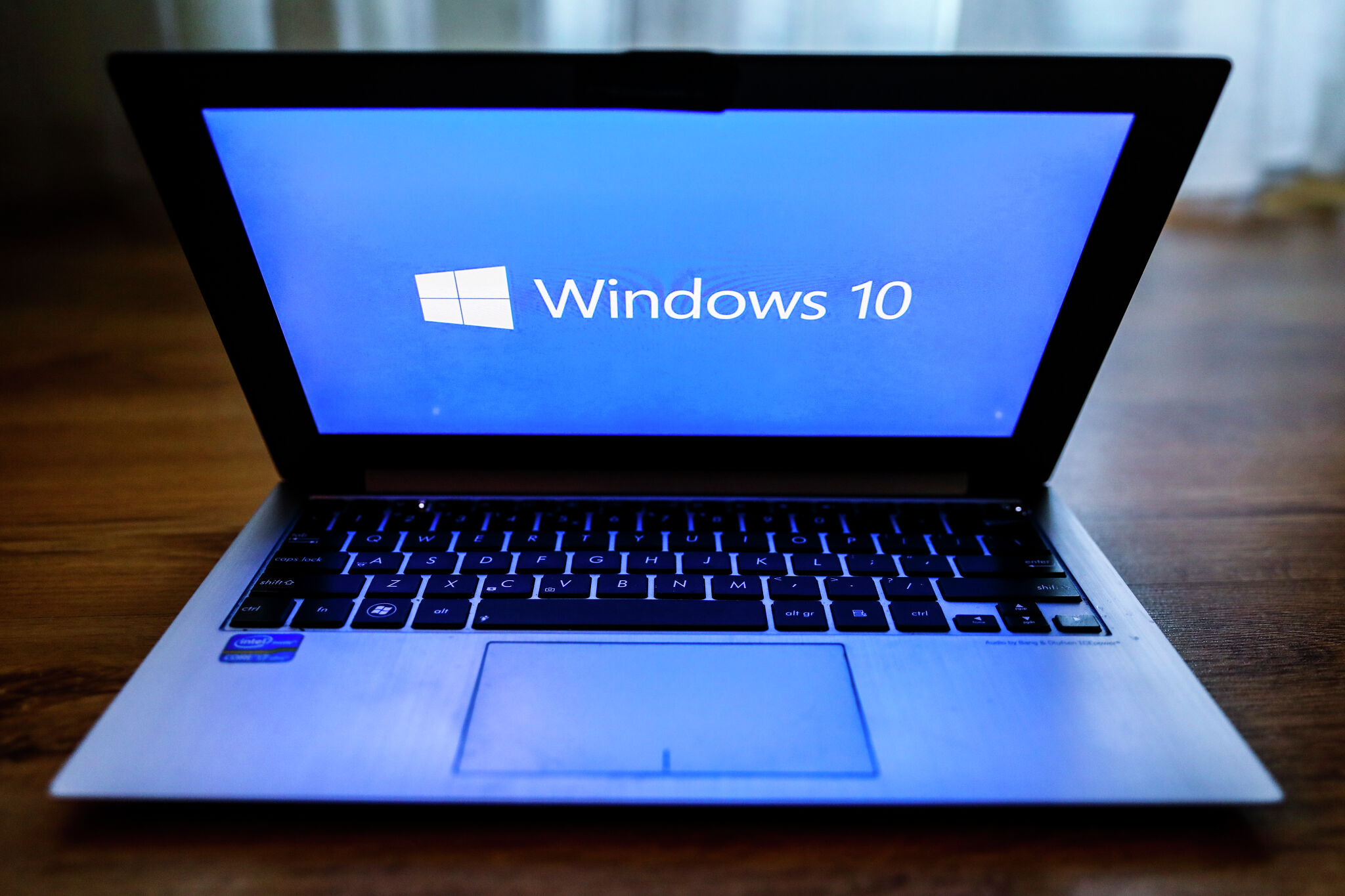
The article, a personal reflection on technological obsolescence, critiques the tech industry's business model of designing products with limited lifespans to drive continuous upgrades, using Microsoft's end-of-life support for Windows 10 as an example. It highlights how this strategy, which extends to rapid AI development cycles, generates e-waste and fosters a culture of impermanence. For institutional investors, this piece implicitly underscores a core revenue generation mechanism for many tech firms, while also raising long-term considerations regarding environmental impact, consumer sentiment, and potential regulatory scrutiny.
The article, while a personal reflection, implicitly critiques the tech industry's reliance on planned obsolescence, using Microsoft's (MSFT) end-of-life support for Windows 10 as a prime example. This strategy of designing products with limited lifespans is a core revenue generation mechanism, compelling continuous upgrades across software and hardware. This systematic impermanence ensures sustained consumer spending within the technology sector.
The rapid development cycles observed in Artificial Intelligence further exemplify this model, creating an urgent demand for new versions and potentially rendering prior iterations quickly outdated. This continuous innovation, while driving growth, also reinforces the cycle of replacement.
However, this business model carries long-term considerations for institutional investors, including growing environmental impact concerns related to e-waste and potential shifts in consumer sentiment towards disposability. These factors could eventually attract increased regulatory scrutiny, posing future risks to industry profitability and brand perception.
AI-powered research, real-time alerts, and portfolio analytics for institutional investors.
Request DemoOverall Sentiment
Neutral
Sentiment Score
0.00
Ticker Sentiment
