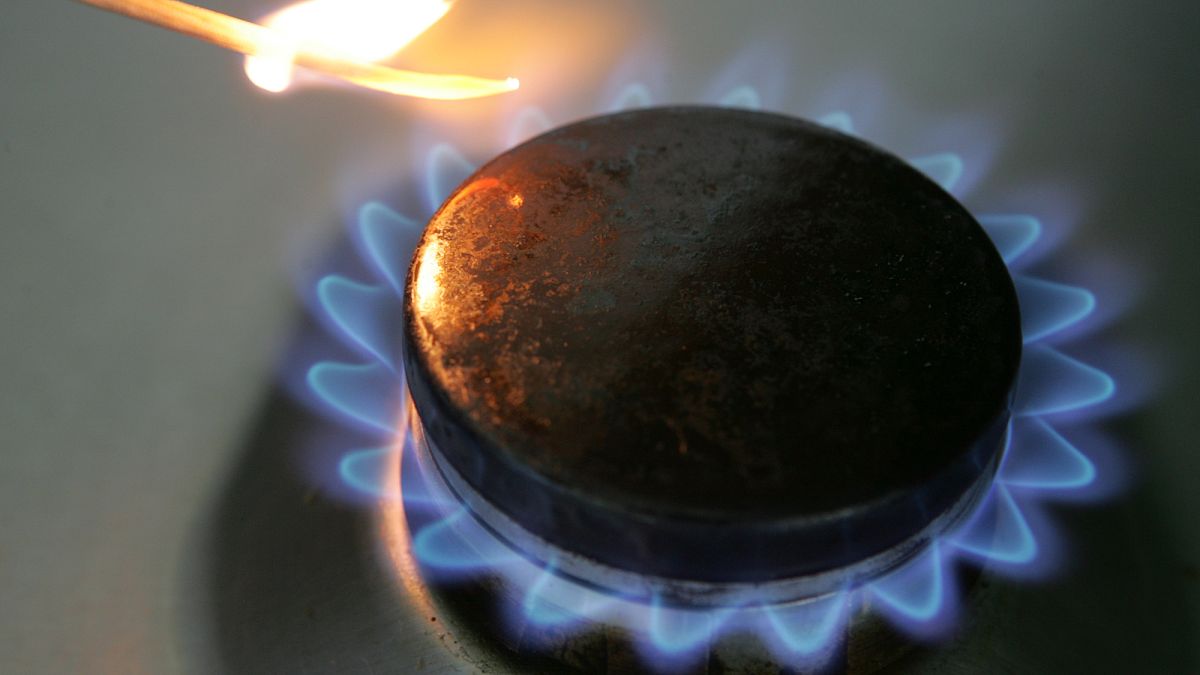
Dutch TTF gas prices have surged ~70% month-to-date from €38/MWh to €54/MWh, while EU storage sits at 28.4% (Netherlands 6.0%, Germany 22.3%, Italy 43.9%), raising risks of much higher summer TTF (Goldman Sachs Q2 forecast raised to €72/MWh; adverse scenarios >€89/MWh; severe scenarios >€100–€240/MWh). Goldman expects Euro-area headline inflation to jump to 2.7% YoY in March (from 1.89% in February) and peak ~3.2% in Q2 2026, prompting forecasts for ECB hikes (25bp in April and June to a ~2.5% deposit rate; adverse/severe scenarios imply 75–200bp of additional tightening). Goldman cut full-year euro-area GDP to 0.7%, signalling heightened volatility and downside growth risk that will be uneven across countries and sectors (energy, utilities, transport, insurers, and sovereigns most exposed).
The immediate winners are nodes that control routing and storage optionality rather than commodity producers: LNG terminal owners, charter owners of LNG carriers and short-cycle suppliers who can re-direct cargoes. Expect freight and charter rates to re-price materially as cargo patterns shift away from Asia to Europe; that induces a multi-month uplift in shipping earnings and in insurers' premiums for Gulf-to-Med voyages, but also forces marginal buyers (Asian utilities, trading houses) into bidding contests that amplify spot volatility.
At the macro level, the shock tightens real policy space and accelerates front-loaded rate hikes in the euro area, compressing duration and equity multiples while creating idiosyncratic winners among low-power-intensity firms and renewables owners. Corporates with long-dated power purchase agreements and diversified fuel sources will see cheaper relative funding than energy-intensive peers; expect credit spreads on manufacturers and transport firms with large gas exposure to widen over quarters if energy passes through to services.
Time horizons matter: expect acute volatility and tactical dislocations over weeks-to-months as storage cycles are refilled and cargos reallocate, but strategic winners (new regas capacity, FSRU providers, LNG shipping fleets) get multi-year tailwinds if supply repairs are protracted. Reversal catalysts include a rapid diplomatic/technical fix, a sustained demand shock in Asia, or stepped-up US liquefaction capacity and tanker availability; monitor cargo nomination patterns and charter rates as leading indicators for when to exit tactical positions.
AI-powered research, real-time alerts, and portfolio analytics for institutional investors.
Request DemoOverall Sentiment
moderately negative
Sentiment Score
-0.60
Ticker Sentiment
