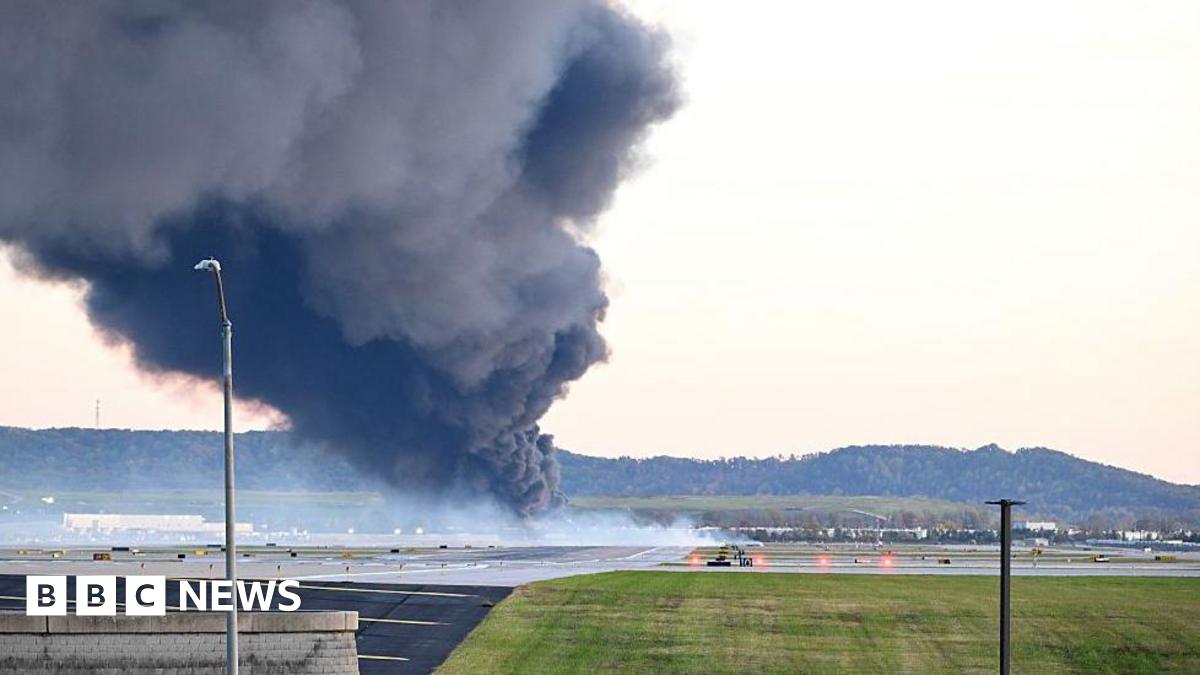
A UPS-operated MD-11F crashed in Kentucky after an engine separated during takeoff, killing 15 (three crew and 12 on the ground); NTSB updates identify fatigue cracks in the engine mounting assembly and bearing. Investigators say Boeing had previously found the same part failed on four occasions and issued a non-mandatory 2011 service letter recommending five-year visual inspections and an optional revised bearing, having concluded the issue "would not result in a safety of flight condition." The development raises regulatory scrutiny, potential liability and reputational risk for Boeing as the NTSB investigation continues and could influence investor sentiment and aftermarket parts/service exposure.
Market structure: The immediate losers are Boeing (BA) and UPS (UPS) equity and credit — expect 5–15% headline-driven downside in BA equity and a 25–75bp one-off widening in BA CDS/bond spreads if litigation headlines accelerate. Winners are aftermarket/MRO specialists (HEI, AIR) who will see a 1–3 quarter spike in inspection and retrofit revenue, and insurers/reinsurers with higher near-term loss accruals but potential premium repricing upside. Cross-asset: equity IV and single-name CDS will spike; Treasuries may get a 5–15bp bid on safe-haven flows; jet fuel and commodity drivers unchanged.
Risk assessment: Tail risks include regulatory ADs forcing expedited inspections/groundings (weeks–months), large class-action settlements or criminal probes (6–24 months), or a cascade of fleet groundings amplifying operational losses for operators. Immediate (days) risk: headline-driven volatility and margin calls; short-term (months) risk: reserve builds and warranty costs; long-term (years) risk: sustained orderbook re-ratings and higher funding costs if governance reforms slow deliveries. Hidden dependencies: BA’s spare-parts revenue and supplier concentration (single-source bearings) and UPS’s insurance recoveries/policy limits.
Trade implications: Tactical short BA exposure via defined-risk option structures (3-month put spreads) and pair trades long HEI/AIR vs short BA equity to rotate into aftermarket revenue; consider buying BA credit on spread dislocations >150bp vs Treasuries for carry if comfortable with governance risk. Size trades small (1–3% NAV each), enter within 1–10 trading days while IV is elevated, and plan exits on NTSB interim findings (~30–90 days) or a 20% adverse move.
Contrarian angles: Markets may overprice existential risk to Boeing — balance sheet and defense backlog limit bankruptcy probability, so deep-credit dislocation (>200bp spread widening) is a buy-on-dip for income investors. Historical parallel: 737 Max sell-off rebounded materially after multi-quarter remediation; unintended consequence: sustained regulatory scrutiny could create a multi-year aftermarket tailwind benefiting HEI/AIR by +5–10% revenue CAGR vs consensus. If NTSB final report clears systemic design vs maintenance, expect mean reversion in BA equity within 6–12 months.
AI-powered research, real-time alerts, and portfolio analytics for institutional investors.
Request DemoOverall Sentiment
moderately negative
Sentiment Score
-0.50
Ticker Sentiment
