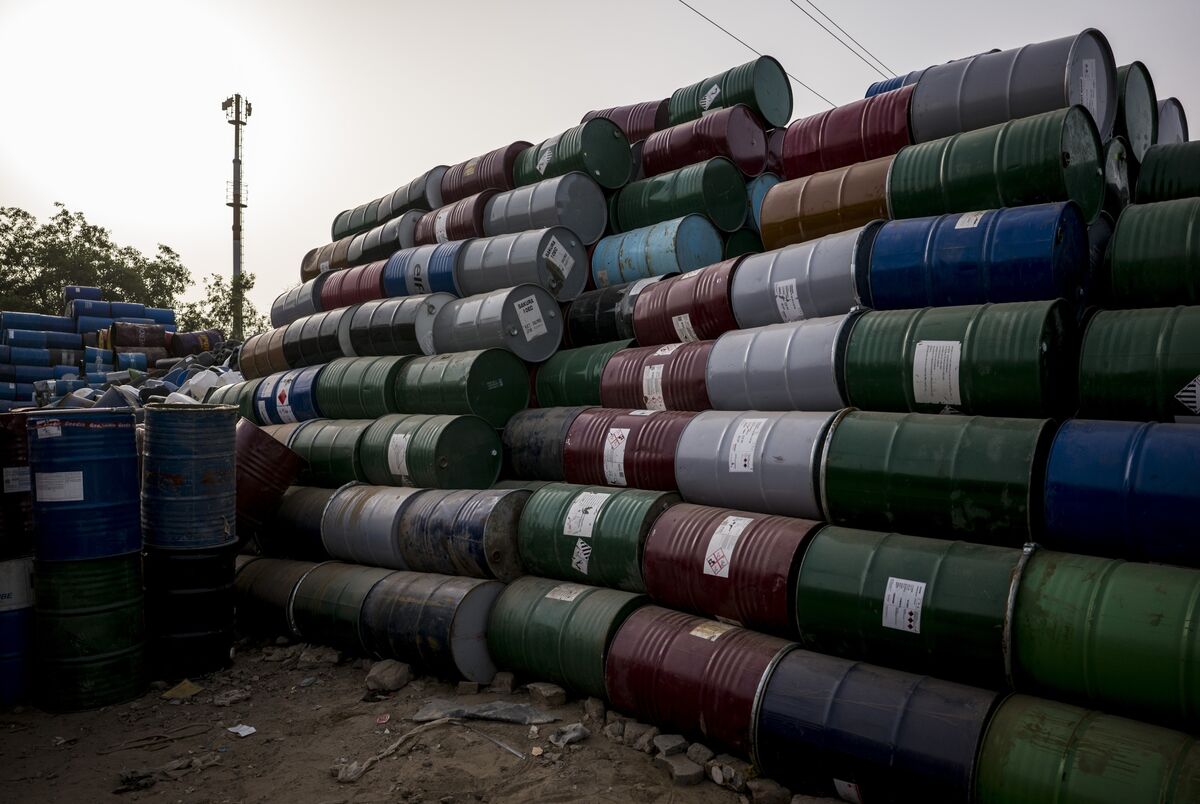
Brent crude steadied below $64/bbl and WTI was near $60 after Brent posted its first back-to-back weekly gain since August, as traders weighed India’s continued purchases of Russian crude against Ukrainian attacks on Russia’s energy infrastructure. Moscow has pledged “uninterrupted shipments of fuel” to India, a point likely to be raised as US negotiators visit New Delhi for trade talks, leaving oil markets attentive to supply risk, demand from a major emerging market, and possible geopolitical or sanctions-driven disruptions.
Market structure: India stepping into discounted Russian barrels is a winner for Russian producers and trading/tanker intermediaries while pressuring benchmark Brent downside near-term; refiners configured for heavy/sour crude (e.g., PBF, VLO) gain feedstock cost advantage. Pricing power will bifurcate — heavy/sour differentials tighten to Asia/India buyers while light sweet markets (WTI/Brent sweet grades) remain supported by Western embargoes, implying wider quality spreads (Urals vs Brent) of $4–$8/bbl over next 1–3 months.
Risk assessment: Tail risks include sudden secondary sanctions on insurers/owners moving Russian oil (high impact, <20% prob) or a major escalation of Ukraine strikes that disables Russian export terminals (10–15% prob) which would spike freight and crude prices >$10/bbl in days. Immediate (days) volatility will track strike headlines and EIA stocks; medium-term (3–6 months) outcomes hinge on US–India diplomatic pressure and OPEC+ supply moves; long-term (6–24 months) depends on permanent rerouting/capacity shifts and marginal capex.
Trade implications: Tactical 3–9 month plays: favor tanker/shipping exposure and refiners with heavy-sour capability, hedge with crude call spreads to capture upside if strikes tighten supply. Use options around event windows (U.S.–India talks within 30 days, weekly EIA) to buy volatility; be cautious on integrated majors (XOM, CVX) which have lower leverage to refining margin moves.
Contrarian angles: Market may underprice the frictions of rerouting (insurance, sanctions, port slots) which could raise freight by 20–50% and narrow the apparent discount of Russian barrels; consensus that India absorbs all volumes is optimistic. Historical parallels: 2012–14 sanctions-era rerouting raised tanker rates and refined product cracks unexpectedly; a misread here could flip a bearish Brent view to a short-squeeze within 2–8 weeks.
AI-powered research, real-time alerts, and portfolio analytics for institutional investors.
Request DemoOverall Sentiment
neutral
Sentiment Score
0.08
