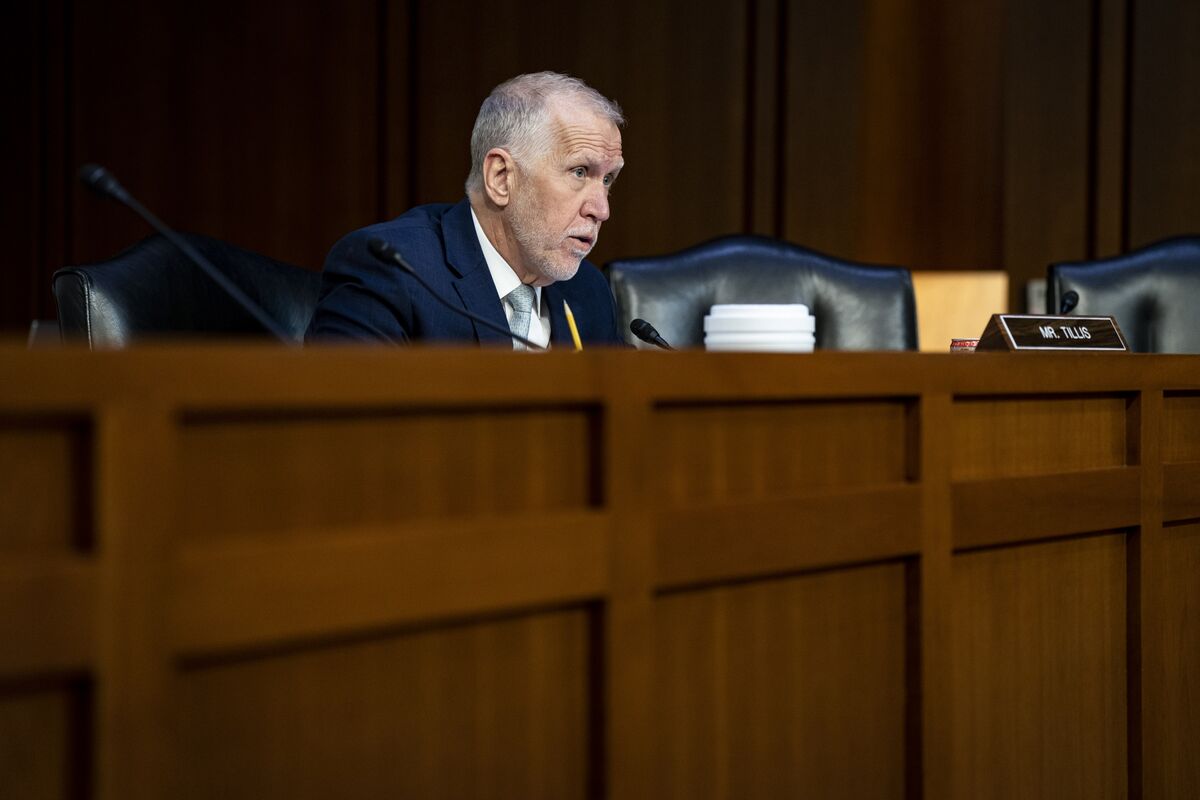
Republican Senator Thom Tillis anticipates a delay in the implementation of Section 899, also known as the "revenge tax," within President Trump's tax and spending bill. This expectation stems from significant opposition from Wall Street and businesses concerning the tax's potential impact on companies operating in certain foreign countries, which was initially slated to take effect on January 1 if the bill passes this summer.
Republican Senator Thom Tillis has indicated an expected delay in the implementation of Section 899, termed the "revenge tax," a component of President Donald Trump's proposed tax and spending legislation. This anticipated postponement, from its original January 1 effective date (contingent on the bill's passage this summer), stems from considerable opposition voiced by Wall Street and various businesses concerned about its impact on companies operating in specific foreign countries. The sentiment surrounding this development is 'moderately positive' (score 0.45), suggesting that market participants view a delay favorably, likely due to the perceived negative consequences of the tax. However, the 'uncertain' tone reflects that this is an expectation rather than a confirmed legislative change. The moderate market impact score (0.45) underscores the financial relevance of this tax provision and the implications of its potential deferral for affected multinational corporations and investment strategies.
AI-powered research, real-time alerts, and portfolio analytics for institutional investors.
Request DemoOverall Sentiment
moderately positive
Sentiment Score
0.45
