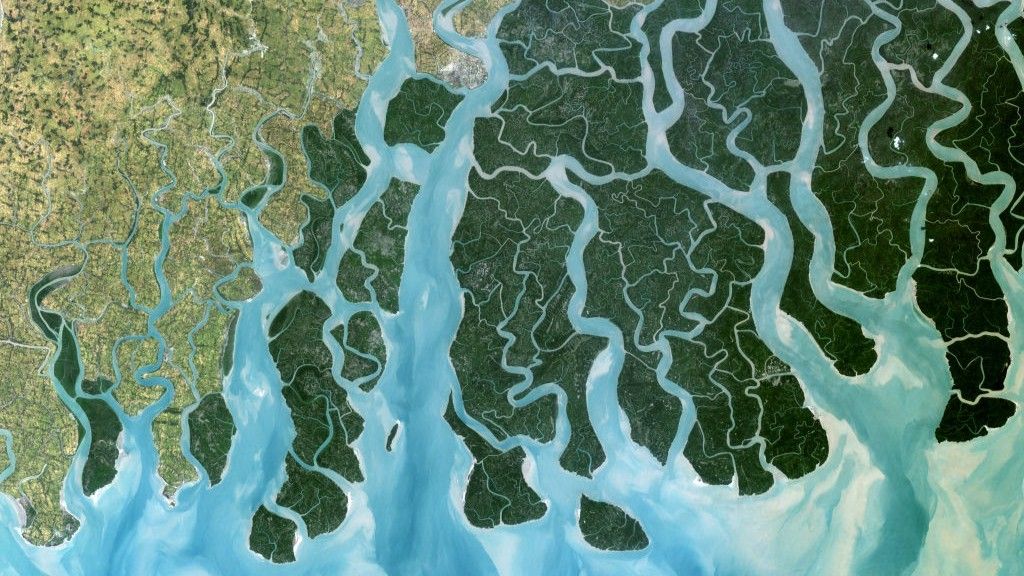
A Sentinel-1 satellite study of 40 major river deltas (2014–2023) finds 18 deltas sinking faster than current global sea-level rise (~4 mm/yr), with worst-affected deltas subsiding at ~8 mm/yr; 38 deltas saw more than 50% of their area sink and 19 deltas had over 90% of their area subsided. Groundwater extraction is identified as the dominant anthropogenic driver, with urban loading and reduced sediment delivery from dams also contributing, threatening ports, real estate and vital infrastructure that serve 350–500 million people and ten megacities. The study implies material long-term risks for insurers, coastal infrastructure investors and trade logistics, while highlighting actionable mitigations such as reduced groundwater pumping, aquifer replenishment and sediment diversions.
Market structure: Delta subsidence shifts value toward engineered solutions (flood defenses, dredging, desalination, water management) and away from low-elevation real estate, coastal agriculture and under-capitalized municipal services. Expect re-pricing: engineering firms and specialty contractors win multi-year, inflation-indexed contracts; local developers and insurers in Bangladesh, Vietnam, Egypt face margin compression and rising claims costs within 1–5 years.
Risk assessment: Tail risks include rapid sovereign stress from mass displacement (EM sovereign spreads widening >200bp within 12–36 months) and sudden regulatory bans on groundwater pumping that strand agricultural borrowers. Near-term (days/weeks) market moves will be limited; medium-term (6–24 months) is when contract awards, insurance repricing and capex flow; long-term (3–10 years) structural supply shifts (lost arable land, port relocations) occur.
Trade implications: Direct equity winners: water-tech (XYL), multi-disciplinary engineering (J, ACM) and niche dredgers (GLDD); losers: delta-heavy local developers/REITs and small insurers in affected countries. Cross-asset: expect widening EM local-currency spreads (EMLC sensitive), higher catastrophe reinsurance rates supporting reinsurers pricing power, and upward pressure on construction materials and metal inputs (cement, steel) for defense works.
Contrarian angles: Consensus underestimates enforceable, low-cost fixes (aquifer recharge, sediment diversions) that can cap long-term market size for mega-defenses — so avoid overpaying for perpetual-growth narratives. Historical parallels (Netherlands, Venice) show staged adaptation rather than wholesale abandonment; investors should prefer scalable engineering services over single huge “mega-project” bets.
AI-powered research, real-time alerts, and portfolio analytics for institutional investors.
Request DemoOverall Sentiment
moderately negative
Sentiment Score
-0.50
