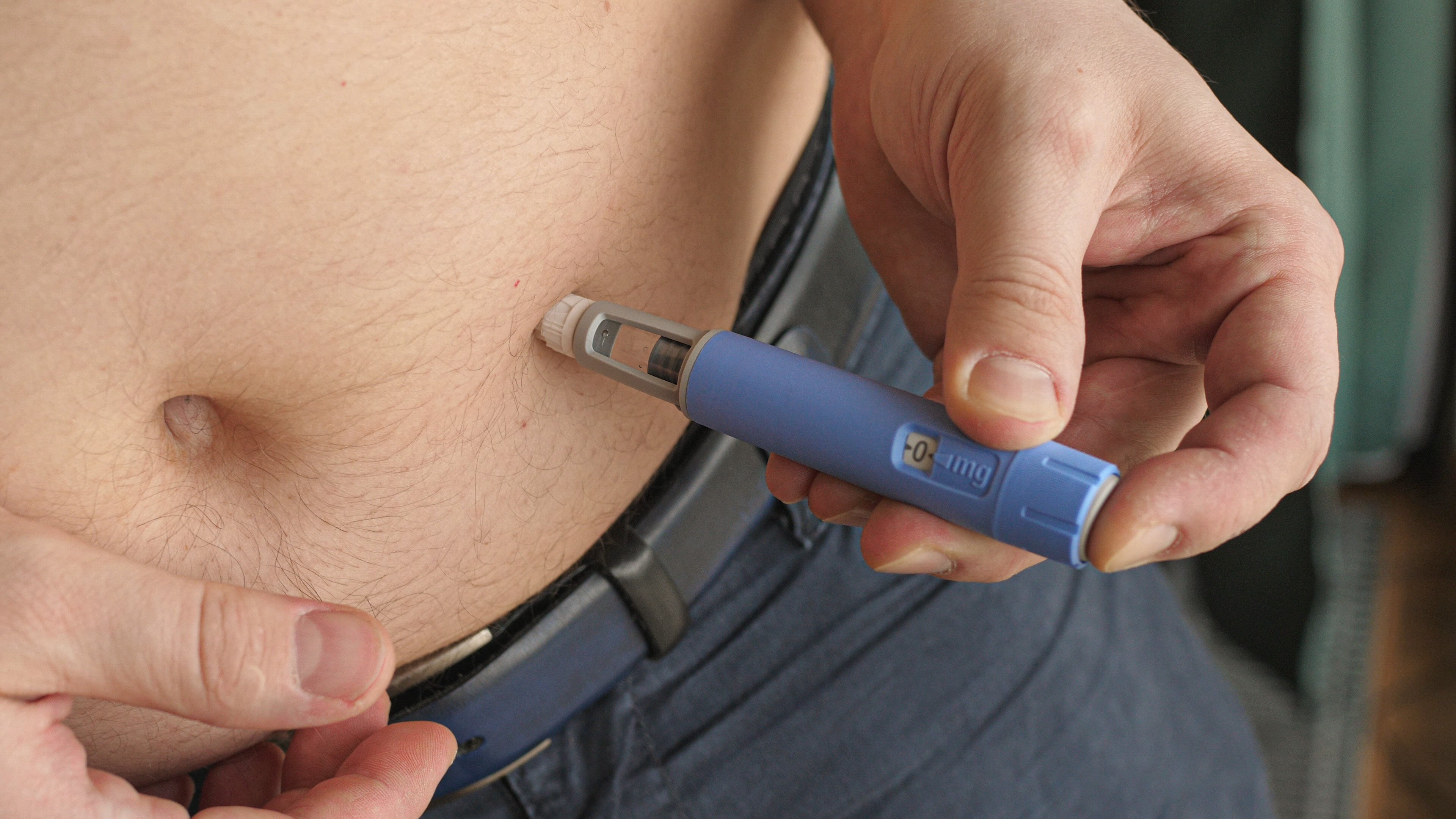
Eli Lilly cut out-of-pocket prices for Zepbound single-dose vials to $299–$449/month from $349–$499 on Dec. 1 and will offer the drug via its online platform, following government deals to lower costs for Medicare and Medicaid patients. The company reported Q3 revenue of $17.6 billion (+54% y/y) and adjusted EPS of $7.02 (+495% y/y), and management argues lower cash prices should expand access and volume while defending share versus Novo Nordisk. Pipeline catalysts — oral orforglipron and highly efficacious retatrutide (topline expected before year-end) — together with AI investments and local manufacturing to mitigate tariffs, support the thesis that Lilly’s growth trajectory remains intact despite the price cut and near-term stock volatility.
Market structure: The Zepbound price cut (from $349–499 to $299–449/mo) shifts the cash-pay segment from a margin-rich but adoption-limited model toward volume-led growth. Winners: LLY (scale, pipeline converting newly reachable patients), payers and uninsured patients; losers: smaller GLP-1/obesity pure-plays without scale or integrated payer access. Expect 10–30% incremental cash uptake within 6–12 months if payer spillover occurs, which will blunt near-term ASP but preserve unit share versus NVO.
Risk assessment: Tail risks include aggressive Medicare/Medicaid price caps or mandatory rebate expansions (5–15% probability next 12–24 months), or pivotal failure for retatrutide/orforglipron (10–20% each). Immediate impact (days) is sentiment-driven volatility, short-term (weeks–months) sees revenue mix shifts and margin compression, long-term (quarters–years) depends on retatrutide topline (expected before year-end) and orforglipron commercialization. Hidden dependency: future payer formularies will dictate realized price and volume — CMS negotiations could swing modeled TAM by +/-30%.
Trade implications: For investors bullish on pipeline, asymmetric long exposure is preferred: establish 2–3% equity positions or buy 12–24 month LEAP calls (target 50-delta) to capture upside from retatrutide/topline catalysts while capping downside. Consider a relative value pair: long LLY (2%) vs short NVO (1–1.5%) for 6–12 months to express confidence in LLY’s next-wave drugs; trim if LLY/NVO spreads tighten >15% or after topline outcomes. Reduce small-cap GLP-1 exposure by 40–60% — incumbents will compress prices and distribution economics.
Contrarian angles: The market is underpricing demand elasticity — modest ASP cuts can expand TAM materially, not just compress margin; if LLY converts an extra 20–40% of self-pay patients, EPS dilution could be offset within 4–8 quarters. Conversely, consensus may be complacent about payer leverage: repeated price concessions could reset long-term pricing expectations and compress the sector multiple (LLY at 33.3x forward vs healthcare 18.2x), so validate positions against CMS/payer signals and retatrutide data.
AI-powered research, real-time alerts, and portfolio analytics for institutional investors.
Request DemoOverall Sentiment
moderately positive
Sentiment Score
0.45
Ticker Sentiment
