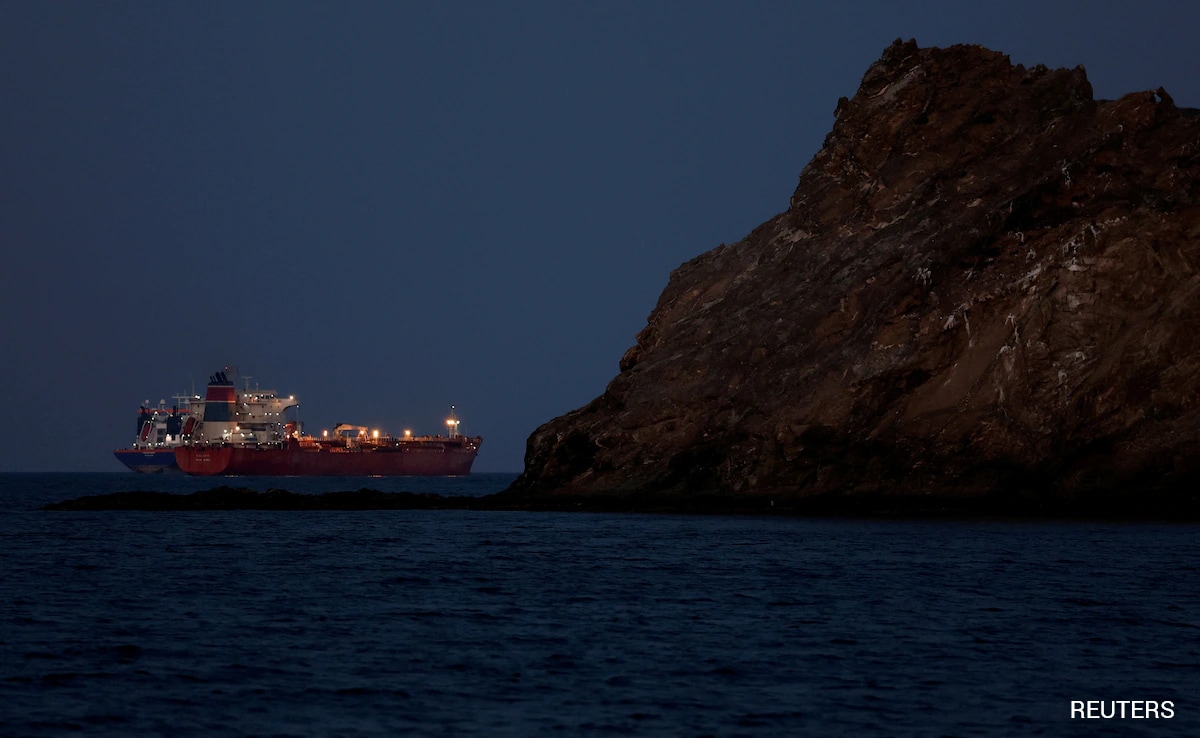
Traffic through the Strait of Hormuz has fallen by over 90%, threatening roughly one-third of global raw fertiliser material shipments and about 20% of global gas flows. Nitrogen-based fertilisers are up ~30% and Egyptian urea has jumped from ~$484/tonne to ~$780/tonne (+~61%); Qatar's largest urea plant (QAFCO) has been offline nearly a month and hundreds of fertiliser ships are queued. The disruption risks production shutdowns at Gulf fertiliser complexes and a major food-security shock for vulnerable importers (e.g., Malawi sourced 52% of its 2024 fertiliser from the Gulf).
The immediate arbitrage is in producer margin capture and freight/insurance repricing rather than fundamentals of farmer demand. With seaborne corridors impaired, merchant inventories and short-term spot contracts become the marginal supply — that amplifies cash price volatility and gives uncontracted producers and traders (and charter owners) the ability to convert a transient price shock into multi-quarter EBITDA upside. Rough model: a sustained $100/tonne uplift in nitrogen product prices can translate into several hundred million dollars of incremental EBITDA across the top global nitrogen producers over a 12-month window, before downstream demand response kicks in.
Second-order macro links make this more than a commodities story: higher fertiliser input costs compress farm margins, which historically drives either acreage shifts (to lower-input crops), reduced application rates in the current season, or elevated grain imports by import-dependent countries — each path feeds different asset plays (grain longs, EM FX stress, or agricultural equipment demand drops). The critical operational timing is the planting/application cycle: if disruption persists into the next 60–120 day planting window for major crops, expect a 3–9 month lagged effect on grain supply, food inflation, and associated political risk in vulnerable importers.
Key catalysts that will re-rate positions are binary and fast: (1) shipping corridor/insurance normalization (days–weeks), (2) emergency government releases or export curbs (days–weeks), and (3) production restarts or alternative supply routing/charters ramp (weeks–months). The contrarian risk is meaningful: price overshoot could trigger demand destruction and substitution (reduced application, crop switching, drawdown of on-farm stocks), producing a rollback of fertiliser prices 6–12 months after the spike — so exposures should be timed to capture margin capture but hedged against a post-planting demand collapse.
AI-powered research, real-time alerts, and portfolio analytics for institutional investors.
Request DemoOverall Sentiment
strongly negative
Sentiment Score
-0.70
