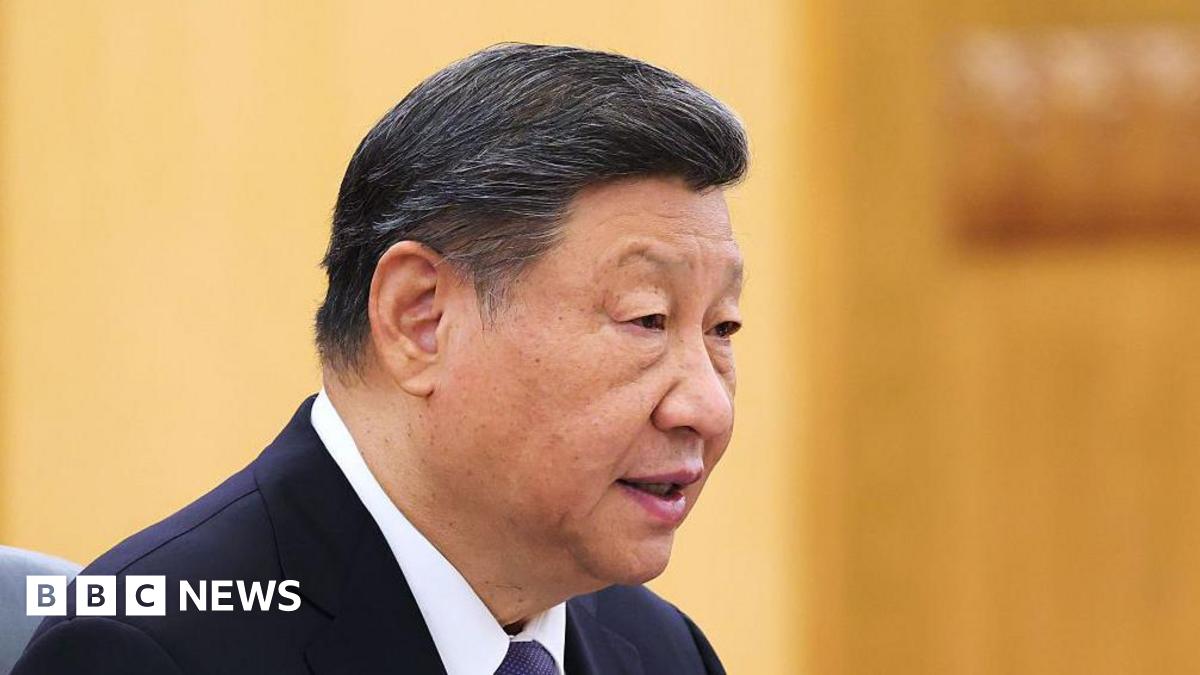
China has backed a Pakistan-drafted five-point peace plan to mediate the month‑old Israel–Iran war, positioning Beijing as a neutral broker ahead of high-level US–China talks. China purchases around 80% of Iranian oil and has stockpiles sufficient for the next few months, while its exports to the Middle East grew nearly 2x faster than to the rest of the world last year — meaning a protracted energy shock would materially hit Chinese exporters and global supply chains. Limited regional military presence (China's closest base is in Djibouti, established 2017) and political alignments constrain Beijing's leverage; successful mediation would ease oil-price upside, but failure risks broad market and energy-price disruption.
China’s diplomatic push is best viewed as a volatility-compression trade rather than a durable derisking of regional supply risk. If Beijing’s initiative gains even modest traction within 4–8 weeks, market risk premia tied to insurance costs, tanker time-charter equivalents (TCEs) and short-term physical differentials could decline by 20–40%, unlocking a rapid retracement in Brent from knee-jerk spikes.
Conversely, the mediation has low capacity to alter fundamental chokepoints: the practical options are limited to temporary de-escalation or protracted low-intensity disruption. A failed diplomatic window (days–weeks) risks a discrete upside shock of $20–30/bbl within 30–90 days as cargoes are rerouted, insurance surcharges spike and strategic stock releases prove insufficient.
Second-order winners differ by timeframe: shipping owners and charter markets capture immediate upside on route disruption (weeks–months), select energy producers and integrated majors capture 6–12 month cashflow optionality, and EV/industrial supply chains see durable demand benefits from sustained fuel price inflation beyond 12 months. The key asymmetric hedge is optionality on oil: small, inexpensive long-tail protection buys insurance against the low-probability high-impact failure of diplomacy while tactical pairs can capture the event-driven compression if talks show progress.
AI-powered research, real-time alerts, and portfolio analytics for institutional investors.
Overall Sentiment
neutral
Sentiment Score
0.00
