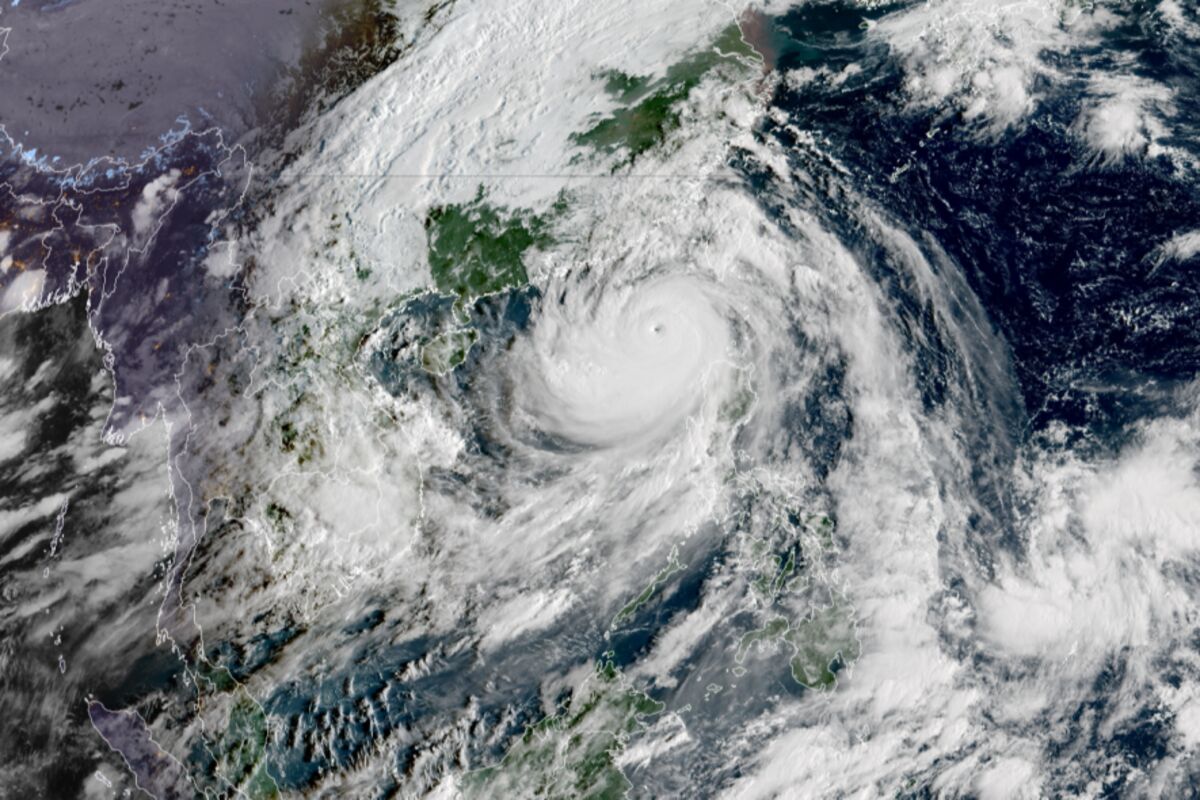
Super Typhoon Ragasa, packing sustained winds of 230 km/h (equivalent to a Category 4 hurricane), is tracking towards Hong Kong, posing the most significant threat to the financial hub since Typhoon Mangkhut in 2018. Located 510 km east-southeast of the city, its imminent arrival signals potential widespread disruption to business operations and financial markets in the region.
Hong Kong is facing a significant economic and operational threat from Super Typhoon Ragasa, which is tracking toward the financial hub with sustained winds of 230 km/h, equivalent to a Category 4 hurricane. The storm is being benchmarked against Typhoon Mangkhut from 2018, which caused widespread damage and disruption, setting a severe precedent for the potential impact. The system's proximity, at 510 km from the city, signals an imminent and near-certain shutdown of the city's financial markets, including the stock exchange, alongside other commercial activities. The strongly negative sentiment score (-0.8) and high market impact score (0.7) underscore the market's expectation of significant, albeit temporary, economic paralysis and potential asset damage, which will be a key focus for investors upon the market's reopening.
AI-powered research, real-time alerts, and portfolio analytics for institutional investors.
Request DemoOverall Sentiment
strongly negative
Sentiment Score
-0.80
