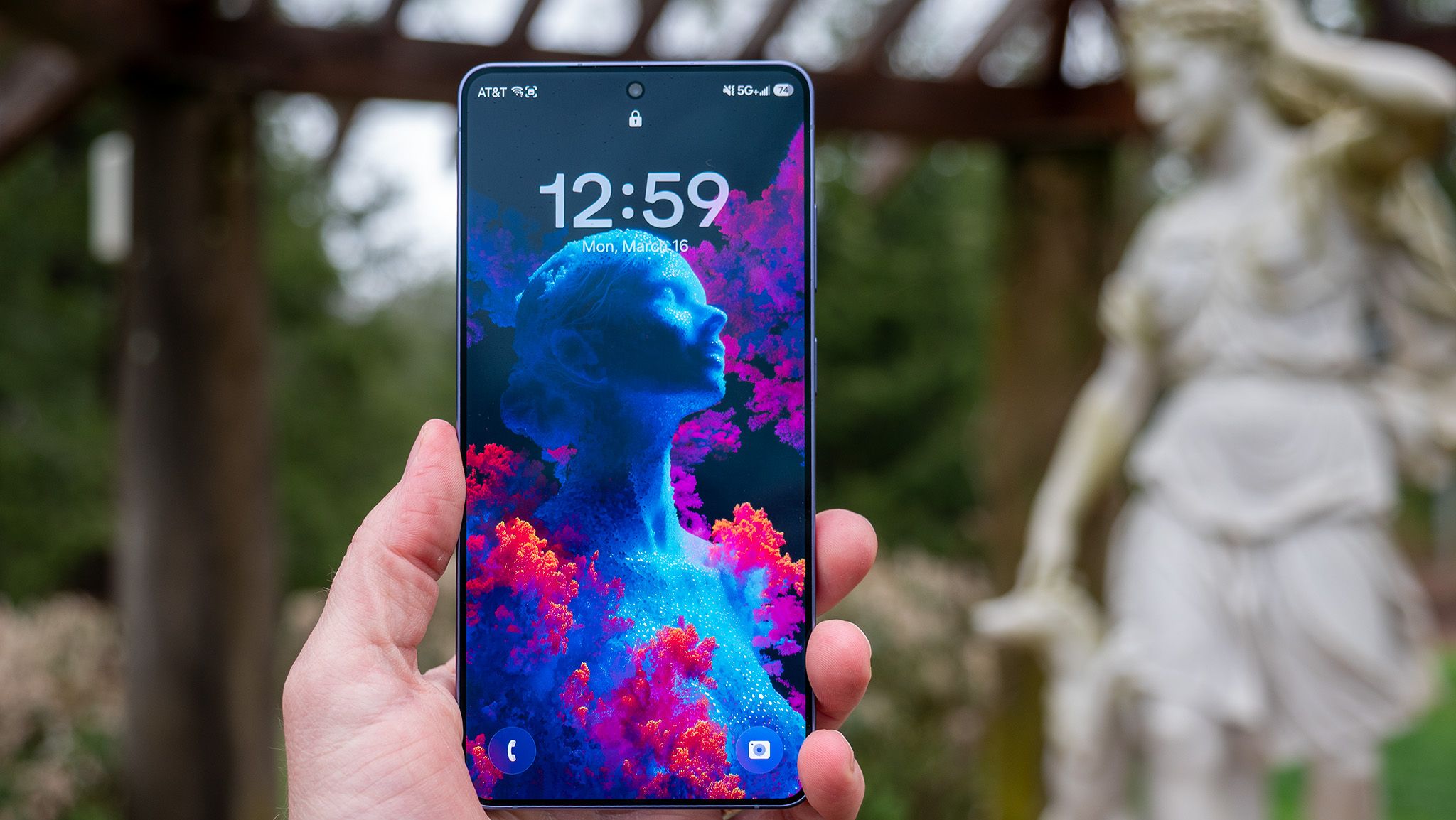
Verizon is offering $1,300 in promo credits — effectively a free Samsung Galaxy S26 Ultra (256GB, $1,299.99) — when a customer adds a line on its Unlimited Ultimate plan. The Unlimited Ultimate plan starts at $90/line for a single line, includes unlimited 5G Ultra Wideband, mobile hotspot, coverage in 215+ countries, and a three-year price guarantee; customers still pay a $40 activation fee. The promotion directly targets T‑Mobile's competing S26 Ultra deal (reportedly ending April 1) and could drive incremental postpaid line additions, but is unlikely to move Verizon's stock materially absent larger subscriber or ARPU impacts.
Carriers are using handset promotions as a lever to re-shape subscriber mix toward higher-tier plans and longer device-financing relationships; the immediate second-order beneficiary is the carrier with the largest scale in retail distribution and post-paid billing, which can amortize subsidy economics across a bigger ARPU base. Expect T-Mobile to face asymmetric margin compression versus the incumbent with deeper enterprise and wholesale footprints, forcing either response promotions or margin reinvestment into retention initiatives over the next 3–9 months.
On the supply side, reduced dependence on trade-in exchange flows tightens the pipeline of refurbished handsets, mechanically supporting resale prices and improving gross margins for specialists in refurbishment and secondary-market distribution. That supply shock should show up in used-device pricing and higher resale yields within two quarters, creating an earnings tailwind for listed refurbish/resale exposures and for OEMs that capture more new-device sales.
Financial plumbing effects matter: larger device subsidies increase receivable volumes and lengthen amortization schedules for carrier captive finance programs, shifting risk into ABS markets and near-term free cash flow. Monitor securitization yields and delinquencies — a deterioration would be an early sign the promotion is dilutive rather than accretive, with impact visible in next two quarterly results.
The main downside catalysts are consumer upgrade fatigue and swift competitor retaliation that turns customer acquisition into a subsidy war; regulatory attention on tying promotions to expensive plans is a lower-probability but high-impact tail risk that could force carriers to unbundle offers within 6–18 months.
AI-powered research, real-time alerts, and portfolio analytics for institutional investors.
Request DemoOverall Sentiment
mildly positive
Sentiment Score
0.25
