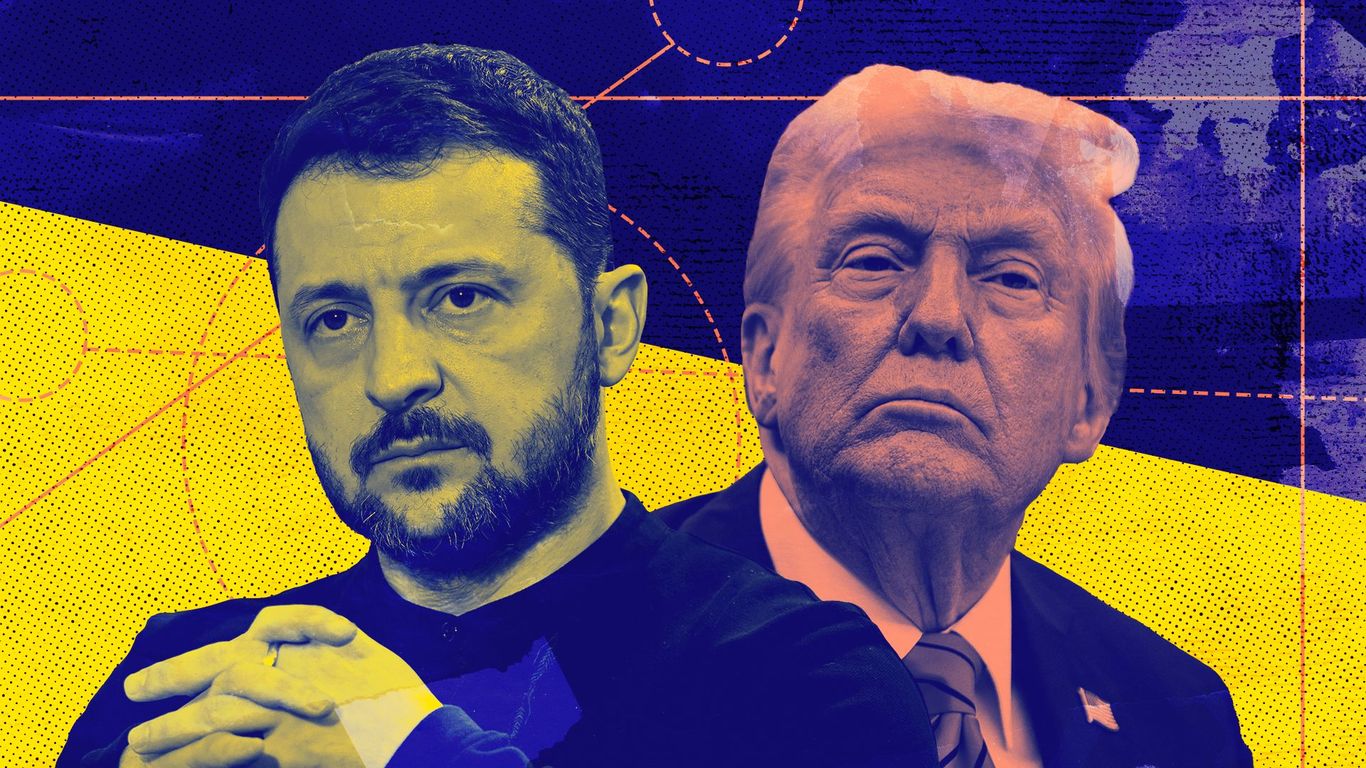
President Trump has directed the Department of Defense to send defensive weapons, including 10 Patriot interceptors, to Ukraine, reversing a prior pause in shipments. This decision follows recent productive discussions with Ukrainian President Zelensky, though Trump remains reluctant to deplete U.S. stockpiles and is simultaneously pressing Germany to supply its own Patriot battery, potentially with allied cost-sharing. The move underscores broader NATO concerns about dwindling munitions and production rates, signaling a calibrated U.S. approach that balances support for Ukraine with strategic resource management and increased burden-sharing demands on European allies.
The Trump administration has reversed its pause on military aid to Ukraine, authorizing the shipment of defensive weapons, including an immediate dispatch of 10 Patriot interceptors. This decision, however, represents a calibrated policy rather than an unconditional commitment, as the quantity is less than previously planned and is accompanied by significant pressure on European allies to increase their contributions. President Trump is actively pushing Germany to provide a Patriot battery from its own arsenal, proposing a cost-sharing arrangement among allies, which signals a firm U.S. stance on burden-sharing. This approach is framed by a critical logistical constraint affecting all of NATO: advanced munitions, particularly interceptors, are being consumed in conflicts faster than they can be produced, leading to concerns over depleted stockpiles. The policy shift appears influenced by recent diplomatic engagements, including a productive call with Ukrainian President Zelensky and growing frustration with Russian President Putin, indicating that the administration's actions are reactive and could remain fluid pending further negotiations.
AI-powered research, real-time alerts, and portfolio analytics for institutional investors.
Request DemoOverall Sentiment
mildly positive
Sentiment Score
0.25
Ticker Sentiment
