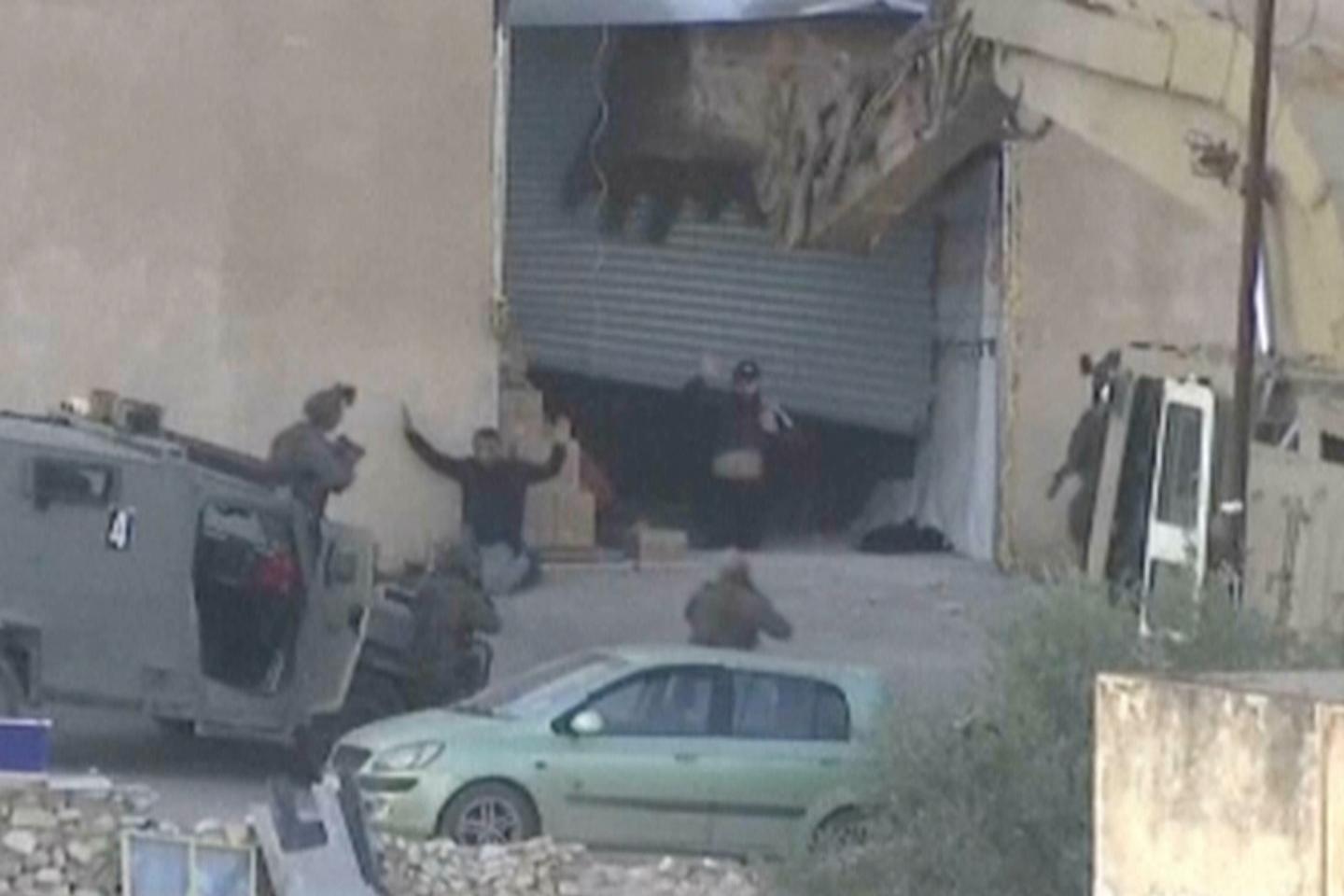
On Nov. 27 in Jenin, footage showed three Border Police officers shooting and killing two Palestinians who appeared to have surrendered after a house was breached by a bulldozer; the military opened an investigation but the three officers were released hours later after their account was deemed credible. The case prompted public praise from Israel's far-right national security minister and raises domestic political and legal risk, with potential to heighten regional geopolitical tensions and influence investor sentiment around Israeli sovereign and defense-related exposures.
Market structure: Immediate winners are defense contractors and ETFs (Elbit Systems ADR ESLT; iShares U.S. Aerospace & Defense ETF ITA) as governments reprioritize security spending; expect defense equities to outperform broad markets by ~5–15% over 3–6 months if violence persists. Clear losers: travel & tourism (U.S. Global JETS ETF JETS, airline names), Israeli tourism-facing equities and small-cap Israeli tech in the near term (1–8 weeks) with downside of 3–10% from demand shock and higher insurance/capex. Cross‑asset effects: safe-haven flows should bid gold (GLD +3–7% in weeks) and core sovereign bonds (U.S. 10y down 10–30bps) while oil risks skew to the upside—Brent +5–15% if conflict spreads to maritime choke points.
Risk assessment: Tail risks include rapid regional escalation (Iran/Hezbollah opening a second front) or major cyberattacks that disrupt supply chains—low probability but would drive oil >$110/bbl and equity drawdowns >10% in 1–4 weeks. Time horizons: days—risk off and FX volatility; weeks—contract announcements and defense stock repricing; quarters—sustained budget shifts into defense capex. Hidden dependencies: U.S. congressional/aid flows and export controls that can materially alter procurement timelines and vendor revenues; watch U.S. policy signals as a 30–60 day catalyst.
Trade implications: Direct: establish 2–3% long position in ESLT (Elbit) and/or 2% in ITA for 3–6 months, scaling in over 3 trading days; hedge with a 1% long GLD position for 1–3 months. Relative: pair trade long ITA (2%) / short JETS (1.5%) to capture defense vs travel divergence; if implied vol rises, implement 3‑month ESLT call spreads (buy ATM, sell ATM+15%) to keep premium cost-contained. Entry/exit: scale into longs now; trim half if a verified multi-day ceasefire occurs within 7–14 days or if Brent breaches $110.
Contrarian angles: Consensus may underprice the speed and stickiness of procurement — if no wider escalation occurs, defense names could mean‑revert and be overbought; consider opportunistic buys in EIS (iShares MSCI Israel ETF) on >8% drawdown for 6–12 month mean reversion play. Monitor hard thresholds: if IDF mobilization >50k or Iran publicly retaliates within 30 days, rotate further into energy and long-dated bond hedges; conversely, if international legal/political constraints tighten within 60 days, cap gains-taking on defense exposures to avoid reputational/regulatory hits.
AI-powered research, real-time alerts, and portfolio analytics for institutional investors.
Request DemoOverall Sentiment
moderately negative
Sentiment Score
-0.50
