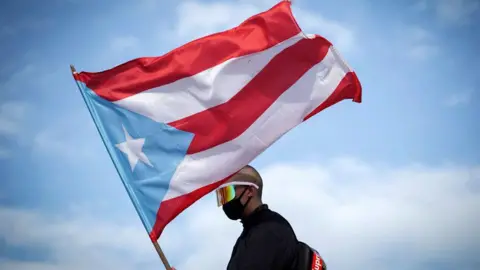
Puerto Rican superstar Bad Bunny will headline the Super Bowl LX halftime show, the first to be performed entirely in Spanish and expected to reach an audience that often exceeds 100 million US viewers; his outspoken stance on US immigration (including recent 'ICE out' remarks at the Grammys) has provoked conservative backlash and a competing Turning Point USA counter-broadcast. The NFL has publicly defended the selection as part of a strategy to broaden its Latino audience, but the polarized response carries reputational and advertising risk for the league and sponsors ahead of the event, with potential localized economic upside from his Puerto Rico-oriented residency and touring influence.
Market structure: This event asymmetrically benefits live-entertainment and music-rights owners (Live Nation - LYV, Spotify - SPOT, Warner Music - WMG) via immediate streaming, ticketing and merch demand while creating downside pressure on ad‑dependent linear broadcasters (FOX, CMCSA) if advertiser boycotts materialize. Expect short, sharp pricing power gains for Spanish‑language content (CPMs +5–15% in targeted buys) and limited supply (tour dates/residencies fixed), producing 1–7% upside moves in equities tied to streaming/touring over days–weeks.
Risk assessment: Tail risks include organized advertiser withdrawal causing 3–15% quarterly ad‑revenue hits to a broadcaster and reputational/legal escalation around protests; probability low but impact high. Time horizons: immediate (0–7 days) = streaming/rating spikes and implied‑volatility moves; short (1–3 months) = advertiser spend/earnings revisions; long (3–12 months) = structural uplift in Latino audience monetization. Hidden dependencies: NFL ad contracts, label distribution terms, and tour routing; catalysts: Nielsen ratings, Spotify daily charting, LYV ticket sales and Q1 guidance revisions.
Trade implications: Tactical plays favor long exposure to LYV/SPOT/WMG via short‑dated call spreads to capture spikes, and conditional shorts on broadcasters if >3 national advertisers publicly pause buys within 72 hours. Options implied vol for LYV/SPOT should rise intraday—consider buying 2–6 week call spreads and trimming into the first post‑game ratings print. Rotate overweight to Media & Entertainment, underweight ad‑heavy linear broadcasters for 1–12 months.
Contrarian angles: The market underestimates persistent cultural premium; if halftime drives a sustained +1–2% annual audience lift to NFL properties, music rights and live promoters could compound gains for 6–12 months (histor precedent: 2016 Beyoncé spike was transitory for broadcasters but structural for artist brands). Conversely, shorting networks is tail‑risky unless advertiser exits exceed a critical mass (>5–10 national brands) within 7 days.
AI-powered research, real-time alerts, and portfolio analytics for institutional investors.
Request DemoOverall Sentiment
neutral
Sentiment Score
0.00
