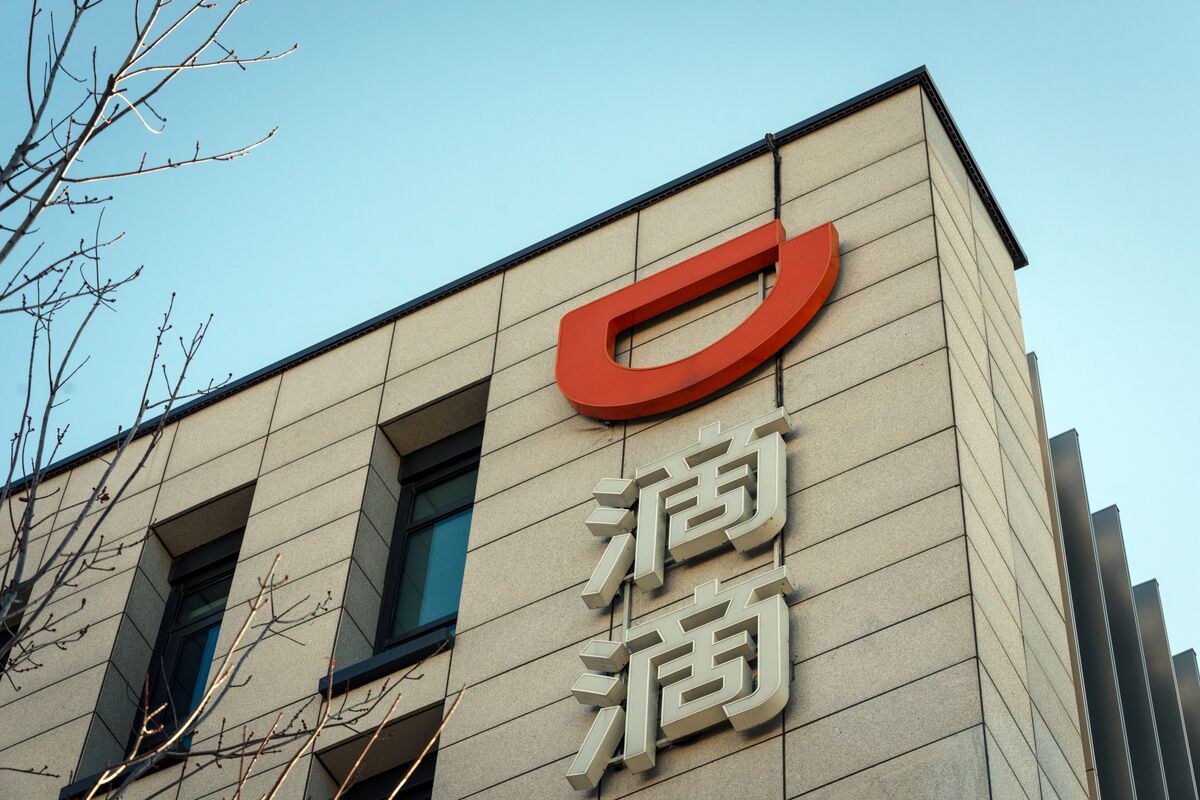
Didi Global reported a 67% quarterly increase in net income to 1.5 billion yuan ($212 million) in the September quarter, driven by strong momentum in China that offset losses in international markets. The upbeat earnings improve the company’s fundamentals and bolster prospects for a potential Hong Kong IPO, likely attracting renewed investor interest ahead of any listing.
Market structure: Didi’s 67% profit jump (Rmb1.5bn / $212m) signals stronger unit economics in China and implies incumbents and mobility-adjacent ecosystems (drivers, payments, local media) are net beneficiaries. Competitors with China exposure (Meituan 3690.HK) face a two-way dynamic—short-term sentiment tailwind from sector recovery but medium-term share-pressure if Didi aggressively re-prices rides; international players (UBER, GRAB) see limited direct upside and potential margin pressure in overlapping markets. Tightening ride utilization points to improving supply/demand balance in China—expect modest tightening in fuel demand (+0.2–0.5% regional oil demand) and a small CNY bid if HK IPO brings capital inflows over next 1–3 months.
Risk assessment: Main tail risks are regulatory rollback (new data/security or antitrust actions) and an IPO delay or conditioning—each can wipe out 20–50% of near-term IPO value; another tail is international losses widening if Didi restarts subsidies. Timeline: immediate (days) — sentiment swings on IPO chatter; short-term (weeks–3 months) — filings/approval and post-IPO flow; long-term (12–24 months) — structural profitability depends on driver economics and regulation. Hidden dependencies include reliance on Chinese local subsidies and incentive levels; catalyst set: HK filing date, CAC statements, Q4 China mobility metrics.
Trade implications: If HK IPO pricing implies <15x forward EV/EBITDA and P/S at least 20–30% below Meituan, consider a 2–3% long allocation to DIDI at issuance and scale out 6–12 months with a 25–40% upside target; otherwise avoid. Tactical longs: overweight Meituan (3690.HK) 1–2% on >5% dip over next 3 months, target +15–25% in 6–12 months, stop-loss 8%. Tactical shorts: small (0.5–1%) short of GRAB (GRAB) or LYFT (LYFT) on earnings misses or if Didi HK relist triggers aggressive promo pricing; use options to cap downside.
Contrarian angles: Consensus underweights the possibility Didi’s China franchise sustains positive margins without heavy subsidies—if true, IPO could be underpriced; conversely markets may underprice regulatory recurrence given 2021 precedent. Historical parallel: 2021 Chinese tech re-pricings show rapid sentiment reversals; an initial pop can be followed by regulatory-driven drawdowns of 30–50%. Unintended consequence: a smooth relisting could attract rapid capital flows that provoke tightened oversight, compressing multiples—size positions conservatively (<=3% each) until 60–90 days post-listing.
AI-powered research, real-time alerts, and portfolio analytics for institutional investors.
Request DemoOverall Sentiment
moderately positive
Sentiment Score
0.45
