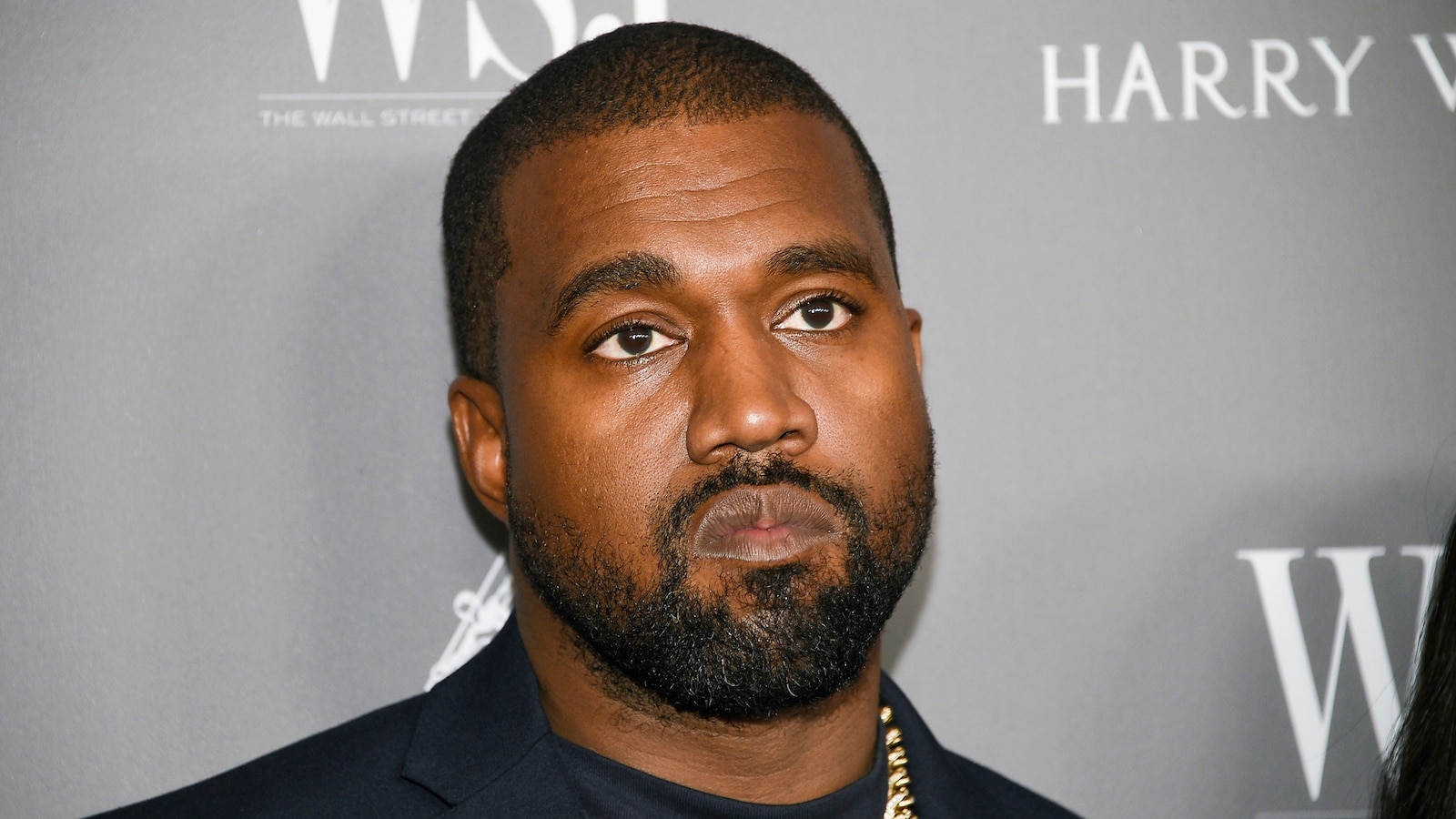
Wireless Festival was canceled after the U.K. Home Office blocked rapper Ye's Electronic Travel Authorisation, stating his presence 'would not be conducive to the public good.' Festival Republic will issue refunds to ticket holders; the cancellation follows backlash over Ye's antisemitic remarks and prior praise of Nazi imagery, creating reputational and potential financial exposure for the promoter (magnitude unspecified) and legal/regulatory risk for the artist.
The immediate financial pain will be concentrated on promoter economics, insurance flows and local hospitality demand rather than music consumption itself. For a large, diversified promoter the UK festival disruptions are likely a low-single-digit percentage hit to quarterly touring/revenue recognition but a disproportionate hit to near-term free cash flow because refunds, sponsor renegotiations and contingency payments are concentrated in short windows and often front-loaded.
A second-order regulatory risk is now actionable: immigration-based “public good” decisions create a non-price gating mechanism for live events across jurisdictions. That raises the probability that promoters will (1) demand larger force majeure and reputational clauses from headline acts, (2) shift booking strategies toward multiple smaller headliners to reduce single-artist concentration risk, and (3) force insurers to re-underwrite political/reputational coverage — a process that typically compresses promoter margins by 10–20% in the 6–18 month repricing window.
Consensus market response will be headline-driven and short-lived unless sponsorship exits cascade; historically, festival promoters with scale renegotiate quickly and reprice tickets within 1–3 cycles. A contrarian read is that the disruption accelerates structural consolidation: promoters with balance-sheet flexibility can buy rival contracts and inventory at distressed pricing, meaning selective, well-timed long exposure to nimble event platforms could outperform broad promoter shorts over 6–12 months.
AI-powered research, real-time alerts, and portfolio analytics for institutional investors.
Overall Sentiment
mildly negative
Sentiment Score
-0.25
