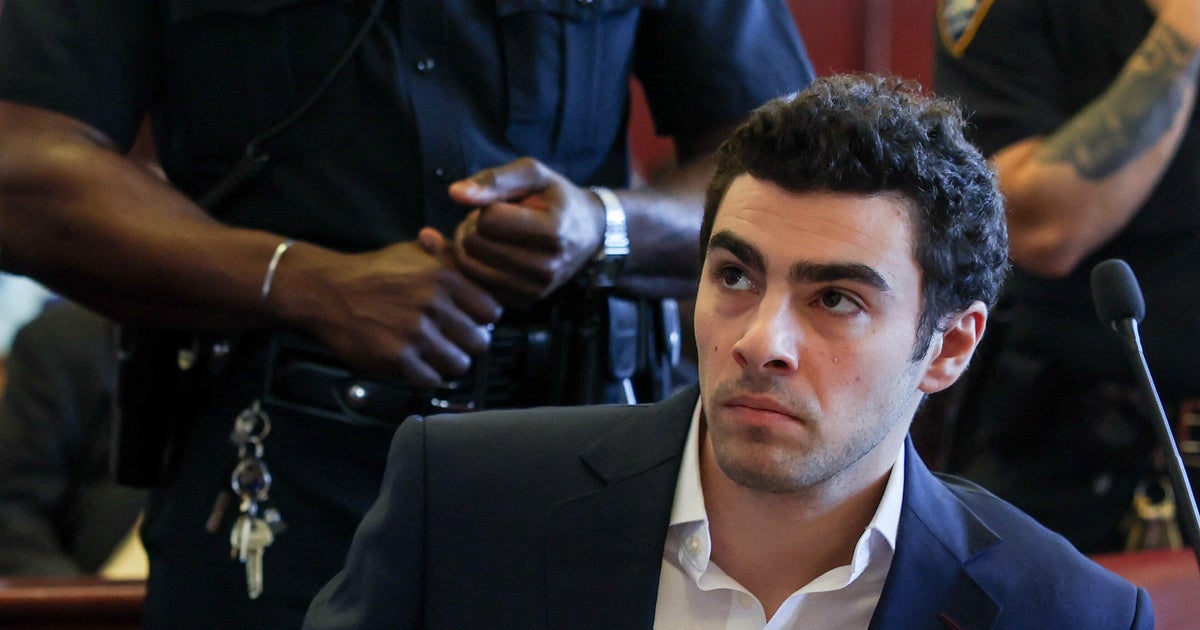
A New York judge ruled that a gun and notebook prosecutors link Luigi Mangione to the December 2024 killing of UnitedHealthcare CEO Brian Thompson can be used in his state trial, while other backpack evidence will be suppressed. The decision narrows but does not eliminate key prosecution evidence ahead of the delayed state trial, now set for Sept. 8. Mangione also faces federal charges, and the federal case previously allowed the backpack evidence.
The immediate market read is not about guilt or innocence; it is about the probability distribution of conviction quality. Preserving the gun and notebook materially strengthens the state case because those are the two items most likely to compress the narrative from circumstantial chaos into a coherent motive-and-means story, which tends to increase plea pressure and lower the chance of a prolonged evidentiary fight. That matters because once the defense loses suppression leverage, the case becomes less about procedure and more about the defendant’s exposure, shortening the path to resolution even if the headline trial date remains months away.
For healthcare, the second-order effect is reputational rather than cash-flow based. UnitedHealth and broader managed-care peers do not face direct financial contamination, but any renewed media cycle around CEO security, executive vulnerability, or labor/anger spillovers can keep a small overhang on sentiment and discount rates for leadership changes, M&A, and public-company governance. The more important knock-on is that boards at large-cap healthcare firms may accelerate spend on executive protection and crisis protocols, a low-dollar line item but a useful tell that the industry is treating this as a governance risk, not just a legal anomaly.
The legal sequencing is the real catalyst map: a split between state and federal evidentiary outcomes raises the odds that one venue becomes the pressure point for a plea or cooperation event. Over the next 1-3 months, watch for changes in trial posture, not just headlines; if the defense starts narrowing instead of fighting suppression, that is usually a sign the case is moving toward settlement logic. The contrarian read is that partial suppression is not a defense win if the remaining evidence is the most probative evidence; in high-salience criminal cases, losing the “ugly” but keeping the “essential” often hurts more than an all-or-nothing ruling.
AI-powered research, real-time alerts, and portfolio analytics for institutional investors.
Request DemoOverall Sentiment
neutral
Sentiment Score
-0.05
