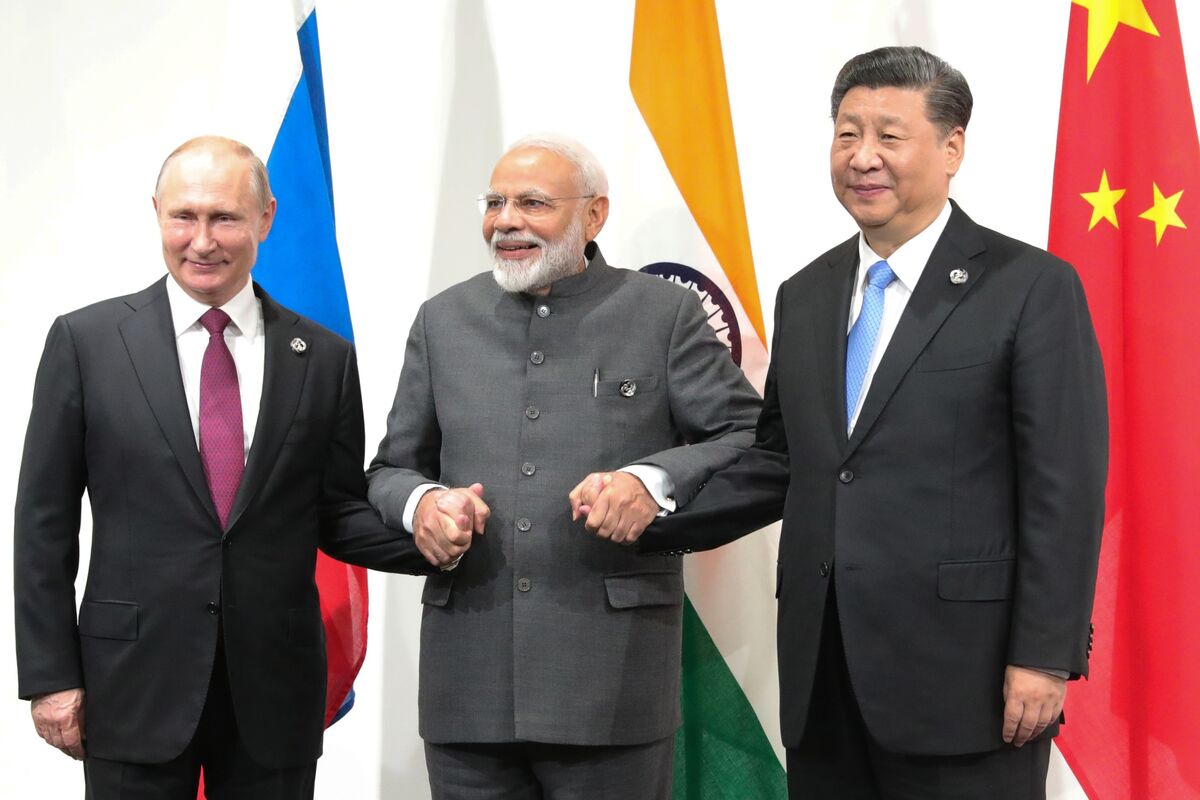
Indian Prime Minister Narendra Modi is actively strengthening ties with China and Russia, highlighted by an upcoming meeting with Vladimir Putin, signaling a significant geopolitical pivot. This comes as German Chancellor Friedrich Merz projects a prolonged war in Ukraine, contributing to ongoing global instability, while the UK's defense sector secured a substantial £10 billion contract with Norway's navy.
The current geopolitical landscape is marked by significant strategic realignments and persistent conflict, creating a mixed but impactful market environment. Indian Prime Minister Narendra Modi's meeting with Vladimir Putin, following a diplomatic reset with China, signals the strengthening of an economic and political bloc independent of Western influence. This maneuver suggests a long-term shift in global power dynamics. Concurrently, the assessment from German Chancellor Friedrich Merz that the war in Ukraine will drag on with no clear end reinforces expectations of sustained instability in Europe, likely impacting energy markets, supply chains, and regional security. In contrast, this heightened geopolitical tension is a direct catalyst for increased defense spending, underscored by the UK securing a substantial £10 billion naval contract from Norway. This deal provides a tangible data point confirming the robust outlook for the European defense sector as nations bolster their military capabilities in response to regional threats.
AI-powered research, real-time alerts, and portfolio analytics for institutional investors.
Request DemoOverall Sentiment
mixed
Sentiment Score
-0.10
