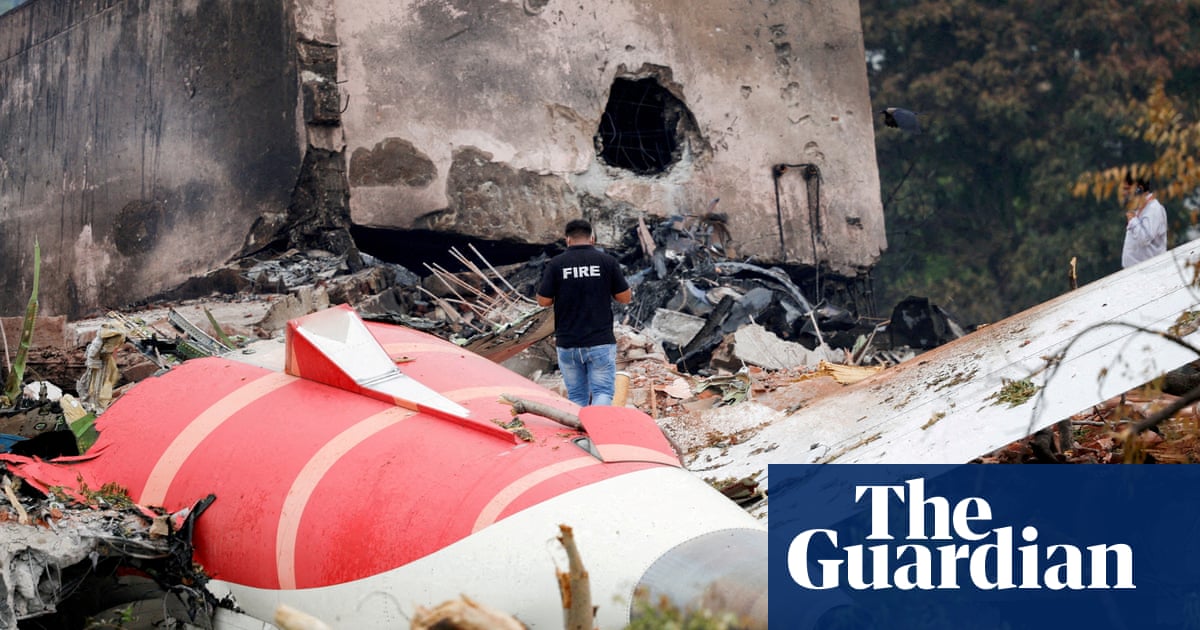
India's aviation regulator has mandated airlines inspect fuel switches on Boeing aircraft, particularly the 787 Dreamliner, following a preliminary report on the fatal Air India flight 171 crash that indicated both engines were starved of fuel shortly after takeoff, resulting in 260 fatalities. This directive, prompted by an ongoing investigation focusing on cockpit fuel switch actions amidst speculation of pilot error or potential faulty locking mechanisms, has led other airlines to initiate inspections and South Korea to prepare similar orders, signaling heightened regulatory scrutiny and operational concerns for Boeing's fleet globally.
India's Directorate General of Civil Aviation has mandated inspections of fuel switches on Boeing aircraft, a direct response to a preliminary report on the fatal Air India 787 Dreamliner crash which indicated both engines were starved of fuel. This regulatory action is gaining international traction, with South Korea preparing a similar order, signaling broadening scrutiny of Boeing's fleet. The investigation remains in its early stages with two competing theories: pilot action—supported by cockpit voice recordings—and mechanical failure of the fuel switch locking mechanisms. A 2018 FAA bulletin had previously recommended checks on these locks for multiple Boeing models but did not classify the issue as an "unsafe condition," adding complexity to the mechanical fault theory. While Air India's CEO urges caution against premature conclusions, the incident has created significant uncertainty and a moderately negative sentiment profile for Boeing (BA), placing its key 787 program under a microscope and posing a tangible risk of further operational and regulatory consequences pending the investigation's findings.
AI-powered research, real-time alerts, and portfolio analytics for institutional investors.
Overall Sentiment
moderately negative
Sentiment Score
-0.50
Ticker Sentiment
