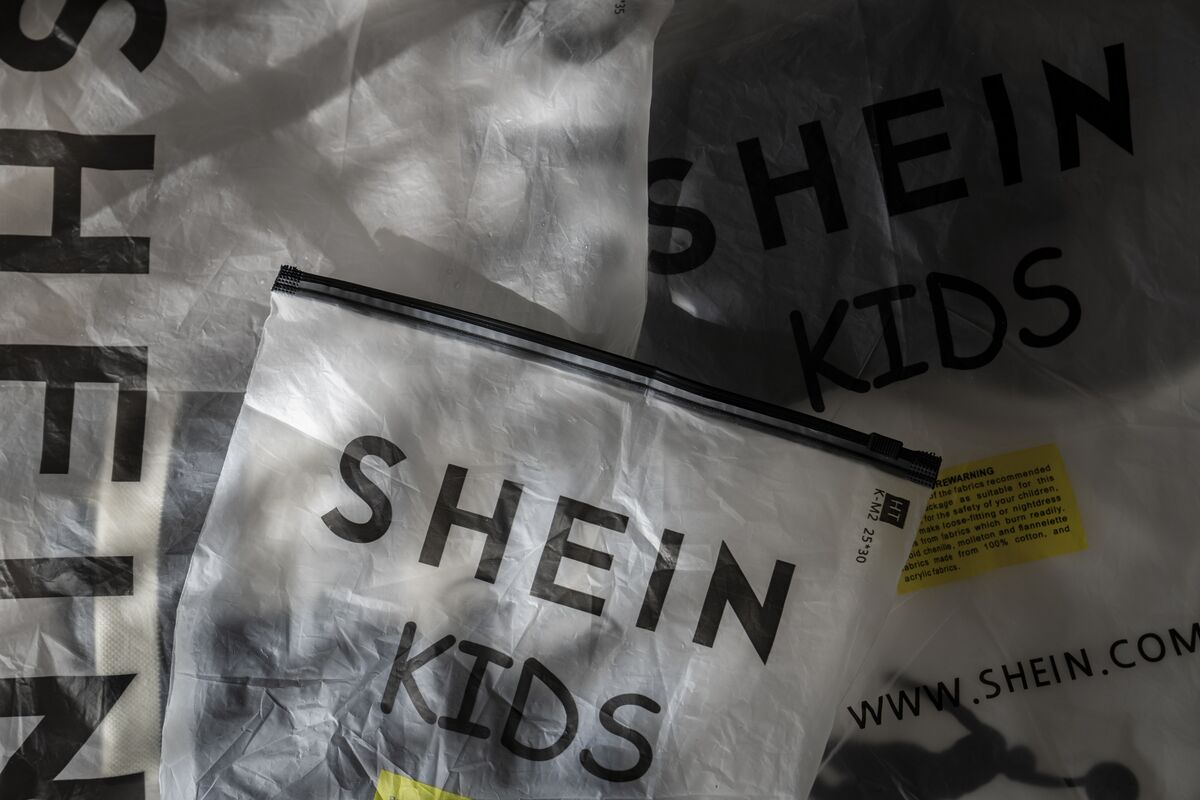
Chinese fast-fashion retailer Shein is expanding its physical presence in France, planning to open brick-and-mortar stores, including in former Galeries Lafayette locations. This market entry has been met with significant public and press outrage, reflecting broader concerns within France about the impact of Chinese competitiveness on its domestic economy.
Chinese fast-fashion e-tailer Shein is executing a strategic expansion from a pure-play online model to a physical retail presence in France, with plans to occupy spaces formerly held by the established department store Galeries Lafayette. This market entry is being met with significant public and media hostility, characterized in reports by terms such as 'outraged reactions' and 'Satanic metaphors,' reflecting deep-seated concerns over the impact of Chinese competition on the domestic economy. The moderately negative sentiment and pessimistic tone of the coverage suggest a prevailing view that France's economy may be ill-equipped to protect its local industries from such 'competitiveness shocks.' The development places the themes of antitrust, consumer demand, and trade policy at the forefront, highlighting the tension between the appeal of low-cost retail and national economic protectionism in a key European market.
AI-powered research, real-time alerts, and portfolio analytics for institutional investors.
Request DemoOverall Sentiment
moderately negative
Sentiment Score
-0.55
