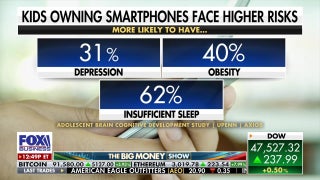
Hawaii filed a 106‑page lawsuit in its First Circuit against ByteDance alleging TikTok was engineered to be dangerously addictive—citing features like the For You feed, endless scroll and autoplay—and that the company misled the public and failed to protect children, despite internal records showing millions of U.S. users under 13 and a U.S. user base above 150 million. The complaint alleges inadequate age verification, parallels to gambling techniques that influence dopamine, and prior COPPA enforcement actions; the state seeks injunctive relief, stronger child safeguards and accurate risk disclosures, signaling heightened regulatory and litigation risk for TikTok and potential reputational and data/advertising revenue implications for ByteDance.
Market structure: Litigation raises regulatory compliance costs and reputational risk concentrated on ad-supported, youth-heavy platforms. Expect advertisers to reallocate 5–15% of incremental U.S. campaign spend away from channels flagged for child-harm risk, benefiting market-share leaders with older demographics (Alphabet GOOGL, Meta META) and enterprise ad buys; smaller/high-growth social names (SNAP, RBLX) face greater churn and CPM pressure.
Risk assessment: Tail risks include a federal ban/divestiture or multibillion-dollar COPPA-style fines (plausible loss magnitude: $1–5B for a major platform) and state-by-state restrictions creating patchwork access; probability medium but impact high over 6–24 months. Hidden dependencies: ad-tech measurement, identity graphs, and agency buying algorithms could transmit demand shock broadly, reducing sectorwide ad revenue growth by 2–6% year-over-year if major advertisers pause spend.
Trade implications: Tactical opportunities favor large-cap ad beneficiaries and privacy/security vendors: long GOOGL/META; short high-youth platforms (SNAP) and programmatic ad exchanges if guidance weakens. Use options to express asymmetric views — buy 3–6 month SNAP puts 15–25% OTM and sell covered call spreads on META/GOOGL to finance. Rebalance within 30–90 days based on state suits and Q4 ad guide revisions.
Contrarian angles: Consensus understates duration: precedent (Facebook post-2018) shows severe short-term political backlash often reverts in 6–12 months absent federal intervention, so forced-liquidation scenarios are tail events. If SNAP or RBLX drawdowns exceed 25% without fundamental ad-revenue misses, initiate value-weighted buys sized to mean-revert over 6–12 months; conversely, rising bipartisan federal action would flip these into multi-quarter shorts.
AI-powered research, real-time alerts, and portfolio analytics for institutional investors.
Request DemoOverall Sentiment
moderately negative
Sentiment Score
-0.35
