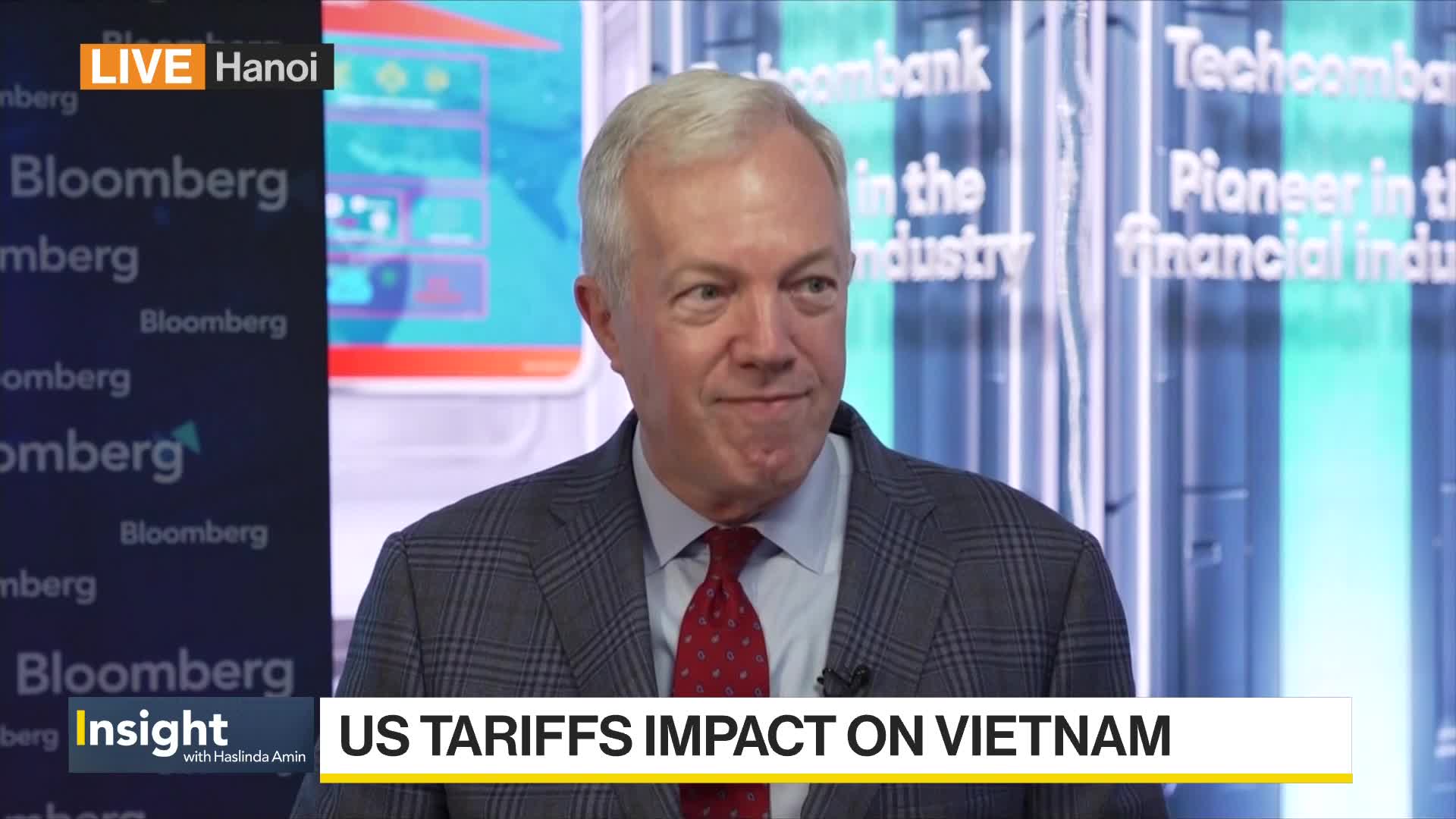
US-ASEAN Business Council President & CEO Ted Osius lauded Vietnam's "pragmatic" trade strategy, highlighting its wisdom as neighboring countries face potential higher tariffs if trade agreements are not reached by August 1. This endorsement, made at the Techcombank Investment Summit 2025, underscores Vietnam's strategic positioning amidst ongoing regional trade uncertainties.
A high-level endorsement from the US-ASEAN Business Council positions Vietnam favorably amidst regional trade uncertainties. The council's President, Ted Osius, described Vietnam's trade strategy as "pragmatic" and wise, directly contrasting its stability with the looming threat of higher tariffs for neighboring countries that fail to secure agreements by the August 1 deadline. This statement, made at the Techcombank Investment Summit 2025, signals to institutional investors that Vietnam has likely de-risked its trade relationships, particularly with the US, reinforcing its status as a reliable and strategic hub within emerging market supply chains. The positive sentiment underscores Vietnam's success in navigating complex geopolitical and trade policy landscapes, enhancing its appeal for foreign direct investment relative to its regional peers.
AI-powered research, real-time alerts, and portfolio analytics for institutional investors.
Request DemoOverall Sentiment
strongly positive
Sentiment Score
0.60
