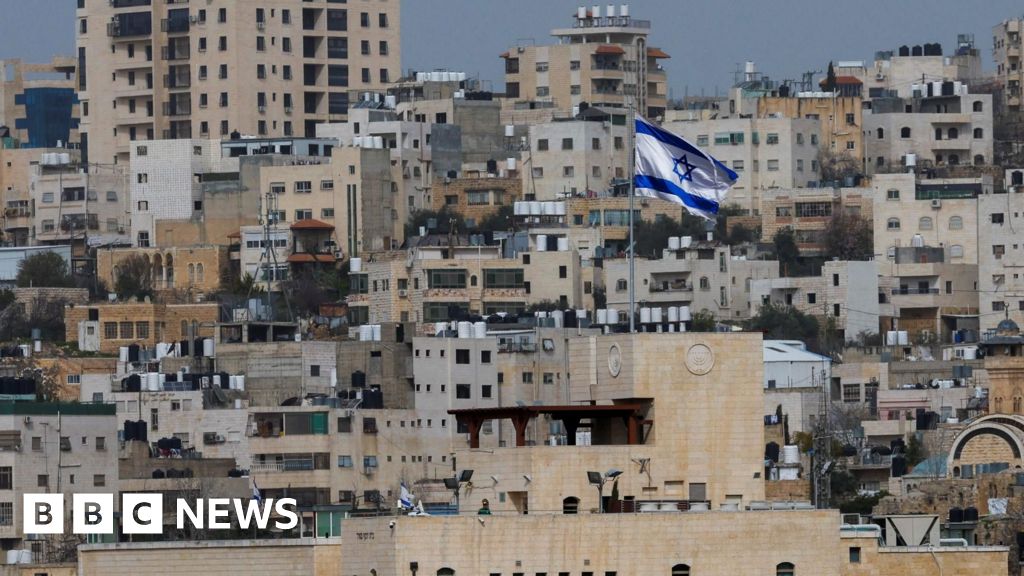
Israel's security cabinet approved sweeping legal changes expanding Israeli civilian authority in parts of the West Bank—transferring municipal powers into Israeli hands, granting broad authority over so-called heritage sites, taking planning control of Hebron's Cave of the Patriarchs and opening land ownership to private Israeli citizens. The moves override Oslo-era arrangements, weaken Palestinian Authority powers, risk exposing covert past property sales via land registry publication, and have drawn international condemnation, complicating US-backed regional diplomatic efforts and elevating geopolitical risk for investors with Middle East exposure.
Market structure: The legal empowerment of Israeli civilian authority in parts of the West Bank reallocates demand toward security, construction and sovereignty‑linked services (security contractors, heavy materials, mapping/registry tech) while compressing demand for Palestinian private real‑estate and local retail. Expect modest, sustained re‑rating for defense/security suppliers (+5–15% potential upside over 3–12 months if contracts accelerate) and persistent revenue downside for local Palestinian service providers; tourism and regional travel sectors see near‑term volume declines (weeks–months).
Risk assessment: Tail risks include escalation into a broader Israel–Hezbollah/Iran confrontation (assess probability ~5–15% over 12 months) that could spike Brent crude by 30–50% and VIX above 35; near term (days–weeks) anticipate elevated localized violence and headline risk. Hidden dependencies: US political posture, Gulf normalization incentives, and classified land‑registry disclosures that could trigger litigation and asset seizures (quarters horizon). Key catalysts: US/UK diplomatic sanctions, major settler violence, or coordinated regional military response.
Trade implications: Favor modest long exposure to prime defense names (LMT, NOC, GD) and traditional safe havens (GLD, TLT) as asymmetric hedges; use options to buy time (3‑month calls on VIX or 25‑delta puts on EM/Israel ETFs) rather than outright long commodity exposure unless escalation crosses objective thresholds (Brent > $95). Reduce cyclical travel/tourism and regional small‑cap Israeli real estate/financial exposure now — price action will be choppy for weeks but directional for quarters.
Contrarian angles: Consensus may overstate immediate oil shock; history (2014 Gaza flareups) shows geopolitical spikes often mean‑revert in 3–9 months, creating a window to fade panic. Defense multiples are elevated — use relative trades (long prime prime primes vs. short smaller defense or travel) and watch legal/litigation flows: publication of land registries could create multi‑year litigation liabilities for certain Israeli developers/banks, an underpriced structural risk.
AI-powered research, real-time alerts, and portfolio analytics for institutional investors.
Request DemoOverall Sentiment
moderately negative
Sentiment Score
-0.45
